 Oil-
Oil-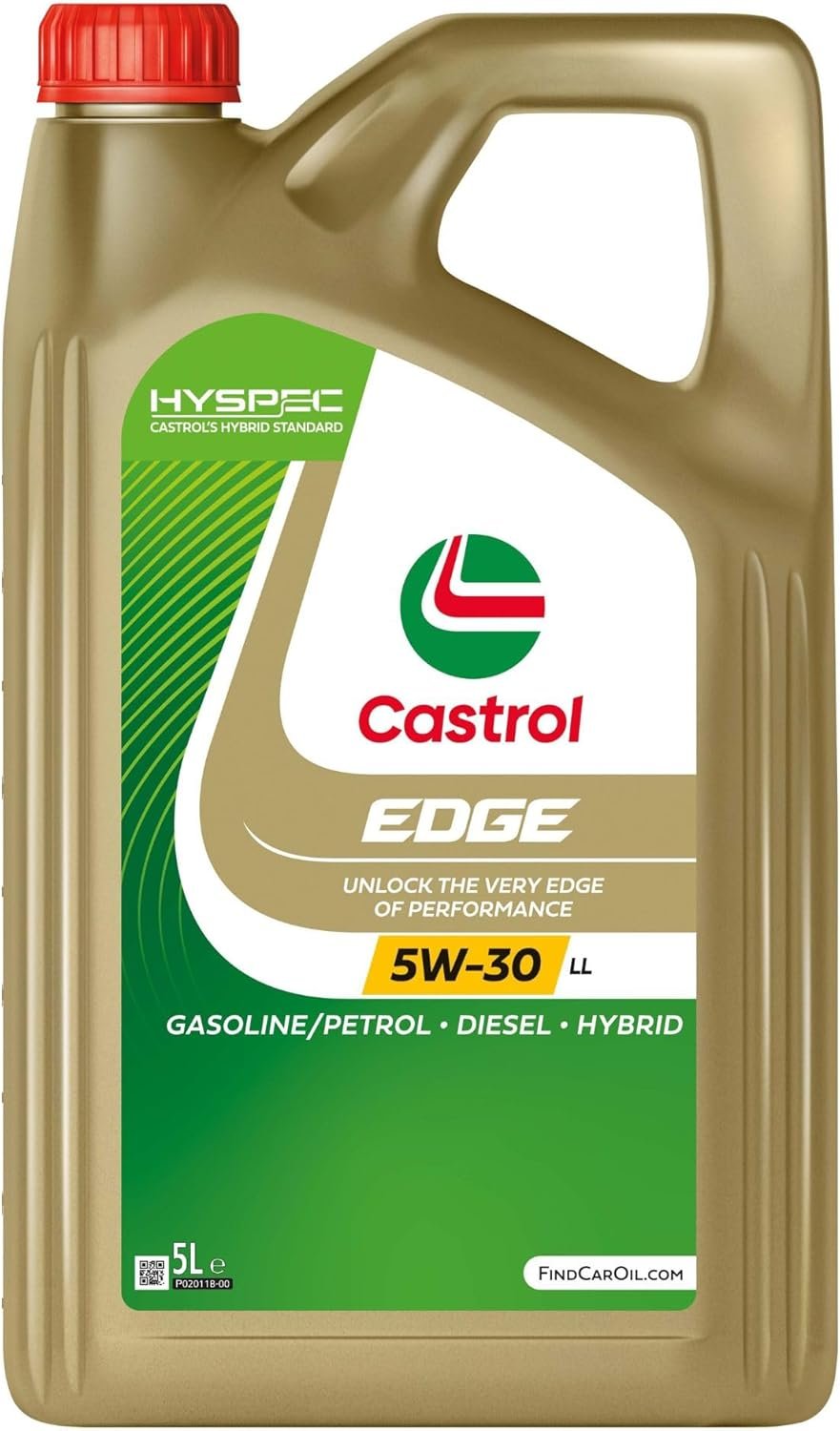
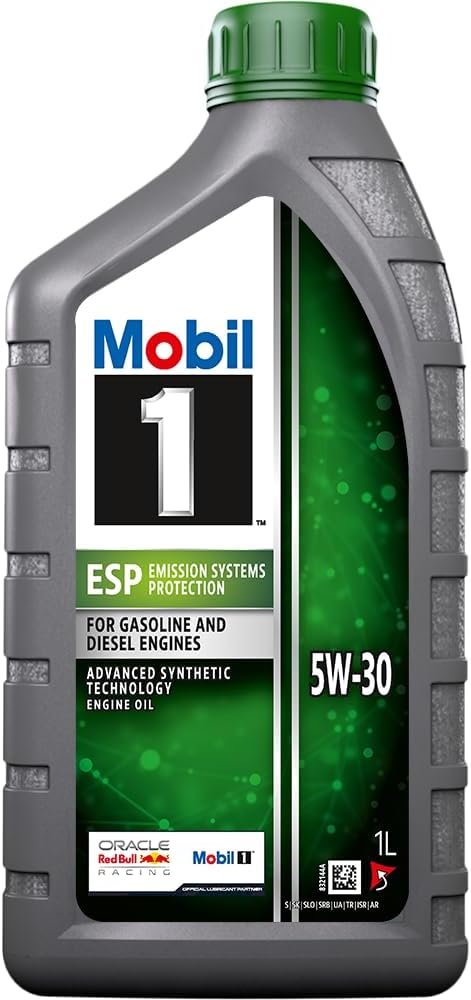
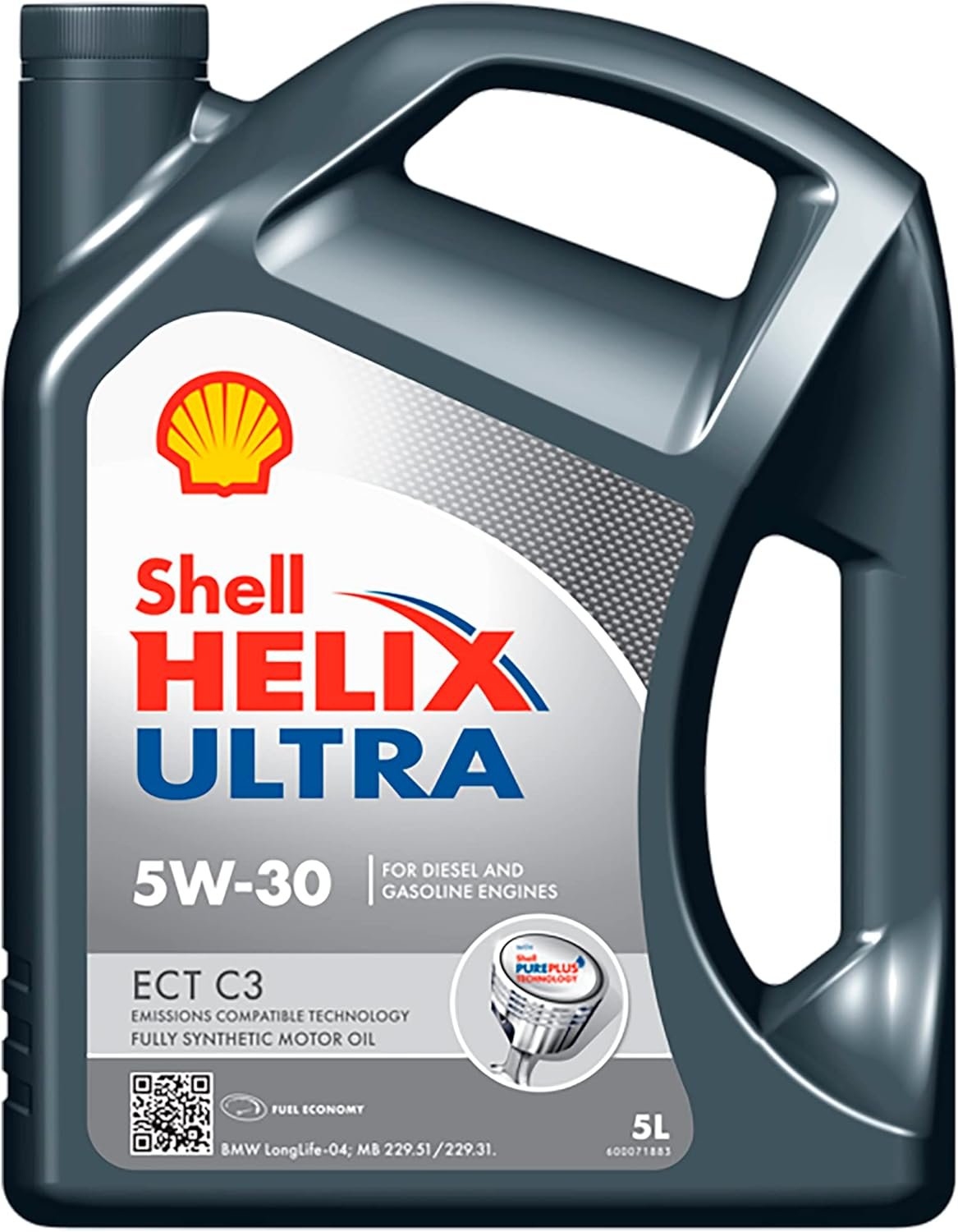
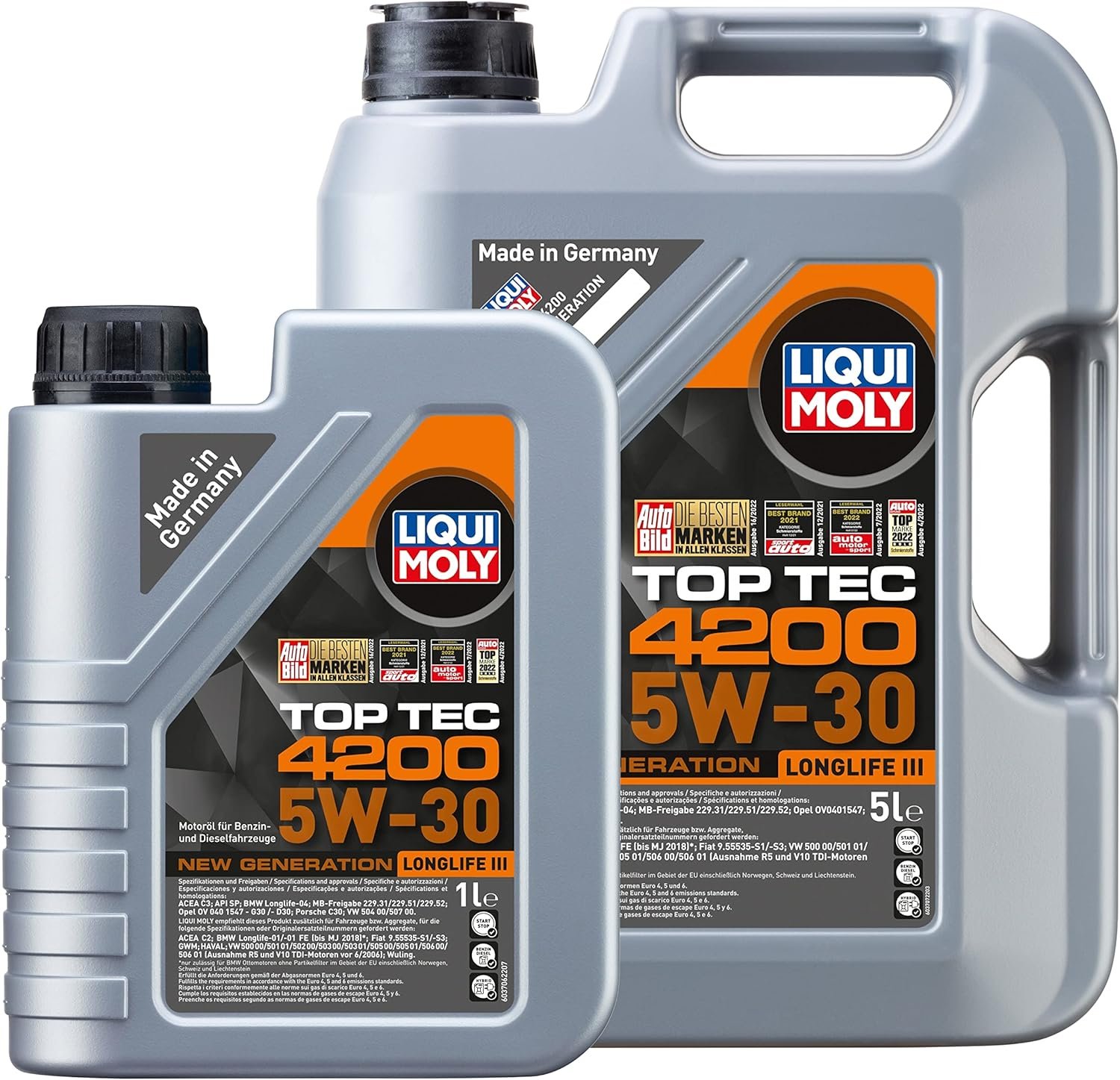
As an Amazon Associate, we may earn from qualifying purchases. This doesn't affect our recommendations — we only suggest oils that hold the exact OEM approval for your engine.
Best Engine Oil for Audi A4 B9 2.0 TFSI (150/190 HP)
The Audi A4 B9 2.0 TFSI brings the EA888 engine family to Audi’s executive saloon — a fundamentally different powerplant from the EA211 EVO found in smaller VW Group cars. The EA888 Gen3B is a 1,984cc four-cylinder turbocharged petrol engine with a timing chain, dual injection (direct and port), and a larger displacement that provides naturally smoother power delivery than the three-cylinder and small four-cylinder EA211 variants. Available as the DBPA (150 HP, 35 TFSI) and DKNA (190 HP, 40 TFSI), the 2.0 TFSI is the primary petrol choice for A4 buyers who prefer petrol refinement over diesel economy. Like the TDI variant, it sits longitudinally in the A4 to accommodate quattro drivetrain packaging. This guide covers what the EA888’s specific architecture demands from engine oil.
Quick Answer: Recommended Oil
For Audi A4 B9 2.0 TFSI (150/190 HP):
- Primary specification: VW 504 00 / 507 00 with SAE 5W-30
- Alternative: VW 508 00 / 509 00 with SAE 0W-20
- Oil capacity: 5.2 litres with filter (4.9 L without)
The EA888 Gen3B: A Different Engine Family
The EA888 is fundamentally different from the EA211 EVO found in the A1, Q3, and Golf. Understanding these differences explains the A4 2.0 TFSI’s unique oil requirements:
Timing Chain, Not Belt: The EA888 uses a timing chain located at the rear of the engine (flywheel end on longitudinal installations). This eliminates scheduled belt replacement but introduces a different maintenance concern. Earlier EA888 generations (Gen1 and Gen2) suffered documented timing chain tensioner failures that allowed chain skip under certain conditions. The Gen3B revision addressed this with a redesigned tensioner and updated chain material, but the issue has not been completely eliminated on high-mileage engines. Oil quality directly affects chain tensioner life — the tensioner operates hydraulically through oil pressure, and degraded oil with poor pressure maintenance can cause the tensioner to lose tension during cold starts.
Dual Injection System: The Gen3B uses both direct injection and port injection simultaneously. Direct injection provides precise fuel metering for efficiency and emissions, while port injection washes the intake valves with fuel, dramatically reducing the carbon buildup that plagues direct-injection-only engines. This dual system means the A4 2.0 TFSI is significantly less susceptible to intake valve carbon deposits than the EA211 EVO engines, which is a genuine engineering advantage.
Larger Displacement, Higher Capacity: At 1,984cc with a 5.2-litre oil capacity, the EA888 provides more thermal mass and more generous bearing clearances than the EA211. The larger displacement means the engine operates at lower relative load for any given driving condition, reducing oil stress.
Oil Consumption: The EA888’s Known Weakness
The EA888 family has a documented oil consumption issue that spans multiple generations. VW Group considers up to 0.5 litres per 1,000 miles “acceptable” for the EA888 — a figure that many owners consider excessive for a modern engine.
The root cause is the piston ring design. The EA888 uses relatively thin piston rings for reduced friction, and the oil scraper ring’s drain holes can become clogged with carbon deposits from combustion, allowing oil to pass into the combustion chamber and burn. The Gen3B improved this with revised ring geometry and drain hole sizing, but consumption remains higher than many competitors.
For A4 owners, the practical implications are:
- Check the oil level monthly, not just at service intervals
- Keep a litre of approved oil in the boot for top-ups
- If consumption exceeds 0.5 litres per 1,000 miles, have the piston rings inspected
- The 5.2-litre capacity provides more margin than smaller EA888 applications, but monitoring is still essential
VW 504 00-approved oils are formulated with additive packages that minimise carbon deposit formation on the piston rings, directly addressing the consumption mechanism. Non-approved oils with different detergent and dispersant chemistries may accelerate ring clogging.
Longitudinal Mounting and Turbo Position
Like the A4 TDI, the 2.0 TFSI sits longitudinally with the turbocharger positioned at the rear of the engine, close to the firewall. Petrol exhaust temperatures are higher than diesel (up to 950°C at the turbine inlet under full load), making turbo oil coking an even greater concern on the TFSI than the TDI.
After sustained high-speed driving or spirited use, allow 30-60 seconds of idle time before switching off. This allows the turbo to slow down and the oil to carry residual heat away from the bearing housing. Modern turbo timer systems fitted to some A4 variants automate this with an electric coolant pump, but the oil-side protection still benefits from a brief idle.
Technical Specifications: 2.0 TFSI EA888 Gen3B
| Specification | Value |
|---|---|
| Displacement | 1,984cc (2.0 litres) |
| Layout | Inline-4, longitudinal, aluminium block and head |
| Valvetrain | DOHC, 16 valves |
| Timing System | Timing chain (rear-mounted) |
| Injection | Dual: direct injection + port injection |
| Turbocharger | Single, integrated exhaust manifold |
| Power | 150 HP (DBPA) / 190 HP (DKNA) |
| Torque | 270 Nm (DBPA) / 320 Nm (DKNA) |
| Fuel Type | Petrol, 95 RON minimum |
| Recommended Viscosity | SAE 5W-30 / SAE 0W-20 |
| Oil Capacity (without filter) | 4.9 litres |
| Oil Capacity (with filter) | 5.2 litres |
| ACEA Norm | C3 |
| VW Norm | VW 504 00 / 507 00 |
Best Value: Total Quartz INEO LongLife 5W-30 Reliable VW-approved protection at competitive pricing. Good availability for top-ups between services. At £32-38 for 5 litres.
Oil Change Intervals
Audi Official Recommendation:
- LongLife: up to 18,600 miles or 24 months
- Fixed: 9,300 miles or 12 months
Recommended Practice: 9,000-10,000 miles or 12 months.
The EA888’s oil consumption means the oil that is consumed is continuously replaced with fresh top-up oil, which partially refreshes the additive package. However, the base oil and the majority of additives are not refreshed by top-ups alone. Fixed-interval servicing ensures a complete oil system renewal.
Conclusion
The Audi A4 B9 2.0 TFSI requires SAE 5W-30 (or 0W-20) engine oil meeting VW 504 00 / 507 00, with a capacity of 5.2 litres including the filter. The EA888 Gen3B is a refined, powerful engine with dual injection that eliminates the carbon buildup plaguing direct-injection-only engines, but its documented oil consumption requires regular level monitoring.
Castrol EDGE Professional LL IV FE 0W-20 is the factory partner’s latest recommendation. Check the oil monthly, allow idle time after spirited driving, and use fixed-interval servicing. The A4 2.0 TFSI delivers smooth, refined performance that justifies its premium positioning — it simply asks for quality oil and attentive monitoring in return.
Our Top Picks
As an Amazon Associate, we may earn from qualifying purchases. This doesn't affect our recommendations — we only suggest oils that hold the exact OEM approval for your engine.