 Oil-
Oil-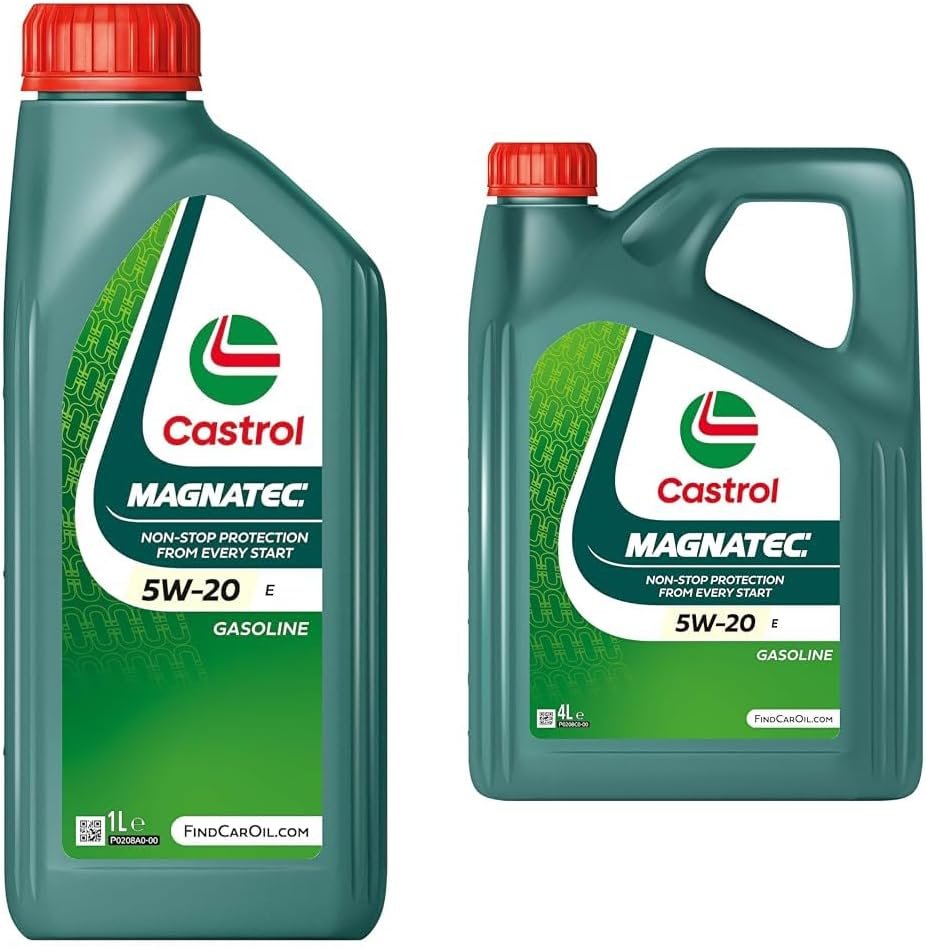
As an Amazon Associate, we may earn from qualifying purchases. This doesn't affect our recommendations — we only suggest oils that hold the exact OEM approval for your engine.
Best Engine Oil for Ford Focus Mk3 1.0 EcoBoost (100/125 HP)
The Ford Focus Mk3 was the first Focus generation to receive the 1.0 EcoBoost three-cylinder turbo, and it transformed the car from a competent family hatchback into a genuinely efficient one. Between 2012 and 2018, hundreds of thousands of Focus Mk3 buyers chose the 1.0 EcoBoost in either 100 HP or 125 HP form, drawn by the promise of sub-120 g/km CO2 and real-world economy approaching 50 mpg. What many did not realise at the time is that every single Focus Mk3 1.0 EcoBoost uses a wet timing belt submerged in engine oil, and this single design choice makes oil selection a matter of engine survival rather than preference. There is no chain variant in the Mk3. If your Focus is a Mk3 with the 1.0 EcoBoost badge, it has the wet belt.
Quick Answer: Recommended Oil
For Focus Mk3 1.0 EcoBoost (100/125 HP), engine codes M1DA / M1DC:
- Primary specification: Ford WSS-M2C948-B with SAE 5W-20
- ACEA norm: C2
- Oil capacity: 4.6 litres with filter (4.3 L without)
WSS-M2C948-B is mandatory. This Ford specification governs additive chemistry and low-HTHS viscosity specifically to protect the wet timing belt rubber. Generic 5W-20 or any oil without this exact approval risks belt degradation and catastrophic engine failure.
The M1DA/M1DC Engine: Brilliant but Vulnerable
The 1.0 EcoBoost arrived in the Focus Mk3 range from 2012, offered as the M1DA (100 HP) and the M1DC (125 HP). Both share the same 999cc inline-three architecture with an aluminium block, DOHC 12-valve head, direct fuel injection, and a twin-scroll turbocharger with an exhaust manifold integrated directly into the cylinder head. Split cooling separates the head and block thermal circuits, allowing the block to warm faster and reduce friction. An offset crankshaft and balance shaft manage the inherent vibration of a three-cylinder layout.
This engine won the International Engine of the Year award six times running. The engineering is genuinely impressive. But the defining feature of the Mk3 installation is that every unit uses the wet timing belt. Unlike the later Focus Mk4, which transitioned to a timing chain from mid-2018, the Mk3 was produced entirely within the wet belt era. There is no identifying or checking needed: if you own a Focus Mk3 1.0 EcoBoost, you have a wet belt engine.
The Wet Belt: How It Fails and Why Oil Matters
The wet timing belt runs fully submerged in engine oil inside the front of the engine. Ford’s original design intent was that the oil would lubricate and cool the belt, eliminating scheduled replacement entirely. The initial claim was a belt life of 240,000 km. Real-world experience has been dramatically different.
The rubber belt compound must remain chemically stable while permanently immersed in hot, pressurised engine oil. When the oil’s additive chemistry is incompatible, or when the oil degrades past its service limits, the belt material swells, cracks, and begins shedding rubber particles into the sump. These fragments accumulate in the oil pickup strainer and clog the oil pump, progressively starving the engine of lubrication. The failure is not gradual: the oil pressure warning light illuminates, and within seconds the bearings are damaged beyond repair. By the time the light comes on, it is too late.
Real-world belt failures typically occur between 60,000 and 100,000 miles. Ford revised its position and now recommends belt inspection and replacement between 100,000 and 150,000 miles, but many specialist garages have seen failures well before that threshold, particularly in cars serviced with incorrect oil or extended intervals.
Cold-start rattle is the early warning. A brief mechanical rattling noise in the first one to three seconds after a cold start indicates the belt tensioner is struggling to take up slack in a stretching belt. This is not normal. It means belt material is degrading and the engine needs specialist inspection immediately.
Understanding Ford WSS-M2C948-B
Ford developed the WSS-M2C948-B specification specifically for the EcoBoost wet belt engine family. It is not a generic performance standard. The specification mandates a precise additive formulation and a low-HTHS (High Temperature High Shear) viscosity profile at SAE 5W-20 that simultaneously protects the belt rubber compound, maintains adequate film strength for the turbocharger bearings, and manages the ACEA C2 low-ash requirements for exhaust aftertreatment protection.
The critical point is that viscosity alone does not make an oil safe for this engine. Two different 5W-20 oils can have entirely different additive packages, and only those carrying explicit WSS-M2C948-B approval have been tested for belt rubber compatibility. A premium fully synthetic 5W-30 or 5W-40 without this approval is more dangerous to the wet belt than a budget 5W-20 that holds the correct certification. Always verify the Ford specification number on the bottle before purchasing.
Technical Specifications: 1.0 EcoBoost (M1DA / M1DC)
| Specification | Value |
|---|---|
| Displacement | 999cc (1.0 litre) |
| Layout | Inline-3, transverse, aluminium block and head |
| Valvetrain | DOHC, 12 valves |
| Timing System | Wet belt (all Mk3 units) |
| Turbocharger | Twin-scroll, integrated exhaust manifold |
| Power | 100 HP (M1DA) / 125 HP (M1DC) @ 6,000 RPM |
| Torque | 170 Nm (M1DA) / 200 Nm (M1DC) @ 1,400-4,500 RPM |
| Fuel Type | Petrol, 95 RON minimum |
| Recommended Viscosity | SAE 5W-20 |
| Oil Capacity (without filter) | 4.3 litres |
| Oil Capacity (with filter) | 4.6 litres |
| ACEA Norm | C2 |
| Ford Norm | WSS-M2C948-B |
Oil Change Intervals
Ford Official Recommendation:
- Standard service: 12,500 miles or 1 year
Recommended Practice: 8,000-10,000 miles or annually, whichever comes first.
The 1.0 EcoBoost’s direct injection system is prone to fuel dilution during cold starts and short journeys. Unburned fuel washes past the piston rings and accumulates in the sump, thinning the oil below its designed 5W-20 viscosity. If the oil level rises above the maximum mark on the dipstick, fuel is accumulating and the oil needs changing regardless of mileage.
Consider 6,000-mile intervals if:
- Predominantly short urban trips under 10 miles
- Frequent cold starts without reaching full operating temperature
- Vehicle has covered over 60,000 miles
- Oil level rises on the dipstick (fuel dilution)
- Unknown service history from a previous owner
When draining the oil, inspect it for rubber debris or a gritty texture. Dark particles on the drain plug magnet or in the filter may indicate belt degradation and warrant immediate specialist inspection.
Common Focus Mk3 1.0 EcoBoost Problems Related to Oil
Wet belt degradation is the primary risk and has been covered in detail above. Every maintenance decision either protects or threatens this component.
Coolant hose and degas pipe failures affected 2011-2013 production Focus Mk3 models. The plastic thermostat housing and degas pipe crack under thermal cycling, causing slow coolant loss that leads to overheating. Ford acknowledged the severity of this issue and funded repairs for affected vehicles. Overheating accelerates oil degradation, which in turn accelerates belt deterioration. A single overheating event can trigger a chain of failures that destroys the engine weeks later. If you own an early Mk3 1.0 EcoBoost, ensure these components have been replaced with updated parts.
Oil dilution from city driving compounds the belt risk. Thinned oil changes its chemical interaction with the belt rubber and reduces bearing protection simultaneously. Urban drivers should treat shortened oil change intervals as essential, not optional.
Conclusion
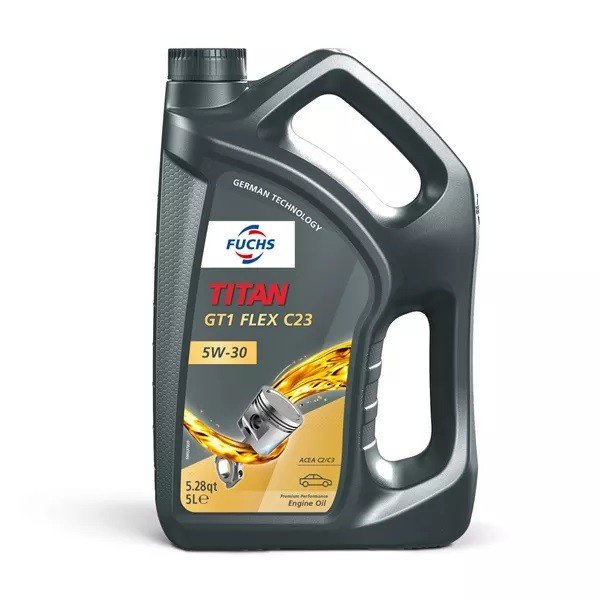
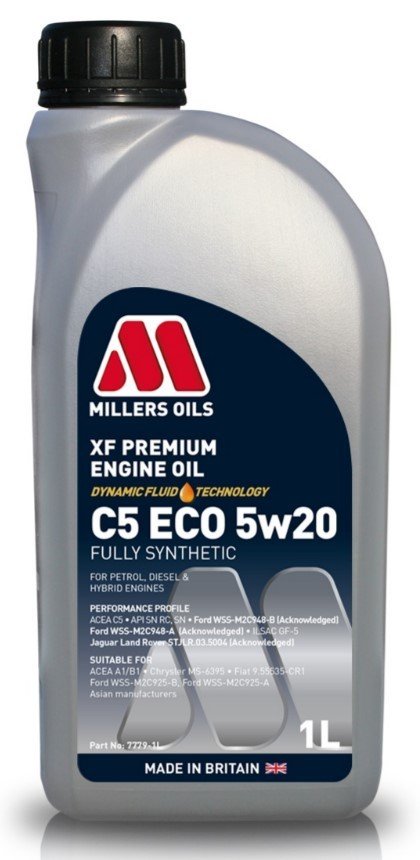
The Ford Focus Mk3 1.0 EcoBoost is an excellent engine that demands disciplined maintenance. Every Mk3 unit has the wet timing belt, and every Mk3 unit depends on WSS-M2C948-B approved SAE 5W-20 oil to keep that belt intact. Use Ford Castrol Magnatec Professional E 5W-20 as the default, with Mobil 1 ESP x2, Fuchs Titan GT1 Pro V, or Millers Oils XF Premium as fully approved alternatives. Change the oil at 8,000-10,000 miles maximum, check the dipstick monthly for fuel dilution, and never allow a garage to substitute generic oil regardless of its price or brand. The £30-50 per year spent on correct oil is trivial compared to an engine replacement that the wet belt will demand if neglected.
Our Top Picks
As an Amazon Associate, we may earn from qualifying purchases. This doesn't affect our recommendations — we only suggest oils that hold the exact OEM approval for your engine.