 Oil-
Oil-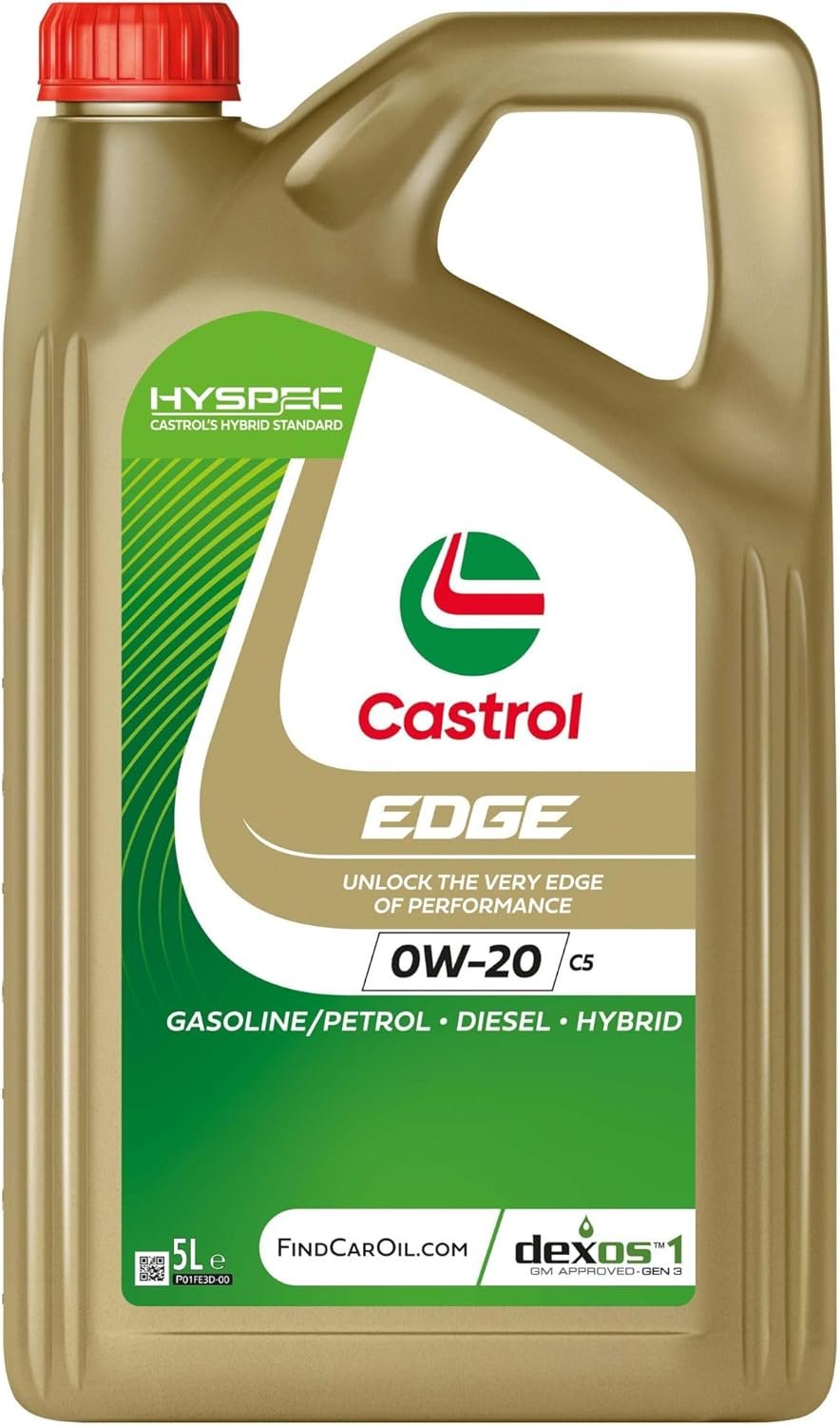
As an Amazon Associate, we may earn from qualifying purchases. This doesn't affect our recommendations — we only suggest oils that hold the exact OEM approval for your engine.
Best Engine Oil for Hyundai Santa Fe TM 2.5 Turbo GDi (281 HP) — G4KN-T
The fourth-generation Hyundai Santa Fe TM (2021+) with the 2.5-liter Smartstream Turbo GDi delivers 281 horsepower and 311 lb-ft of torque from a turbocharged, direct-injected inline four-cylinder — figures that would have required a V6 only a decade ago. That performance demands strict adherence to the correct oil specification. Fuel dilution, carbon buildup, a turbo oil supply pipe recall, and drastically revised service intervals make this engine one where cutting corners on lubrication is genuinely dangerous. This guide covers oil selection, capacity, and the specific failure modes every US owner must understand.
Quick Answer: Recommended Oil
For Hyundai Santa Fe TM 2.5 Turbo GDi (281 HP, G4KN-T):
- Specification: API SP / ILSAC GF-6A
- Viscosity: SAE 0W-20
- Oil capacity: 6.1 quarts with filter (5.8 quarts without)
Critical: Only use 0W-20 full synthetic meeting API SP or ILSAC GF-6A. The G4KN-T’s bearing clearances, turbocharger oil circuit, and direct injection system are calibrated around this viscosity. Do not use 5W-20 or 5W-30 — thicker oil extends warm-up time, worsens fuel dilution, and increases parasitic friction.
The Smartstream 2.5T Engine
The G4KN-T is a 2,497cc turbocharged inline four-cylinder from Hyundai’s Smartstream family. It shares its basic architecture with the naturally aspirated 2.5 MPI in the Tucson and Sonata, but adds a twin-scroll turbocharger, high-pressure direct injection at up to 350 bar, continuously variable valve duration (CVVD) on the intake side, and a forged steel crankshaft. The result is 281 horsepower at 5,800 RPM and 311 lb-ft of torque from 1,700 to 4,000 RPM, paired with an 8-speed dual-clutch transmission.
CVVD is the headline technology. Unlike conventional variable valve timing that only adjusts when the valves open and close, CVVD controls how long they stay open, allowing the engine to optimize between Atkinson and Otto cycles on the fly. The system depends on precise oil pressure and viscosity for accurate hydraulic actuation — degraded or incorrect oil directly impacts CVVD response time.
The twin-scroll turbocharger separates exhaust pulses into dedicated scroll passages, reducing lag and improving transient response. Its shaft bearings spin at speeds exceeding 200,000 RPM and are lubricated exclusively by engine oil fed through a dedicated supply pipe — a component that has been the subject of a recall.
Understanding the Oil Specification
API SP is the current top-tier gasoline engine oil classification, introduced in 2020. It includes enhanced protection against low-speed pre-ignition (LSPI), which is critical for turbocharged direct-injection engines like the G4KN-T. LSPI occurs when the fuel-air mixture ignites before the spark plug fires under high-load, low-RPM conditions, and a single event can destroy a piston. API SP oils use reformulated additive chemistry that dramatically lowers LSPI frequency, along with improved oxidation resistance — especially important for the G4KN-T because fuel dilution accelerates oil degradation between changes.
Hyundai does not publish a proprietary oil norm like VW or BMW. The requirement is simply API SP (or SN Plus minimum) in SAE 0W-20. Any full synthetic 0W-20 displaying the API SP donut and ILSAC GF-6A starburst on the bottle meets the specification.
Technical Specifications: 2.5 Turbo GDi (G4KN-T)
| Specification | Value |
|---|---|
| Displacement | 2,497cc (2.5 liters) |
| Layout | Inline-4, transverse, aluminum block and head |
| Valvetrain | DOHC, 16 valves, CVVD (intake), CVVT (exhaust), timing chain |
| Turbocharger | Twin-scroll, electronically controlled wastegate |
| Injection | High-pressure direct injection (up to 350 bar) |
| Power | 281 HP @ 5,800 RPM |
| Torque | 311 lb-ft @ 1,700-4,000 RPM |
| Compression Ratio | 10.5:1 |
| Fuel Type | Regular unleaded (87 octane minimum, 91 recommended) |
| Recommended Viscosity | SAE 0W-20 |
| Oil Capacity (without filter) | 5.8 quarts (5.5 liters) |
| Oil Capacity (with filter) | 6.1 quarts (5.8 liters) |
| Oil Specification | API SP / ILSAC GF-6A |
| Timing | Chain (lifetime, no scheduled replacement) |
Best Value: Valvoline Advanced Full Synthetic 0W-20 Valvoline’s full synthetic meets API SP and ILSAC GF-6A with a well-balanced additive package at a consistently lower price point. Widely available at Walmart, AutoZone, O’Reilly, and Amazon for $23-27 for 5 quarts. A practical choice that sacrifices nothing in specification compliance while keeping per-change costs under $55 for the full 6.1 quarts.
Oil Change Intervals
Hyundai Original Recommendation: 7,500 miles or 12 months (later revised)
Hyundai Revised Recommendation: 6,000 miles or 6 months
Recommended Practice: 5,000 to 6,000 miles or every 6 months, whichever comes first.
Hyundai quietly reduced the interval from 7,500 miles to 6,000 miles through updated owner’s manual guidance and technical service bulletins. Many owners still follow the original schedule without realizing it has been superseded. The revision reflects real-world data on fuel dilution severity in turbocharged direct-injection engines under typical US driving patterns.
For owners who drive primarily short trips, in stop-and-go traffic, in extreme heat, or who tow regularly, 5,000 miles is the safer target. At $50-55 per oil change with quality synthetic, the cost difference is trivial compared to turbocharger or engine bearing replacement.
Why Correct Oil Matters for the 2.5T
The G4KN-T places unusually high demands on engine oil across multiple systems simultaneously. The twin-scroll turbocharger reaches oil temperatures exceeding 300 degrees F during sustained highway driving or towing, and the oil must maintain film strength at these extremes to prevent bearing scuffing. The CVVD system uses oil pressure to actuate valve duration changes — if viscosity drops due to fuel dilution or thermal breakdown, CVVD response becomes sluggish and the ECU cannot optimize valve timing.
The forged crankshaft’s main and rod bearings are clearanced for 0W-20 at operating temperature. Running thinner oil due to fuel dilution or thicker oil by choosing the wrong grade both compromise the hydrodynamic film protecting these surfaces. Fresh 0W-20 with strong base stock integrity resists the thinning effect of fuel contamination far better than conventional or semi-synthetic alternatives.
Common G4KN-T Problems Related to Oil
Fuel Dilution
Gasoline contaminates the engine oil during cold starts and short trips when the direct injectors spray fuel onto cylinder walls that have not yet reached operating temperature. The fuel washes past the piston rings into the crankcase, raising the oil level while thinning viscosity and degrading the additive package. Owners report a gasoline smell on the dipstick and oil levels that rise rather than fall between changes. Check the dipstick every 1,000 miles — if the level has risen above the maximum mark or the oil smells of fuel, change it immediately regardless of mileage.
Carbon Buildup on Intake Valves
Because the G4KN-T uses direct injection exclusively, fuel never washes the intake valves. Carbon deposits accumulate on the valve tulips and ports over time. After roughly 30,000 to 40,000 miles, buildup restricts airflow enough to cause rough idle, hesitation, and measurable power loss. Walnut blasting is the only effective removal method once deposits are established. Shorter oil change intervals reduce blow-by gases carrying deposit-forming compounds past the PCV system.
Turbo Oil Supply Pipe Recall
Hyundai issued a recall affecting certain 2021-2022 Santa Fe models due to an insufficiently thick turbo oil supply pipe. The original wall thickness was inadequate for sustained pressure and temperature cycling, leading to cracking and oil leaks. A leaking supply pipe starves the turbo bearings within seconds, causing catastrophic failure and sending metal debris into the engine. Verify with your dealer that this recall has been completed. The replacement pipe uses thicker material and revised fittings.
Silently Revised Pistons
Hyundai revised the piston design during production without formal announcement. The updated pistons feature doubled oil drain holes — twice as many passages allowing oil to drain back from behind the piston rings to the crankcase, improving ring seal and reducing fuel dilution. Early-production 2021 models may have the original design. There is no way to verify which revision is installed without disassembly, making adherence to the 6,000-mile interval especially important for early vehicles.
Conclusion
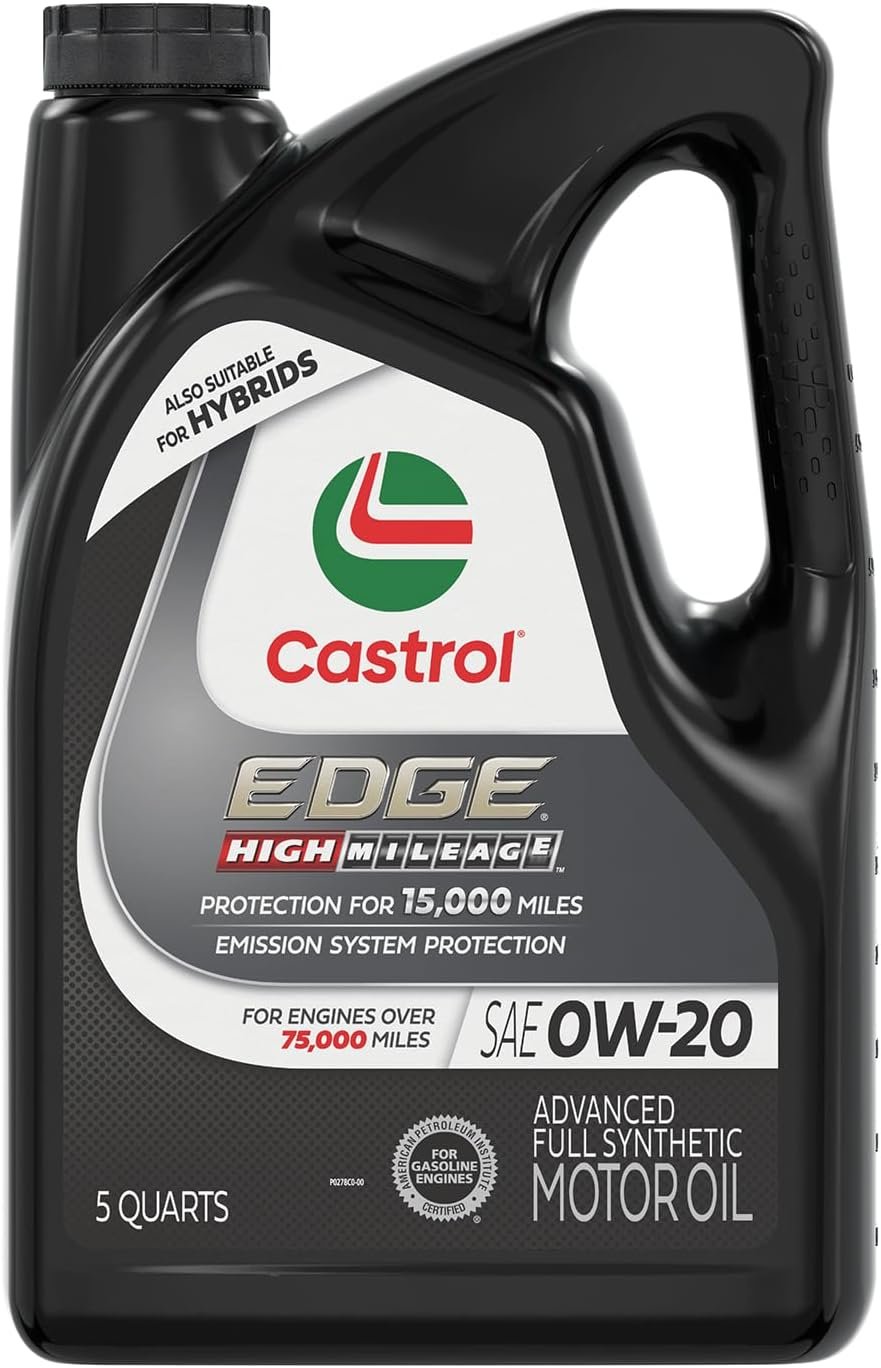
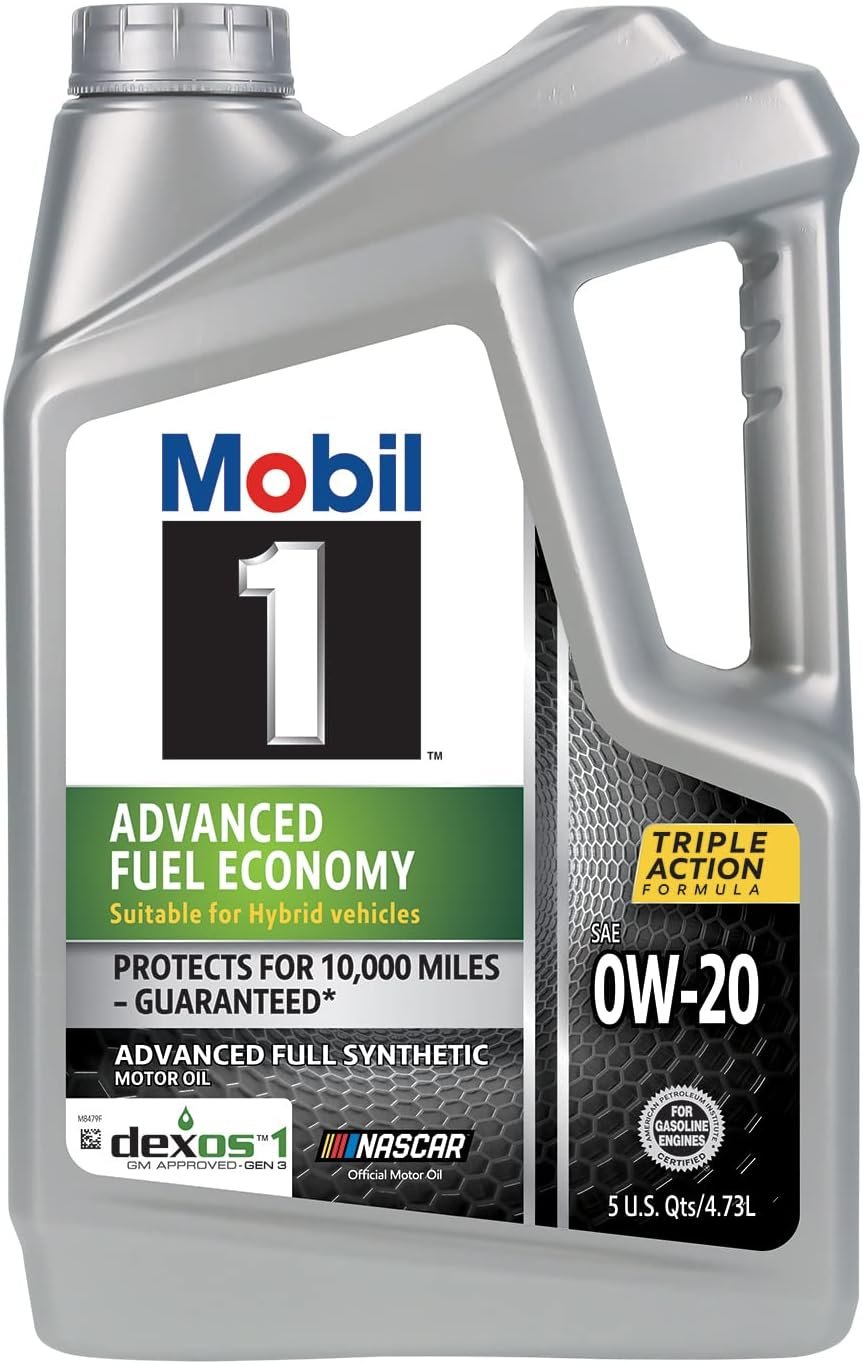
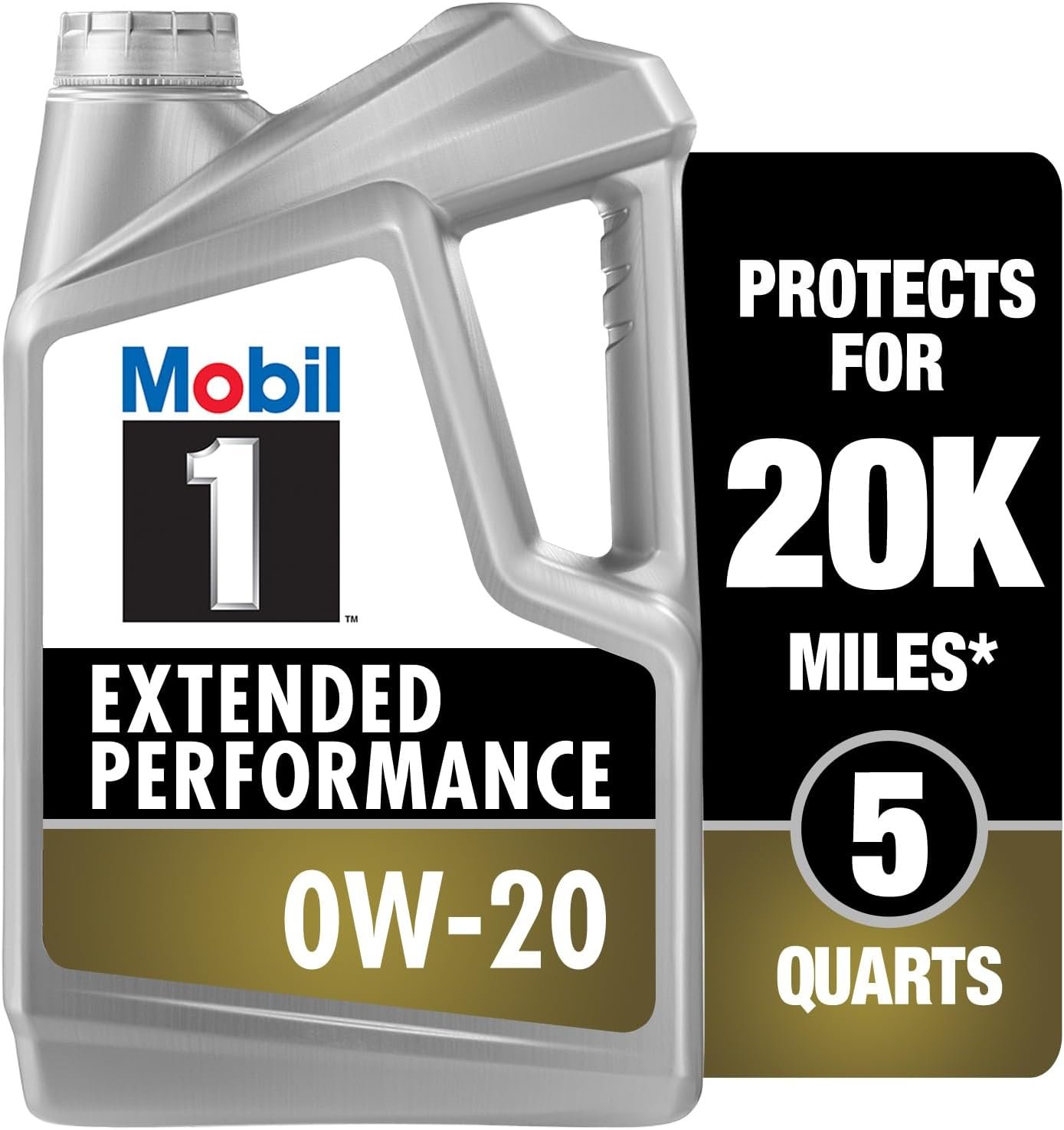
The Hyundai Santa Fe TM 2.5 Turbo GDi (G4KN-T) requires 6.1 quarts of API SP / ILSAC GF-6A compliant SAE 0W-20 full synthetic engine oil at every service. Use Hyundai Genuine 0W-20, Mobil 1 Advanced Fuel Economy, Pennzoil Ultra Platinum, or Valvoline Advanced Full Synthetic — all in 0W-20 and all meeting API SP.
Change the oil every 5,000 to 6,000 miles, not the older 7,500-mile schedule. Check the dipstick every 1,000 miles for rising levels and gasoline smell indicating fuel dilution. Confirm with your dealer that the turbo oil supply pipe recall has been completed. The G4KN-T shares its Smartstream family with the Tucson 2.5, but the turbocharger, 350-bar direct injection, and CVVD add failure points the naturally aspirated variant does not have. Owners who respect the specification and maintain disciplined intervals will see reliable service from an engine that delivers genuine performance.
Our Top Picks
As an Amazon Associate, we may earn from qualifying purchases. This doesn't affect our recommendations — we only suggest oils that hold the exact OEM approval for your engine.