 Oil-
Oil-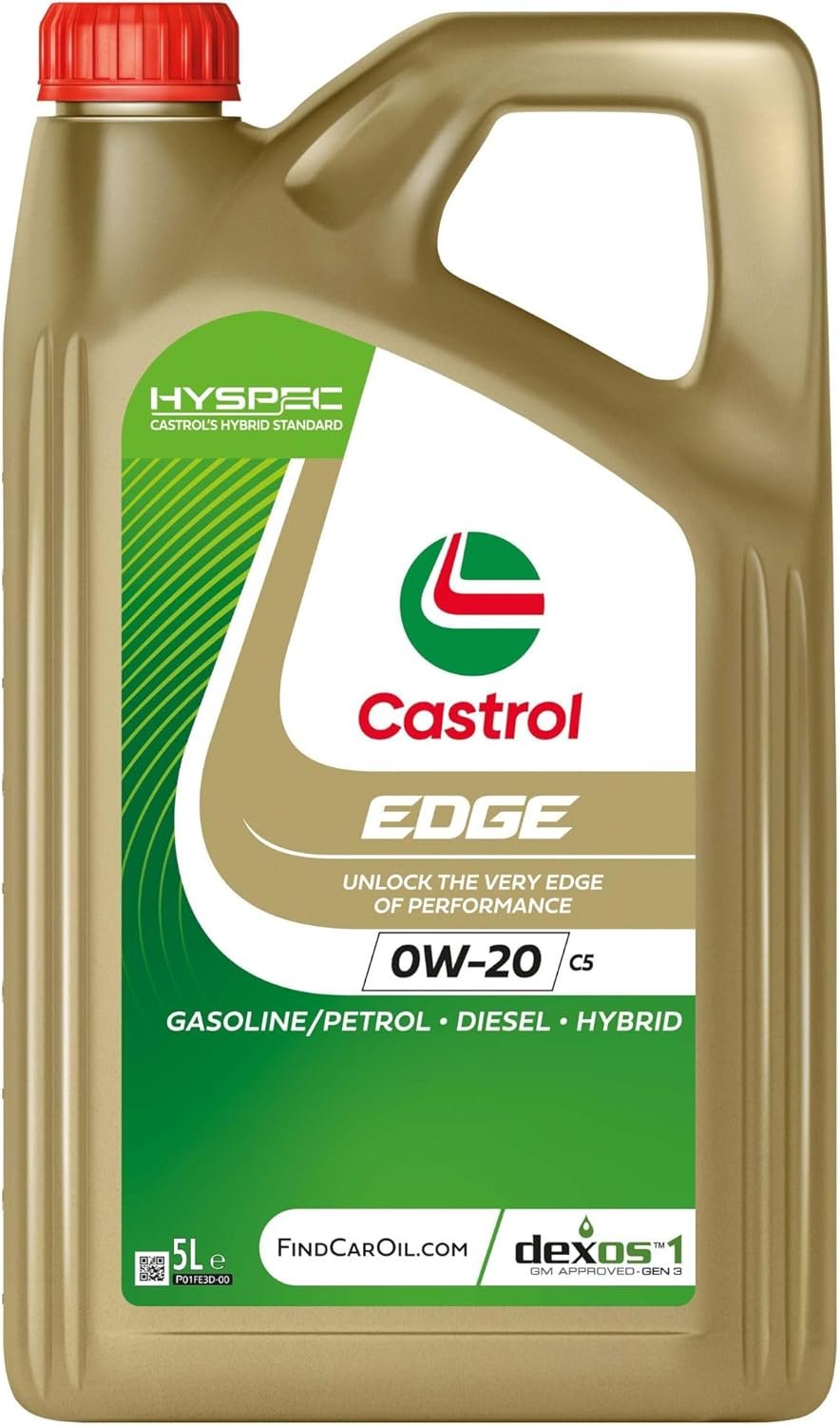
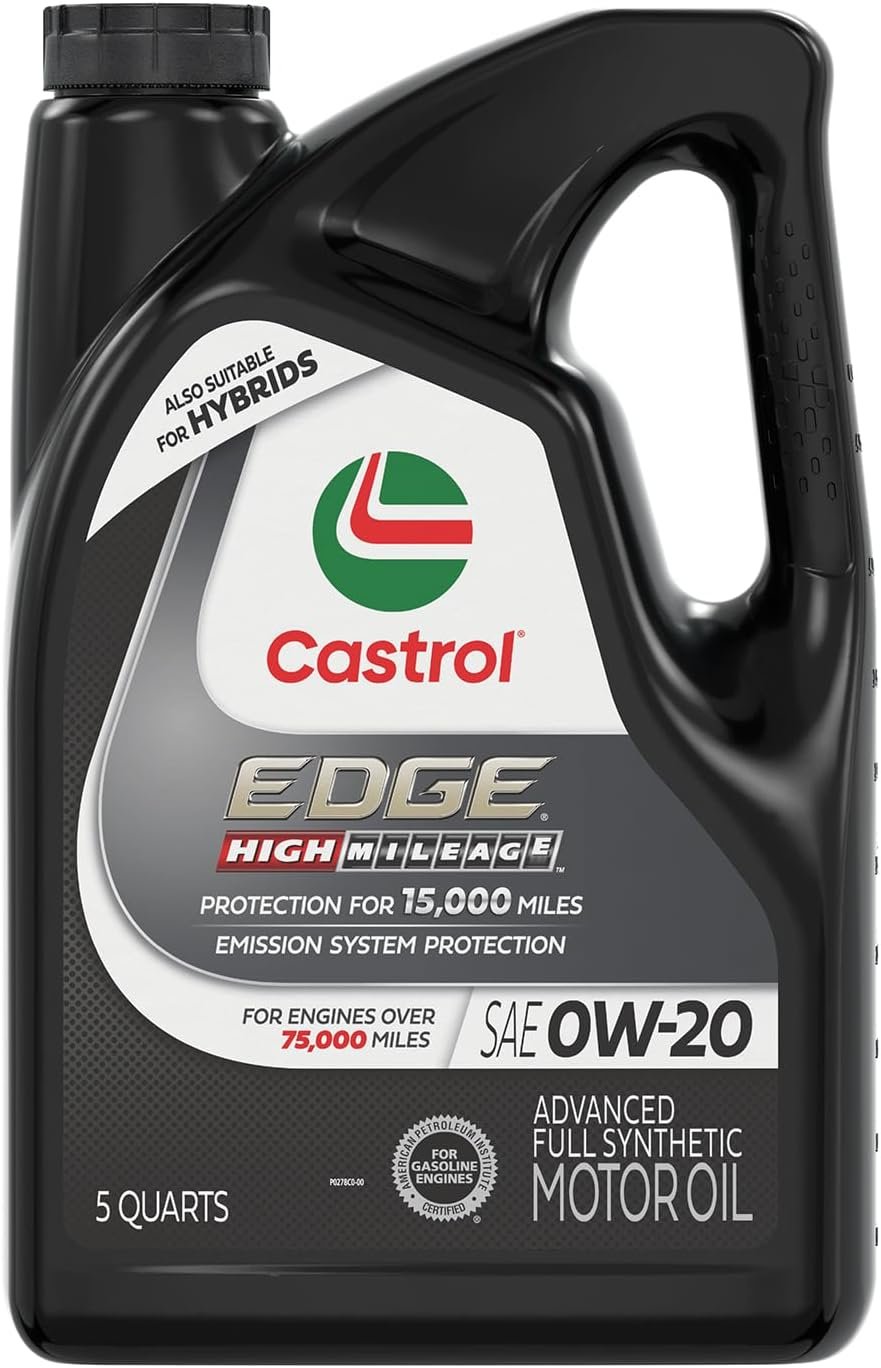
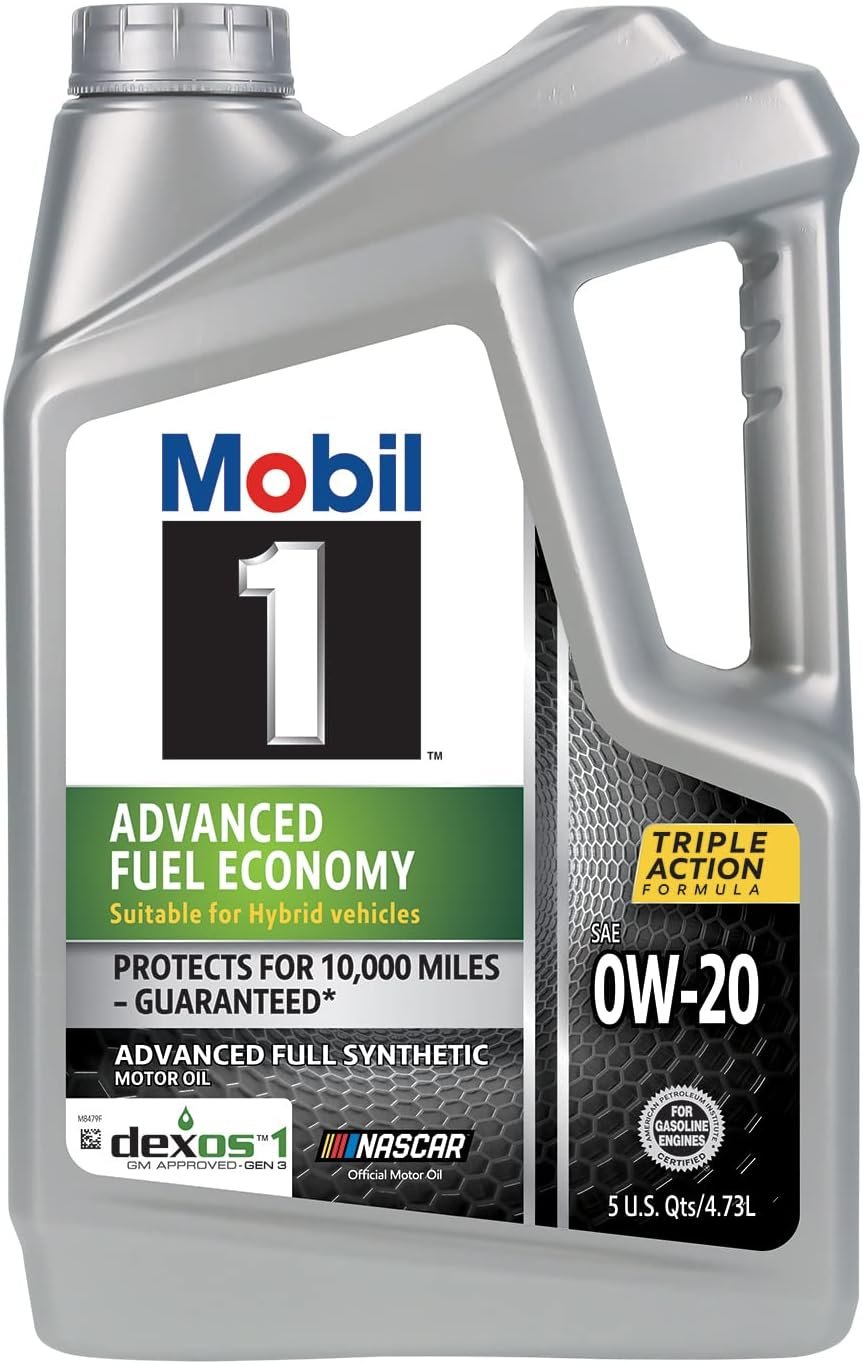
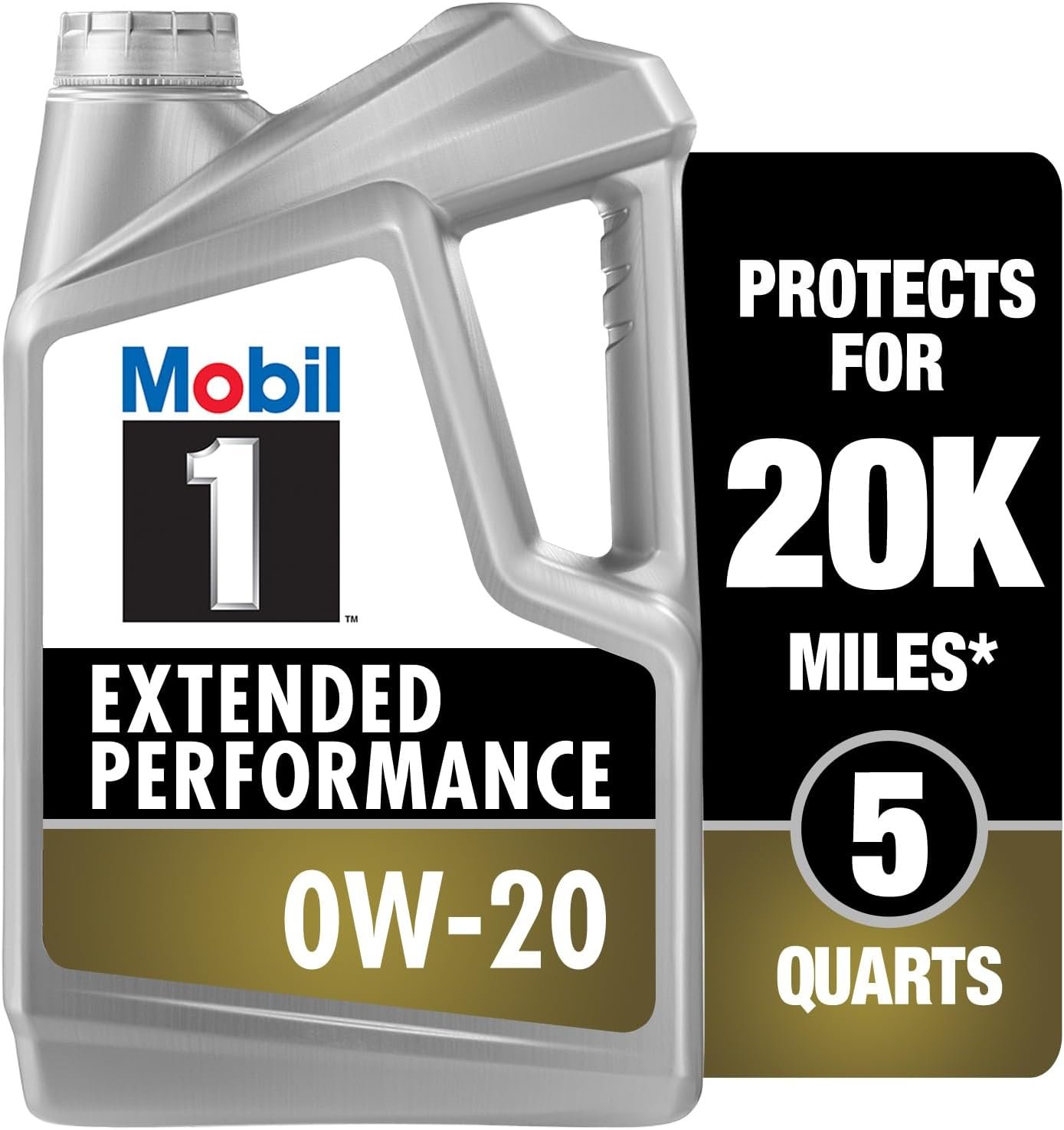
As an Amazon Associate, we may earn from qualifying purchases. This doesn't affect our recommendations — we only suggest oils that hold the exact OEM approval for your engine.
Best Engine Oil for Mazda 3 BP 2.5L SKYACTIV-G (191 HP) — PE-VPS
The fourth-generation Mazda 3 (BP, 2019 onwards) with the 2.5-liter SKYACTIV-G engine is one of the sharpest-driving compact sedans in America. Where most competitors have moved toward small-displacement turbo engines, Mazda chose a naturally aspirated 2.5-liter four-cylinder producing 191 horsepower through high compression and a willingness to rev. The PE-VPS engine code identifies a motor that rewards drivers who enjoy working through a manual gearbox or letting the six-speed automatic hold gears through corners. It also identifies an engine with specific lubrication requirements — the PE-VPS was designed around 0W-20 synthetic oil, and using anything else compromises the tight tolerances and variable valve timing that define its character. This guide covers the correct specification, capacity, known issues, and the best oils to keep this sporty sedan running strong for 200,000 miles and beyond.
Quick Answer: Recommended Oil
For Mazda 3 BP 2.5L SKYACTIV-G (191 HP, PE-VPS):
- Specification: API SP / ILSAC GF-6A
- Viscosity: SAE 0W-20
- Oil capacity: 5.0 quarts with filter (4.6 quarts without)
Key point: Mazda specifies SAE 0W-20 full synthetic meeting API SP as the only recommended viscosity. The engine’s bearing clearances, piston ring tension, and hydraulic lash adjusters are engineered for this viscosity. Do not substitute 5W-20 or 5W-30 — the PE-VPS does not benefit from thicker oil, and a heavier grade creates unnecessary friction while potentially starving tighter oil passages.
The PE-VPS Engine
The PE-VPS is a 2,488cc naturally aspirated inline four-cylinder with an aluminum block and head, producing 191 horsepower at 6,000 RPM and 186 lb-ft of torque at 4,000 RPM. It pairs with either a six-speed automatic or a six-speed manual — Mazda being one of the last manufacturers to offer a proper manual in this segment.
The 13.0:1 compression ratio is exceptionally high for a US-market naturally aspirated engine. Mazda achieves detonation-free combustion through 4-2-1 exhaust headers that reduce residual gas temperatures, cooled EGR, and cavity pistons promoting controlled charge tumble. The long-tube manifold separates exhaust pulses from adjacent cylinders, preventing hot gases from re-entering the combustion chamber — central to running 87-octane fuel at 13.0:1 without knocking.
The valvetrain uses dual S-VT (Sequential Valve Timing) on both camshafts. The intake-side actuator is electrically driven for precise response independent of oil pressure, while the exhaust-side actuator is hydraulically operated and entirely dependent on oil viscosity and pressure for accurate cam phasing. A timing chain drives the camshafts with no scheduled replacement.
Understanding the Oil Specification
API SP is the current top-tier gasoline engine oil classification, introduced in 2020. For the PE-VPS, two provisions matter most. First, enhanced LSPI (Low-Speed Pre-Ignition) resistance — at 13.0:1 compression, the PE-VPS operates closer to the detonation boundary than most naturally aspirated competitors. Second, improved deposit control keeps piston rings mobile in their grooves, maintaining the seal that prevents oil consumption. ILSAC GF-6A accompanies API SP and adds fuel economy retention requirements. Always verify both the API SP donut and the ILSAC GF-6A starburst on the bottle.
Full synthetic is engineering necessity, not marketing. The PE-VPS’s tight clearances and high operating temperatures demand a base stock that holds its viscosity grade across the entire drain interval. Conventional oils shear down faster, leaving the engine unprotected before the next service.
Technical Specifications: PE-VPS
| Specification | Value |
|---|---|
| Displacement | 2,488cc (2.5 liters) |
| Layout | Inline-4, transverse, aluminum block and head |
| Valvetrain | DOHC, 16 valves, timing chain, dual S-VT (electric intake / hydraulic exhaust) |
| Injection | High-pressure direct injection |
| Bore x Stroke | 89.0mm x 100.0mm |
| Compression Ratio | 13.0:1 |
| Power | 191 HP @ 6,000 RPM |
| Torque | 186 lb-ft @ 4,000 RPM |
| Fuel Type | Regular unleaded (87 octane minimum) |
| Recommended Viscosity | SAE 0W-20 |
| Oil Capacity (without filter) | 4.6 quarts (4.4 liters) |
| Oil Capacity (with filter) | 5.0 quarts (4.7 liters) |
| Oil Specification | API SP / ILSAC GF-6A |
| Timing | Chain (lifetime, no scheduled replacement) |
Best Value: Valvoline Advanced Full Synthetic 0W-20 Valvoline’s full synthetic meets API SP and ILSAC GF-6A with solid anti-wear, detergent, and oxidation resistance at the lowest cost here. Widely available at Walmart, AutoZone, O’Reilly, and Amazon for $23-27 per 5 quarts. The most affordable way to maintain proper intervals without compromising specification compliance.
Oil Change Intervals
Mazda Official Recommendation:
- Standard service: 7,500 miles or 12 months (whichever comes first)
- Severe conditions: 5,000 miles or 6 months
Recommended Practice: 5,000 to 7,500 miles, depending on driving conditions.
Mazda defines severe conditions as frequent short trips under 5 miles, extended idle, dusty environments, and repeated high-load driving. If you regularly use the upper rev range, target 5,000-mile intervals. The cost difference amounts to roughly one extra oil change per year at $25-35 — negligible insurance for an engine designed to run 200,000 miles on synthetic.
Why Correct Oil Matters for the PE-VPS
The 13.0:1 compression generates higher cylinder pressures than most naturally aspirated competitors, placing greater demands on oil film strength at piston rings and crankshaft bearings. The hydraulic exhaust S-VT actuator relies on correct viscosity for accurate cam phasing — degraded oil produces sluggish timing response that undermines combustion control. The timing chain tensioner depends on clean oil to maintain proper tension; neglecting changes can produce a cold-start rattle that worsens over time. Quality synthetic also slows carbon accumulation in the PCV system, which feeds oil vapor onto the intake valves.
Common PE-VPS Problems Related to Oil
Carbon Deposits from the PCV System
This is the primary oil-related concern for the PE-VPS. As a direct-injection engine, fuel bypasses the intake valves entirely, eliminating the cleaning effect of fuel washing over them. The PCV system routes oil vapor and blow-by gases back through the intake manifold, where this vapor bakes onto hot intake valve surfaces, forming hard carbon deposits that restrict airflow and disrupt charge motion.
Oil quality directly affects the rate of carbon buildup. Full synthetic oils produce significantly less residue when they vaporize compared to conventional or synthetic blends. Owners running conventional oil may see rough idle, misfires, and reduced power by 60,000-80,000 miles. Synthetic users typically see meaningful symptoms only beyond 100,000 miles. Mazda recommends PCV valve service every 10,000 miles to maintain proper crankcase ventilation and minimize oil vapor reaching the intake valves.
Oil Consumption
Mazda considers oil consumption of up to 0.8 liters per 1,000 kilometers (approximately 1 quart per 800 miles) acceptable for the PE-VPS. Most engines consume far less, but Mazda will not consider moderate consumption a warranty defect. The low-tension piston rings are more permissive of oil passage than higher-tension rings in older designs. Check your dipstick at every other fuel stop and keep a quart of 0W-20 in the trunk.
MAF Sensor Failures
The mass airflow sensor on the PE-VPS has a documented failure rate above the segment average. Symptoms include rough idle, hesitation, poor fuel economy, and check engine light illumination. A failed MAF causes the ECU to miscalculate air-fuel ratios, leading to rich running that increases fuel wash on cylinder walls. Maintaining clean PCV operation through quality synthetic oil and regular PCV valve service reduces the oil vapor contamination that can foul the MAF sensor element.
Thermostat Issues
The PE-VPS has experienced premature thermostat failures that prevent the engine from reaching proper operating temperature. A stuck-open thermostat keeps oil below the temperature needed to burn off moisture and fuel contamination from cold starts. Symptoms include a temperature gauge that never reaches normal, poor cabin heating, and increased fuel consumption. A $150-200 thermostat replacement prevents long-term oil degradation from chronic under-temperature operation.
Conclusion
The Mazda 3 BP 2.5L SKYACTIV-G (PE-VPS) requires 5.0 quarts of SAE 0W-20 engine oil meeting API SP / ILSAC GF-6A at every service. Use full synthetic exclusively — the PE-VPS’s direct injection and PCV system mean oil vapor quality directly determines the rate of intake valve carbon buildup. Service the PCV valve every 10,000 miles. Monitor oil consumption regularly, understanding that Mazda considers up to 0.8L per 1,000km acceptable. Change oil every 5,000 to 7,500 miles, leaning shorter if you drive spiritedly. The PE-VPS is a remarkably well-engineered naturally aspirated engine — give it correct synthetic oil at sensible intervals, and it will deliver sharp, responsive performance well beyond 200,000 miles.
Our Top Picks
As an Amazon Associate, we may earn from qualifying purchases. This doesn't affect our recommendations — we only suggest oils that hold the exact OEM approval for your engine.