 Oil-
Oil-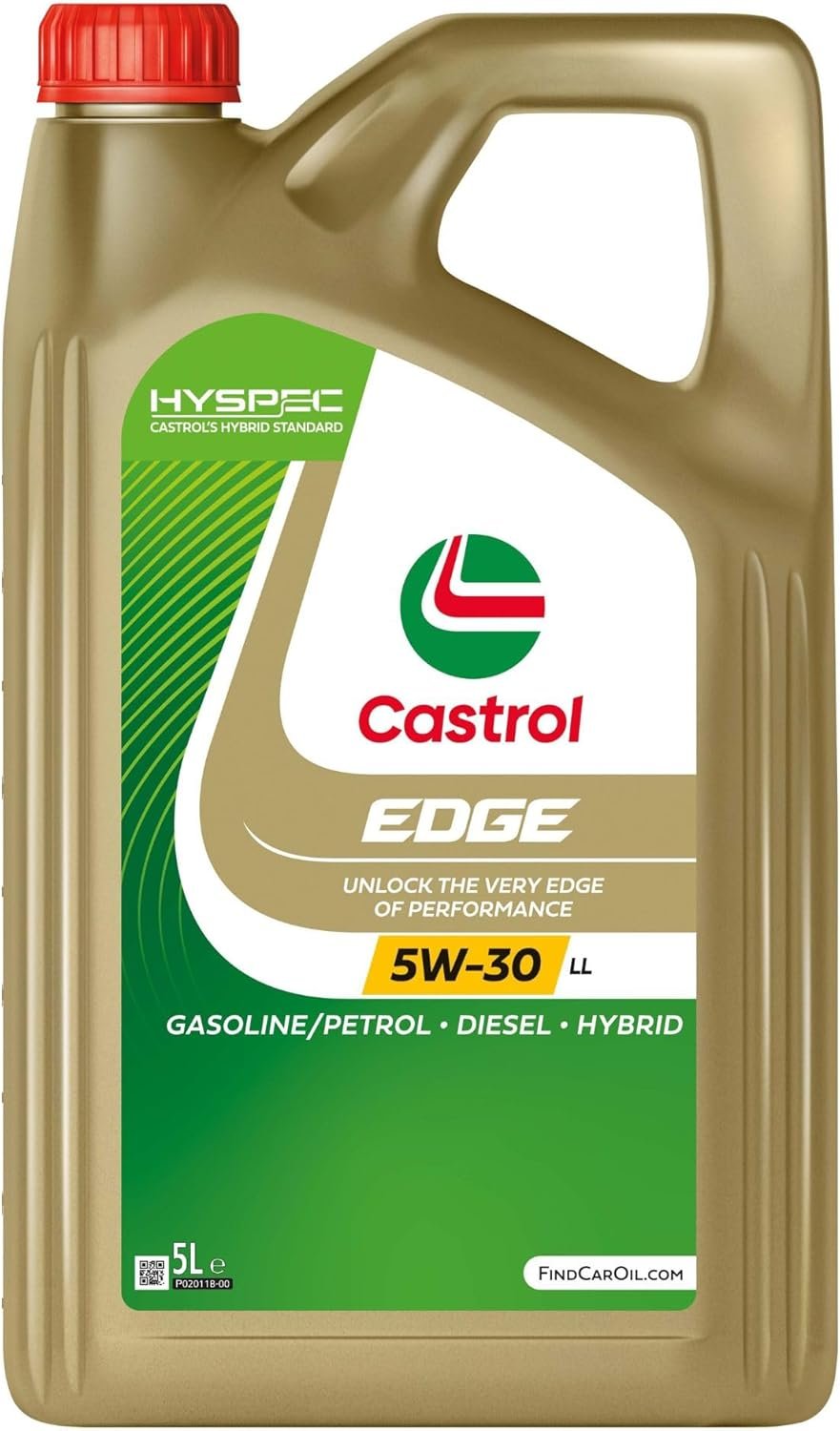
As an Amazon Associate, we may earn from qualifying purchases. This doesn't affect our recommendations — we only suggest oils that hold the exact OEM approval for your engine.
Best Engine Oil for Vauxhall Astra K 1.4 Turbo (150 HP)
The Vauxhall Astra K was a significant step forward for the Astra nameplate when it launched in 2015, shedding over 100 kilograms compared to its predecessor and winning European Car of the Year in 2016. The 1.4-litre turbocharged petrol engine producing 150 horsepower, coded B14XFT, was the range’s most popular petrol unit in the UK. It offered a genuine balance of performance and economy that made it a compelling choice for private buyers and fleet operators alike.
However, the B14XFT carries a history that every owner should understand before reaching for a bottle of engine oil. Early models suffered from a destructive phenomenon called Low-Speed Pre-Ignition, and the solution Vauxhall ultimately settled on involved fundamentally changing the recommended oil specification. This guide explains the full story, why it matters for your oil choice today, and which products to buy.
Quick Answer: Recommended Oil
For Vauxhall Astra K 1.4 Turbo (150 HP):
- Primary specification: GM dexos2, ACEA C3, SAE 5W-30
- Oil capacity: 4.0 litres with filter (3.7 L without)
Key warning: Early Astra K 1.4 Turbo models (pre-2017) were subject to a recall for ECU recalibration to address Low-Speed Pre-Ignition. If your car has not received this update, have it applied before your next oil change. The correct oil specification after the update is dexos2 5W-30 ACEA C3.
The B14XFT Engine: Compact Turbo, Big Expectations
The B14XFT is a GM-designed 1.4-litre four-cylinder turbocharged petrol engine with direct fuel injection. It produces 150 horsepower at 5,000 RPM and 245 Nm of torque from just 1,800 RPM, giving the Astra K brisk performance that belied its modest displacement. The engine was part of GM’s global small-displacement turbo strategy, sharing its basic architecture with units used across Chevrolet and Opel models worldwide.
Direct injection is central to the engine’s efficiency. Fuel is sprayed directly into the combustion chamber at high pressure, allowing precise control over the air-fuel mixture and enabling a higher compression ratio than port-injected turbocharged engines of the same era. Combined with a compact, fast-spooling turbocharger, the result is an engine that feels considerably larger than 1.4 litres in everyday driving.
But direct injection in a small-capacity turbocharged engine also creates a specific vulnerability. It was this vulnerability that would force GM to rethink its entire oil specification strategy.
Low-Speed Pre-Ignition: The Problem That Changed Everything
Low-Speed Pre-Ignition, commonly abbreviated as LSPI and sometimes called “super-knock,” is a destructive combustion event that occurs in turbocharged direct-injection petrol engines under specific conditions. It typically strikes during low-speed, high-load situations: pulling away from a roundabout in a high gear, accelerating uphill at low RPM, or merging onto a motorway from a slip road while the engine labours below 2,500 RPM.
During normal combustion, the spark plug ignites the air-fuel mixture at a precisely timed moment. During an LSPI event, the mixture ignites spontaneously before the spark plug fires, while the piston is still rising on the compression stroke. The resulting pressure spike can be several times higher than normal combustion pressure. Unlike conventional knock, which the ECU can detect and mitigate by retarding ignition timing, LSPI events occur without warning and can cause immediate mechanical damage: cracked pistons, bent connecting rods, and destroyed bearings.
The B14XFT was particularly susceptible. Early Astra K models reported LSPI events that caused catastrophic engine failures, sometimes at surprisingly low mileages. The small displacement, high specific output, and direct injection system created the perfect conditions for the phenomenon. Owners reported sudden loss of power, metallic rattling, and in severe cases complete engine destruction.
GM’s investigation into LSPI on the B14XFT and related engines produced a finding that reshaped the entire automotive lubricant industry: certain oil additive chemistries were directly contributing to pre-ignition events. Specifically, calcium-based detergent additives, common in many engine oils, were found to promote the formation of hot deposits on the piston crown and combustion chamber surfaces. These deposits acted as ignition sources, triggering the spontaneous combustion events characteristic of LSPI.
The Oil Specification Change: From dexos1 Gen 2 to dexos2
GM’s response was two-pronged. First, Vauxhall issued a recall for affected vehicles to update the ECU software. The revised calibration altered fuelling maps and ignition timing to reduce the conditions under which LSPI could occur. This was necessary but not sufficient on its own.
The second, more radical step was an oil specification change. GM initially moved the recommended specification from dexos2 to dexos1 Gen 2, which was specifically reformulated to limit calcium-based additives and include magnesium-based alternatives that do not promote LSPI. This was an extraordinary move: an engine manufacturer publicly acknowledging that the oil chemistry itself was part of the failure mechanism, not just the engine hardware or software.
The dexos1 Gen 2 specification (now superseded by dexos1 Gen 3) was the first major OEM oil standard to include explicit LSPI prevention requirements in its test protocol. Oils seeking approval had to pass the GM LSPI engine test, demonstrating that they did not contribute to pre-ignition events under controlled conditions.
For the current Astra K 1.4 Turbo with the updated ECU calibration, dexos2 5W-30 ACEA C3 is the recommended specification. The combination of the software update and modern dexos2-approved oils, which now also incorporate LSPI-resistant additive chemistry, provides comprehensive protection. Post-2017 models with the updated ECU and correct oil are considered reliable, and the LSPI issue is effectively resolved when both measures are in place.
Why Oil Quality Is Critical for This Engine
Beyond the LSPI story, the B14XFT is a small-capacity turbocharged engine that places significant demands on its lubricant. The turbocharger’s bearing sits in a housing that can reach temperatures above 200 degrees Celsius during hard driving. When the engine is switched off, oil flow stops but the turbo housing remains hot, “coking” any oil that sits in the bearing cavity. A quality synthetic oil with strong thermal stability resists coking and protects the turbo between restarts.
The total oil capacity is also notably modest at just 4.0 litres with filter. A smaller oil volume means each litre works harder, cycling through the engine more frequently and accumulating contaminants faster than in an engine holding 5 or 6 litres. This makes both oil quality and change interval discipline more important than they might be in a larger-engined car.
Direct injection also contributes to fuel dilution in cold conditions. Unburned fuel washing past the piston rings into the sump thins the oil, reducing its protective capability. Short urban journeys where the engine never fully warms up accelerate this effect. Monitor the dipstick regularly, particularly through winter months.
Technical Specifications: B14XFT
| Specification | Value |
|---|---|
| Displacement | 1,399cc (1.4 litre) |
| Layout | Inline-4, transverse, aluminium |
| Valvetrain | DOHC, 16 valves |
| Fuel System | Direct injection, turbocharged |
| Power | 150 HP @ 5,000 RPM |
| Torque | 245 Nm @ 1,800–4,500 RPM |
| Fuel Type | Petrol, 95 RON minimum |
| Recommended Viscosity | SAE 5W-30 |
| Oil Capacity (without filter) | 3.7 litres |
| Oil Capacity (with filter) | 4.0 litres |
| ACEA Norm | C3 |
| GM Norm | dexos2 |
Oil Change Intervals
Vauxhall Official Recommendation:
- Flexible service: up to 20,000 miles or 1 year
- Condition-based service indicator on dashboard
Recommended Practice: 8,000-10,000 miles or annually, whichever comes first.
Vauxhall’s official flexible service interval of up to 20,000 miles is optimistic for this engine. The combination of a small oil volume, turbocharger heat stress, direct injection fuel dilution, and the engine’s historical sensitivity to oil chemistry all argue for conservative maintenance.
Consider 6,000-mile intervals if:
- Predominantly short urban journeys under 10 miles
- Frequent cold starts in winter without reaching full operating temperature
- Vehicle has unknown service history or was previously run on non-dexos2 oil
- High-mileage examples over 80,000 miles
- Regular spirited driving that loads the turbocharger heavily
When draining, allow ample time for the oil to flow from the sump. The 3.7-litre dry capacity means every drop matters. Always replace the sump plug washer to prevent slow leaks.
Pre-Purchase and Ownership Checks
If buying a used Astra K 1.4 Turbo, the single most important question is whether the LSPI-related ECU recall was carried out. Any Vauxhall dealer can check the vehicle’s recall status by VIN. A car that has not received the update may have accumulated internal damage from LSPI events that is not yet externally apparent. Insist on the update before purchase, or factor the risk into your offer.
Check the service history for evidence of dexos2-approved oil at every change. A car serviced exclusively at Vauxhall dealers will almost certainly have received correct oil. Independent garages, while often excellent, sometimes substitute generic 5W-30 without the dexos2 approval, which is inadequate for this engine.
Listen for any rattling or knocking at low RPM under load during a test drive. While the updated ECU should prevent LSPI, an engine that suffered events before the update may have residual bearing or piston damage that manifests as noise under stress.
Conclusion
The Vauxhall Astra K 1.4 Turbo is a genuinely good car with a genuinely interesting engineering story. The LSPI problem and subsequent oil specification change represent one of the most significant real-world demonstrations of how engine oil chemistry directly affects engine survival, not just wear rates. With the ECU update applied and dexos2 5W-30 ACEA C3 oil in the sump, the B14XFT is a reliable and enjoyable engine.
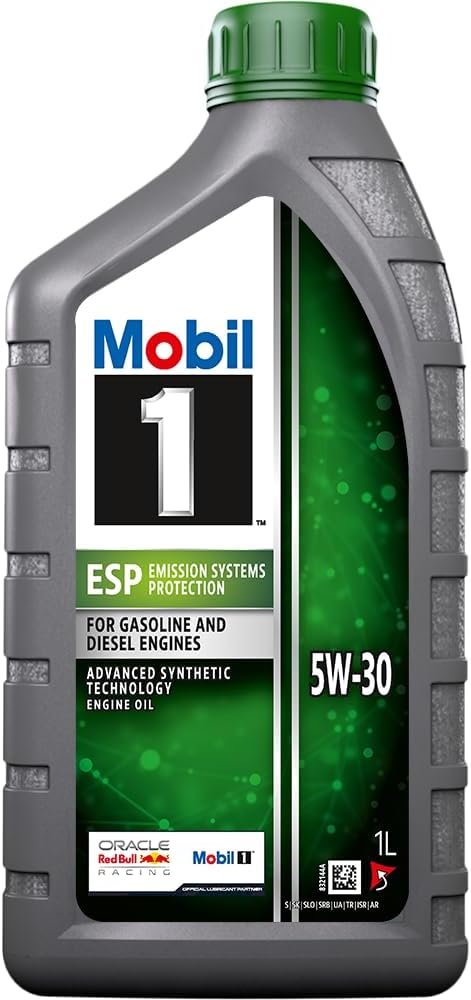
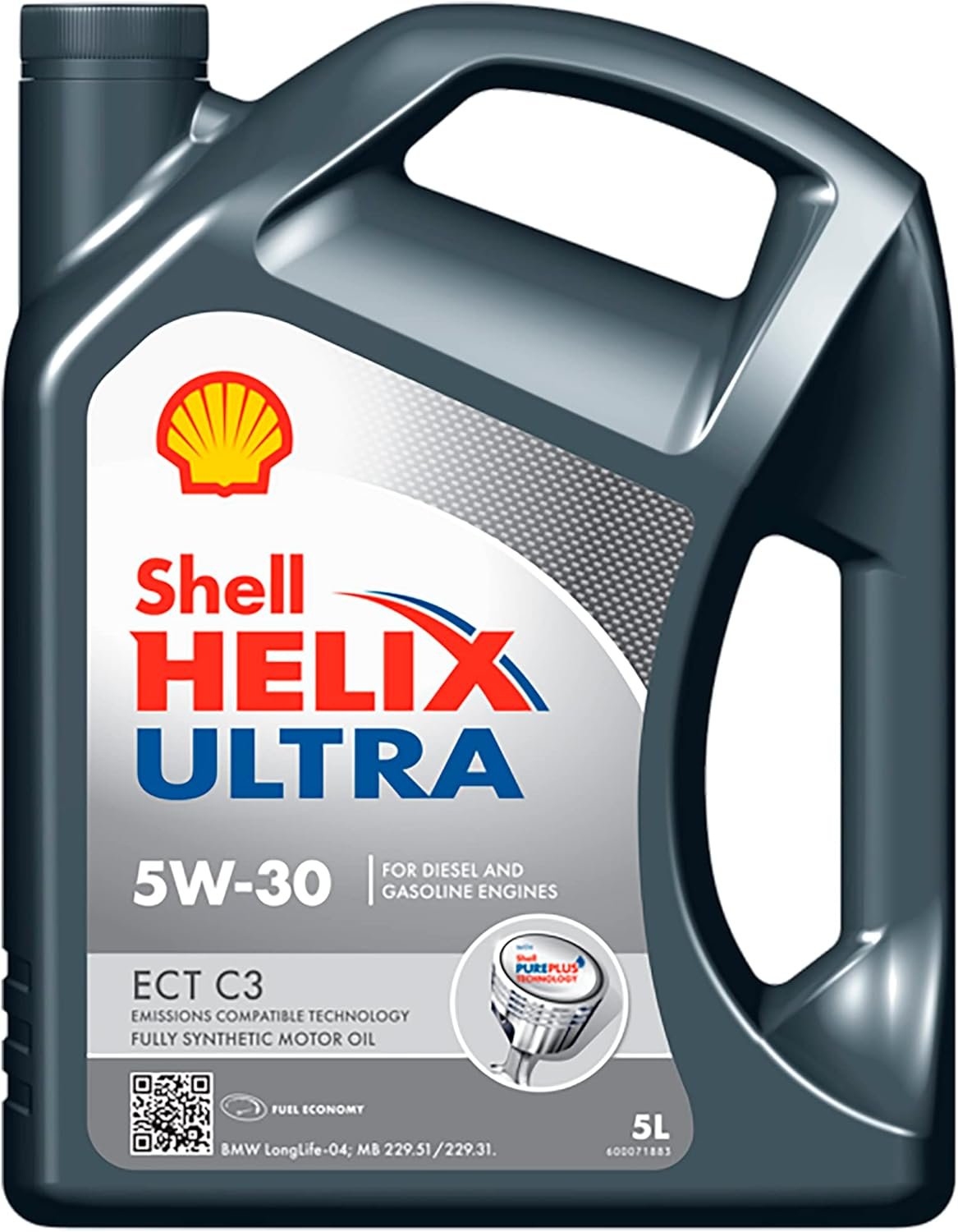
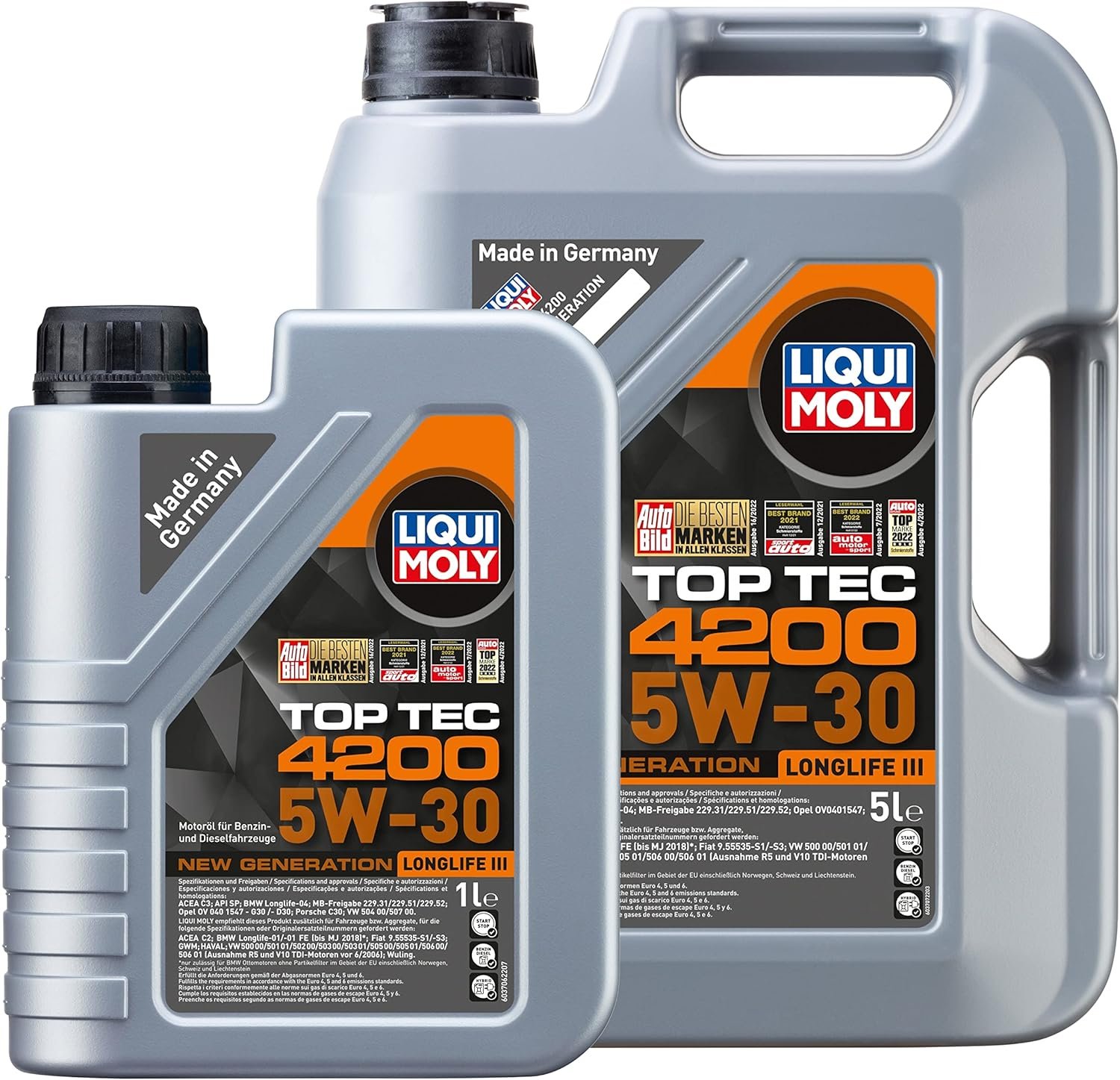
Castrol EDGE 5W-30 LL is the straightforward default choice, while Mobil 1 ESP, Shell Helix Ultra ECT C3, and Liqui Moly Top Tec 4600 all provide excellent dexos2-approved alternatives. Keep intervals to 10,000 miles or less, use the correct specification without exception, and the 1.4 Turbo will deliver its 150 horsepower faithfully for years to come. The £30-50 spent on proper oil is negligible compared to the cost of a turbocharger rebuild or bottom-end failure from running the wrong lubricant.
Our Top Picks
As an Amazon Associate, we may earn from qualifying purchases. This doesn't affect our recommendations — we only suggest oils that hold the exact OEM approval for your engine.