 Oil-
Oil-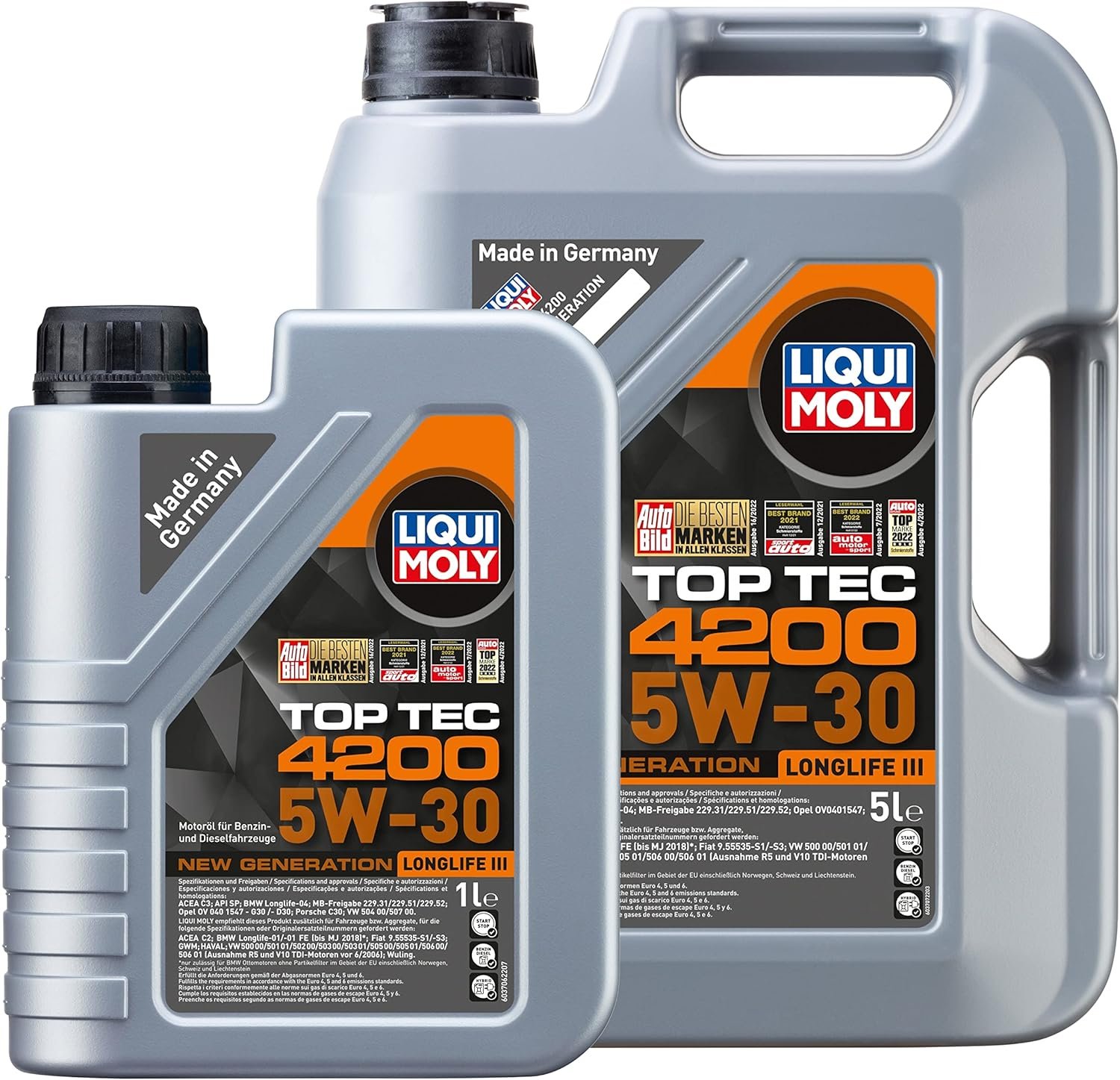
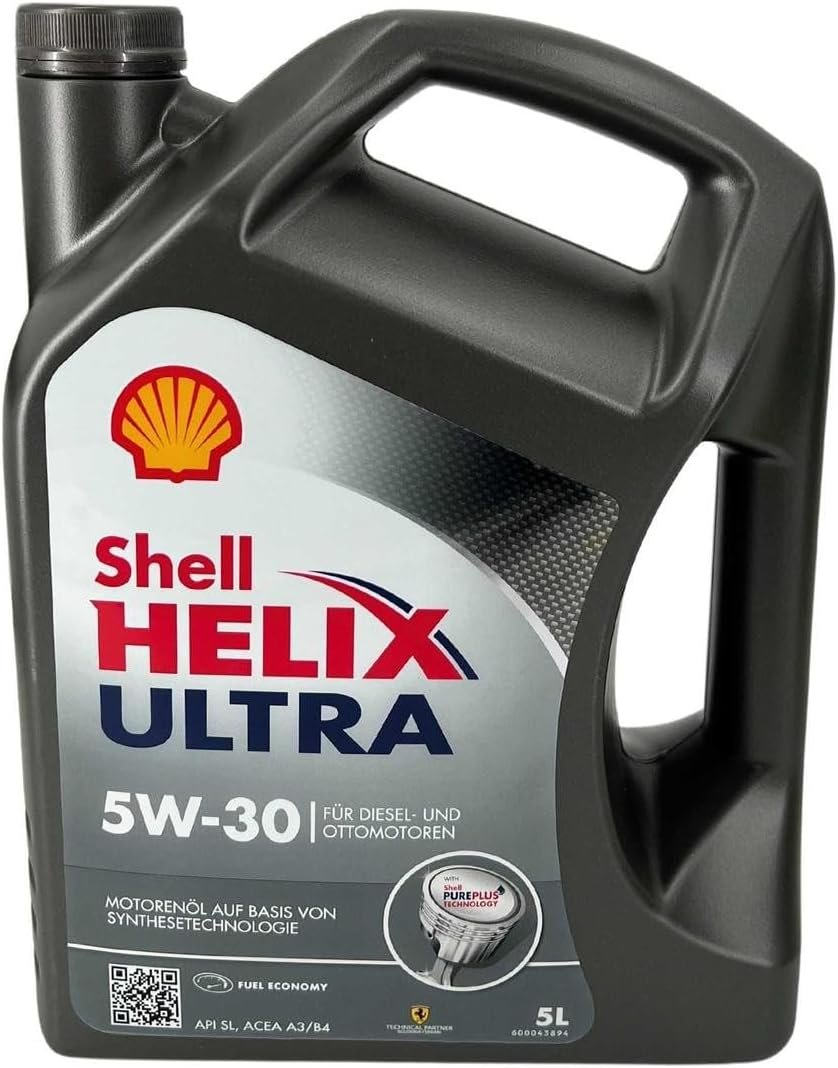
As an Amazon Associate, we may earn from qualifying purchases. This doesn't affect our recommendations — we only suggest oils that hold the exact OEM approval for your engine.
Best Engine Oil for Peugeot 406 2.0 HDi (90/110 HP)
The Peugeot 406 fitted with the 2.0 HDi diesel engine is one of the most enduring workhorses to come out of the PSA stable. Produced from 1998 through to the end of 406 production in 2004, this common-rail turbodiesel was available in 90 HP and 110 HP variants, both sharing the legendary DW10 engine family co-developed with Ford. French taxi fleets have routinely pushed these engines past 300,000 km on original internals, a testament to the DW10’s fundamental toughness. However, that durability depends entirely on consistent maintenance, and oil selection sits at the very top of the priority list. The 406 HDi predates modern diesel particulate filters, simplifying your oil choice somewhat, but the turbocharger, common-rail injection system, and EGR valve all demand a quality lubricant meeting PSA B71 2290 standards. This guide covers the correct specifications, capacity, and best oils to keep your 406 HDi running for years to come.
Quick Answer: Recommended Oil
For Peugeot 406 2.0 HDi (90/110 HP):
- Recommended viscosity: SAE 5W-30
- Alternative viscosity: SAE 5W-40
- Oil capacity: 4.5 litres with filter (4.2 L without)
- Required norms: ACEA B3/B4, PSA B71 2290
Key point: The DW10 has no diesel particulate filter on most 406 models, so you are not restricted to low-SAPS oils. However, a quality full-synthetic 5W-30 meeting ACEA B3/B4 remains the best choice for turbo protection and long engine life. PSA B71 2290 approval on the bottle guarantees the oil has passed Peugeot’s own durability testing.
The DW10 Engine: A Diesel Legend
The DW10 is one of the most successful diesel engines ever produced in Europe. Developed jointly by PSA (Peugeot-Citroen) and Ford, this 1,997cc four-cylinder went on to power everything from the Peugeot 307 and 407 to the Ford Focus and Volvo S40. In the 406, it replaced the older XUD turbodiesel and brought common-rail injection to the mainstream French car market.
Simple, robust architecture. The DW10 in the 406 uses an 8-valve SOHC design rather than the later 16-valve variants found in the 407 and subsequent models. This simpler valvetrain has fewer components to fail and lower maintenance demands. The cast-iron block is virtually indestructible, and the aluminium cylinder head handles thermal cycling well when the cooling system is properly maintained.
Bosch common-rail injection was cutting-edge for the late 1990s. The high-pressure fuel system operates at up to 1,350 bar, delivering precise fuel metering that gives the DW10 its characteristic refinement for the era. The 90 HP variant uses a simpler injector calibration, while the 110 HP version features higher fuel pressure and revised turbo mapping.
Turbocharger. Both variants use a Garrett GT1549S turbocharger. This is a fixed-geometry unit, simpler and more reliable than the variable geometry turbos found on later PSA diesels. That said, the turbo remains the component most sensitive to oil quality. The turbine shaft spins at up to 150,000 RPM on a thin film of engine oil, and any contamination or viscosity breakdown leads to bearing wear, shaft play, and eventual failure.
Why Oil Quality Matters for the DW10
Turbo protection is paramount. The Garrett GT1549S relies entirely on engine oil for bearing lubrication and cooling. When you switch off the engine after a hard motorway run, the turbo is still extremely hot, and residual oil must maintain its protective film as temperatures spike. Degraded or incorrect oil cokes inside the turbo bearing housing, creating hard carbon deposits that score the shaft and eventually cause oil leaks into the intake tract. If you spot oil in the inlet manifold or excessive blue smoke on start-up, turbo seal wear is the likely culprit.
EGR valve longevity. The 406 HDi’s exhaust gas recirculation valve is prone to clogging with carbon deposits, particularly on vehicles used for short urban journeys. While EGR fouling is primarily a combustion byproduct issue, oil quality plays a supporting role. High-quality detergent additives in the correct oil help keep internal engine surfaces cleaner, reducing the soot load that eventually overwhelms the EGR system. Poorly maintained examples with infrequent oil changes suffer noticeably worse EGR problems.
No DPF simplifies your choice. The Peugeot 406 2.0 HDi predates Euro 5 emissions regulations, meaning most examples left the factory without a diesel particulate filter. This is significant for oil selection because you are not forced to use low-SAPS (Sulphated Ash, Phosphorus, Sulphur) formulations. You can use a full-additive ACEA B3/B4 oil, which typically provides stronger anti-wear and detergent protection than the low-SAPS ACEA C-class oils required by DPF-equipped vehicles. That said, modern low-SAPS 5W-30 oils from premium brands are perfectly compatible and will not cause any issues.
Technical Specifications: 2.0 HDi (DW10)
| Specification | Value |
|---|---|
| Displacement | 1,997cc (2.0 litres) |
| Layout | Inline-4, transverse, cast-iron block, aluminium head |
| Valvetrain | SOHC, 8 valves, timing belt |
| Bore x Stroke | 85mm x 88mm |
| Compression Ratio | 18:1 |
| Power | 90 HP / 110 HP @ 4,000 RPM |
| Torque | 205 Nm (90 HP) / 250 Nm (110 HP) @ 1,900 RPM |
| Fuel System | Bosch common-rail direct injection |
| Turbocharger | Garrett GT1549S (fixed geometry) |
| Recommended Viscosity | SAE 5W-30 |
| Alternative Viscosity | SAE 5W-40 |
| Oil Capacity (without filter) | 4.2 litres |
| Oil Capacity (with filter) | 4.5 litres |
| ACEA Norm | B3/B4 |
| OEM Norm | PSA B71 2290 |
Oil Change Intervals
PSA Official Recommendation:
- Standard service: 20,000 km or 12 months
- Severe conditions: 10,000 km or 6 months
Recommended Practice: 10,000 km or annually, regardless of driving conditions.
PSA’s 20,000 km recommendation was aggressive even when these cars were new, and it is entirely inappropriate for an ageing diesel engine. The DW10 produces significant soot as a byproduct of diesel combustion, and this soot accumulates in the oil, thickening it and reducing its protective properties. Extended intervals on a common-rail turbodiesel accelerate turbo bearing wear, EGR fouling, and piston ring varnishing.
Consider 7,500 km intervals if:
- Primarily short trips under 10 km (fuel dilution and moisture buildup)
- Heavy urban driving with frequent idling (increased soot loading)
- Vehicle exceeds 200,000 km (wider tolerances demand fresher oil)
- Towing or heavy load carrying (increased thermal stress)
- Any sign of turbo oil leaks or blue smoke on start-up
Always replace the oil filter at every change. The 406 HDi’s oil filter is inexpensive (£5–8), and reusing a saturated filter immediately contaminates fresh oil.
Common DW10 Problems and Oil-Related Prevention
Turbo vacuum hose splits. The rubber vacuum hoses controlling the turbo wastegate actuator become brittle with age and heat exposure. Split hoses cause loss of boost control, resulting in either underboost (sluggish performance) or overboosting (dangerous). While not directly oil-related, a turbo running without proper boost control operates outside its designed parameters, increasing heat and oil stress. Inspect all vacuum hoses annually and replace any that show cracking.
Burst lower turbo intercooler pipes. The rubber connector between the turbo and intercooler deteriorates over time, and sudden failure under boost causes an immediate loss of power. Replace these hoses proactively at 150,000 km or earlier if they feel soft or swollen.
Oil in the inlet manifold. Finding oil pooled in the intake tract indicates turbo seal wear on the compressor side. Small amounts of oil mist are normal, but significant accumulation (more than a light coating) means the turbo shaft seals are allowing pressurised crankcase oil past the compressor wheel. This is typically caused by excessive shaft play from bearing wear, which cycles back to oil quality. Prevention is straightforward: use correct 5W-30 oil, change it every 10,000 km, and always allow the engine to idle for 30 seconds before switching off after sustained high-speed driving.
EGR clogging. The 406 HDi’s EGR valve accumulates carbon deposits that eventually restrict its operation, causing rough idling, black smoke, and reduced performance. While cleaning or blanking the EGR is a common fix, prevention through quality oil with strong detergent properties (Total Quartz INEO or Mobil 1 ESP) and regular motorway runs to maintain operating temperature significantly extends EGR life.
Cooling system maintenance. The DW10 is sensitive to overheating, and the 406’s cooling system ages poorly. Thermostat failures, degraded coolant hoses, and radiator blockage are common on high-mileage examples. Overheating destroys oil film strength rapidly and causes head gasket failure. Replace the coolant and thermostat every 4 years, and inspect hoses for swelling or weeping. A healthy cooling system is as important as correct oil for engine longevity.
5W-30 vs 5W-40: Which to Choose
The DW10 accepts both 5W-30 and 5W-40, but they serve different situations.
5W-30 is the primary recommendation. Its lower viscosity at operating temperature improves fuel economy by approximately 1-2% and circulates more quickly on cold starts, reaching the turbo bearings faster. For the majority of driving conditions in the UK climate, 5W-30 provides the ideal balance of protection and efficiency.
5W-40 is the better choice for high-mileage engines above 250,000 km where cylinder bore wear has increased oil consumption, vehicles used for towing or sustained high-speed motorway driving, and warmer operating conditions during summer months. The slightly thicker oil film compensates for worn clearances and provides extra protection under sustained high-load conditions.
Both viscosities must meet ACEA B3/B4 as a minimum. The PSA B71 2290 norm is specified at 5W-30, so if OEM approval matters to you, stick with 5W-30.
Conclusion
The Peugeot 406 2.0 HDi requires ACEA B3/B4 compliant SAE 5W-30 engine oil meeting PSA B71 2290 standards, with a capacity of 4.5 litres including the filter. The DW10 engine’s legendary durability is only achievable with disciplined oil maintenance: 10,000 km intervals using quality full-synthetic oil from a reputable brand.
Total Quartz INEO MC3 5W-30 is the natural OEM choice at £34–38 for 5 litres, while Mobil 1 ESP 5W-30 offers maximum protection for higher-mileage engines at £40–45. The absence of a DPF gives you freedom to choose any ACEA B3/B4 oil without worrying about filter compatibility. Invest £35–45 annually in correct oil and you protect the turbo (£600–900 to replace), prevent EGR fouling, and preserve the engine that French taxi drivers trusted to deliver 300,000 km and beyond. The DW10 rewards proper care with remarkable longevity, and choosing the right oil is the single most important thing you can do for it.
Our Top Picks
As an Amazon Associate, we may earn from qualifying purchases. This doesn't affect our recommendations — we only suggest oils that hold the exact OEM approval for your engine.