 Oil-
Oil-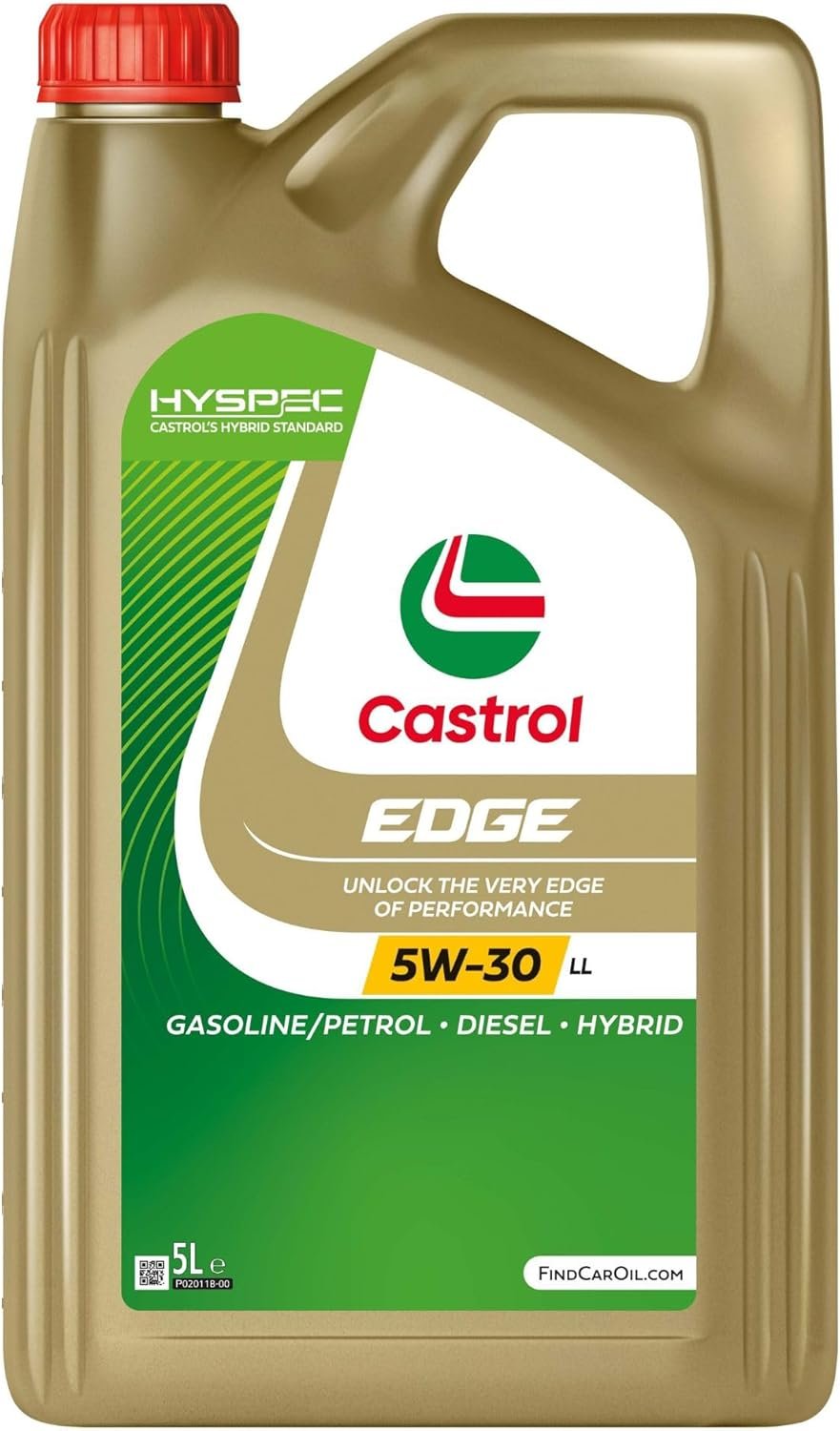
As an Amazon Associate, we may earn from qualifying purchases. This doesn't affect our recommendations — we only suggest oils that hold the exact OEM approval for your engine.
Best Engine Oil for Volkswagen Golf 7 1.4 TSI (122/150 HP)
The seventh-generation Volkswagen Golf (2012-2020) with the 1.4 TSI engine represents the peak of the EA211 petrol engine family. Available in two power outputs — 122 HP with the CZCA engine code and 150 HP with the CZDA — the 1.4 TSI struck a balance between the three-cylinder 1.0 TSI’s economy and the four-cylinder 1.5 TSI’s refinement that succeeded it. The 150 HP CZDA variant introduced Active Cylinder Management (ACT), Volkswagen’s cylinder deactivation technology that shuts down cylinders 2 and 3 under light load to improve fuel economy. This sophisticated technology creates specific demands on engine oil that go beyond simple viscosity and specification compliance. Understanding these demands is the key to keeping the Golf 7 1.4 TSI running as Volkswagen intended.
Quick Answer: Recommended Oil
For VW Golf 7 1.4 TSI (122/150 HP), engine codes CZCA / CZDA:
- Primary specification: VW 504 00 / 507 00 with SAE 5W-30
- Alternative specification: VW 508 00 / 509 00 with SAE 0W-20 (newer approval)
- ACEA norm: C3 (for 5W-30) or C5 (for 0W-20)
- Oil capacity: 4.0 litres with filter (3.7 L without)
Important note: The Golf 7 1.4 TSI was originally designed for VW 504 00 / 507 00 in 5W-30. Volkswagen subsequently approved VW 508 00 / 509 00 in 0W-20 as a backward-compatible upgrade for improved fuel economy. Both are correct; neither is wrong. If your VW dealer has been using 0W-20, continue with 0W-20. If 5W-30 has been used throughout the car’s life, either continue or switch — both are fully approved.
The EA211 1.4 TSI Engine
The EA211 family was Volkswagen’s clean-sheet replacement for the EA111 engines that powered the Golf 5 and 6. Where the EA111 used a cast iron block and timing chain, the EA211 1.4 TSI adopted an aluminium block for weight reduction and — critically — a timing belt rather than a chain. This belt is conventional (dry, external) and has a replacement interval of approximately 130,000 miles or 210,000 km under VW’s LongLife service regime.
The engine is a 1,395cc inline four-cylinder with direct fuel injection, a single turbocharger with wastegate, and an integrated exhaust manifold cast into the cylinder head. The integrated manifold reduces turbo lag and allows coolant to flow around the exhaust ports, reducing heat soak and improving thermal management.
CZCA (122 HP): The base variant produces 122 HP at 5,000 RPM and 200 Nm from 1,500-4,000 RPM. It lacks ACT and uses a conventional four-cylinder operation at all times. Simple, efficient, and with fewer potential failure modes.
CZDA (150 HP): The higher-output variant adds 28 HP through revised turbo calibration and fuelling, producing 150 HP at 5,000-6,000 RPM and 250 Nm from 1,500-3,500 RPM. The headline feature is Active Cylinder Management, which deactivates cylinders 2 and 3 under light throttle loads by holding the intake and exhaust valves closed via electromagnetic actuators on the camshaft.
Active Cylinder Management and Oil Quality
ACT operates by switching electromagnetic actuators that slide coupling elements on the camshaft, opening or closing individual cylinder valves. This switching happens at engine speeds between 1,250 and 4,000 RPM when throttle demand is low — typically motorway cruising, gentle urban driving, and rolling descents. The system transitions between two-cylinder and four-cylinder modes seamlessly, with most drivers unaware of the switch.
The electromagnetic actuators and sliding coupling elements on the camshaft are precision components that depend on clean, correctly specified oil for three reasons. First, the actuators operate hydraulically through oil pressure — contaminated or degraded oil with poor pressure characteristics can cause sluggish or incomplete switching. Second, the coupling elements slide along the camshaft surface and require excellent lubricity to avoid wear at the contact points. Third, the inactive cylinders still have pistons moving up and down, acting as air springs. Oil must maintain correct viscosity to seal the piston rings adequately even in deactivated cylinders, preventing oil consumption.
VW 504 00 / 507 00 mandates the anti-wear, detergent, and viscosity characteristics that ACT requires. Oils meeting only the general ACEA C3 standard without VW-specific approval have not been validated against the ACT switching mechanism and should not be used.
Timing Belt: Conventional but Not Negligible
Unlike the PureTech wet belt or the older EA111 timing chain, the EA211 1.4 TSI uses a conventional dry timing belt on the exhaust side of the engine. This is a well-proven system with no unusual failure modes, but it does require replacement at approximately 130,000 miles under LongLife service. Owners on fixed-interval servicing may see shorter recommended intervals depending on the dealer.
The belt drives the exhaust camshaft, and a secondary chain links the exhaust cam to the intake cam. This chain-and-belt hybrid system is compact and reliable. The chain is maintenance-free for the engine’s lifetime. The belt replacement is a routine job for any VW specialist, costing approximately £300-500 including the water pump (which is belt-driven and should always be replaced simultaneously).
Belt condition is not directly oil-dependent (it runs dry, outside the engine), but the secondary chain’s hydraulic tensioner relies on oil pressure. Degraded oil with poor pressure maintenance can cause chain rattle on cold starts, a symptom that is annoying rather than dangerous but indicates the oil is past its useful life.
Carbon Buildup from Direct Injection
Like all direct injection petrol engines, the EA211 1.4 TSI is susceptible to carbon buildup on the intake valve stems and ports. Because fuel is injected directly into the combustion chamber rather than over the intake valves, there is no fuel washing to clean the valves. Over time, oil vapour from the PCV system combines with intake air to form hard carbon deposits that restrict airflow and cause rough idling, misfires, and power loss.
Quality oil helps manage this problem in two ways. First, better base oils produce fewer volatile compounds that enter the PCV system. Second, effective detergent additives in the oil package reduce the rate of deposit formation throughout the engine. VW 504 00-approved oils are formulated with these considerations in mind. The carbon buildup issue is not oil-specific — it is inherent to the injection technology — but correct oil delays its onset.
Walnut blasting (media blasting of the intake ports) is the accepted remedy when carbon buildup becomes symptomatic, typically between 60,000 and 100,000 miles depending on driving patterns.
Technical Specifications: 1.4 TSI EA211
| Specification | Value |
|---|---|
| Displacement | 1,395cc (1.4 litres) |
| Layout | Inline-4, transverse, aluminium block and head |
| Valvetrain | DOHC, 16 valves |
| Timing System | Dry timing belt (exhaust cam) + chain (intake cam) |
| Turbocharger | Single, wastegate-controlled |
| Cylinder Deactivation | ACT on CZDA (150 HP) only |
| Power | 122 HP (CZCA) / 150 HP (CZDA) |
| Torque | 200 Nm (CZCA) / 250 Nm (CZDA) |
| Fuel Type | Petrol, 95 RON minimum |
| Recommended Viscosity | SAE 5W-30 (primary) / SAE 0W-20 (alternative) |
| Oil Capacity (without filter) | 3.7 litres |
| Oil Capacity (with filter) | 4.0 litres |
| ACEA Norm | C3 |
| VW Norm | VW 504 00 / 507 00 |
Best Value: Total Quartz INEO LongLife 5W-30 TotalEnergies’ VW 504 00 / 507 00-approved formula provides reliable protection at a competitive price. ACEA C3 certified with the low-SAPS chemistry that protects the catalytic converter. Good availability through UK retailers. At £32-38 for 5 litres, it represents strong value for Golf 7 owners on a budget.
Oil Change Intervals
Volkswagen Official Recommendation:
- LongLife service: up to 18,000 miles or 24 months
- Fixed service: 10,000 miles or 12 months
Recommended Practice: 10,000 miles or 12 months (fixed interval), regardless of the service indicator.
VW’s LongLife intervals were designed for ideal conditions — sustained motorway driving in temperate climates. British driving patterns, with their frequent cold starts, short trips, stop-start traffic, and variable weather, place significantly more stress on the oil than VW’s calculations assume. The 4.0-litre sump is relatively modest for a 1.4-litre turbo engine, and the oil has limited thermal mass to absorb and dissipate heat.
Consider 8,000-mile intervals if:
- Predominantly short urban driving under 10 miles
- Frequent cold starts without reaching full operating temperature
- The car has a CZDA engine with ACT (additional mechanical complexity to protect)
- High annual mileage exceeding 20,000 miles
- Previous service history is unknown
Common 1.4 TSI Problems Related to Oil
Water Pump Failure: The plastic-impeller water pump is driven by the timing belt and has a documented failure rate, particularly on early Golf 7 production. A failed water pump causes rapid overheating, which can warp the aluminium cylinder head. Replace the water pump whenever the timing belt is changed.
PCV Valve Failure: The positive crankcase ventilation valve can fail, causing excessive oil consumption, rough idle, and check engine lights. A failed PCV allows excess crankcase pressure, pushing oil past seals and into the intake system. This is a relatively inexpensive repair (£100-200 parts and labour) but should be addressed promptly.
Carbon Buildup: As discussed above, intake valve carbon deposits are progressive and inevitable on direct injection engines. Symptoms include rough idle, slight hesitation, and reduced power. Walnut blasting every 60,000-80,000 miles is the preventive approach.
Conclusion
The Volkswagen Golf 7 1.4 TSI requires SAE 5W-30 (or 0W-20) engine oil meeting VW 504 00 / 507 00, with a capacity of 4.0 litres including the filter. The EA211 is a well-engineered, proven engine that has powered millions of Golf 7s, but its ACT cylinder deactivation system, direct injection carbon buildup, and relatively compact oil capacity all benefit from correct oil selection and sensible change intervals.
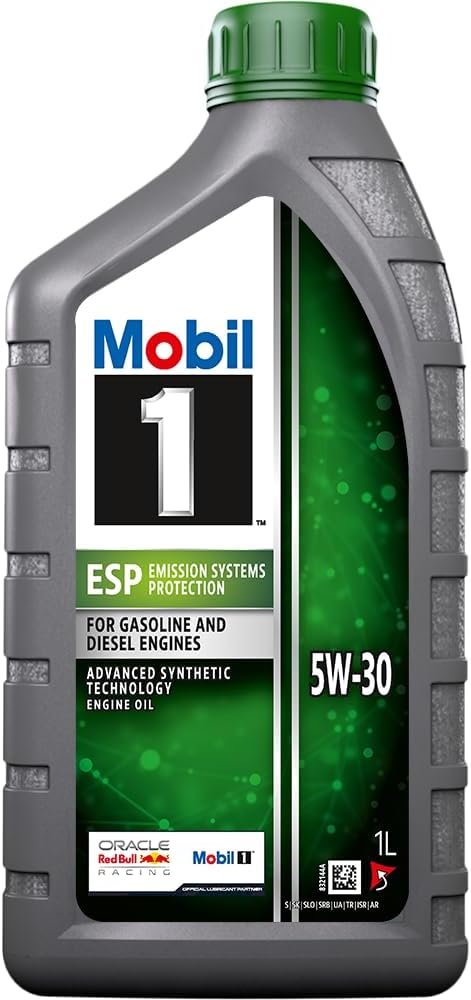
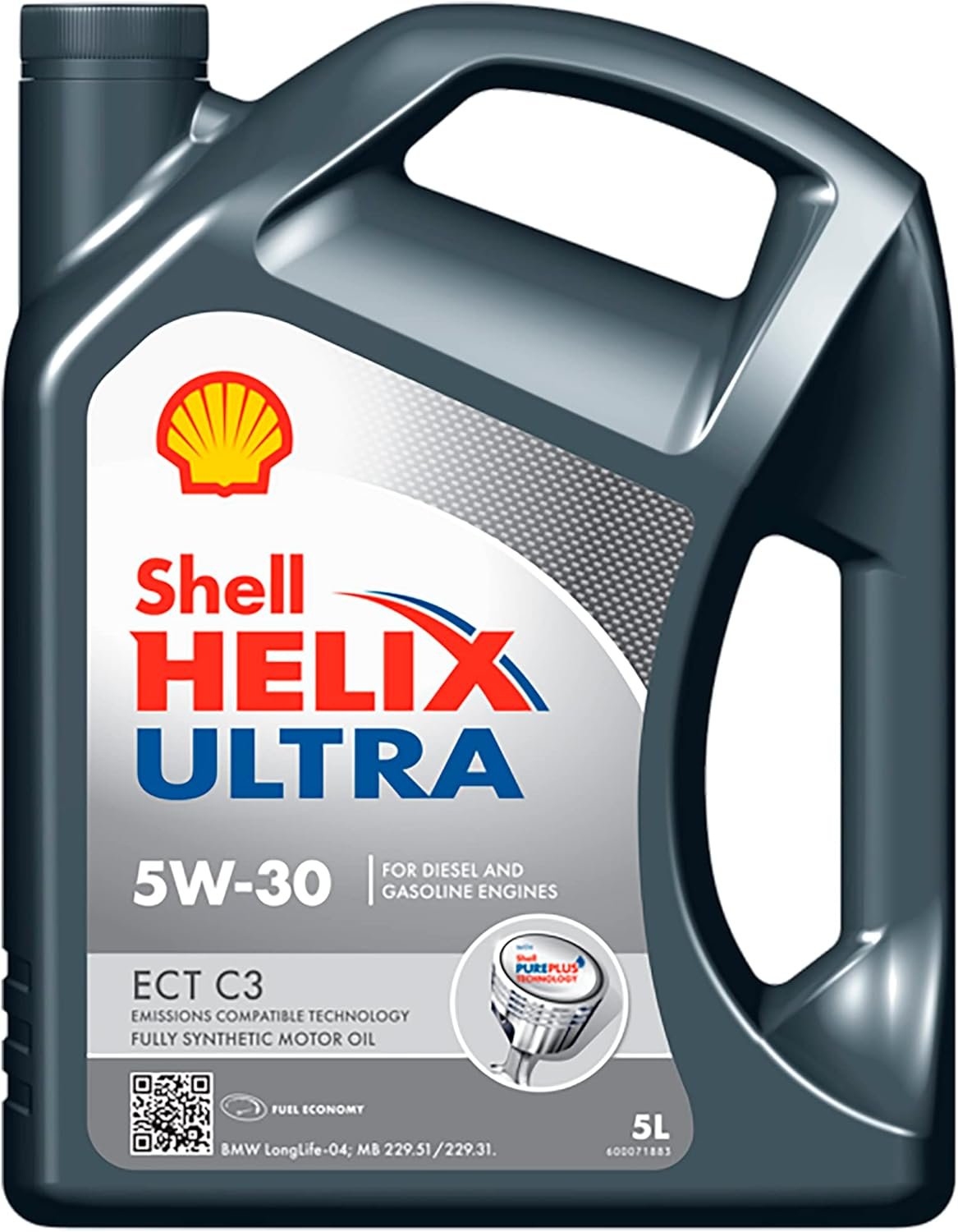
Castrol EDGE Professional is the factory partner’s choice, with Mobil 1 ESP Formula, Shell Helix Ultra ECT C3, and Total Quartz INEO LongLife as fully approved alternatives. Stay with VW-approved oils, change at fixed intervals rather than relying on LongLife calculations, and address water pump and PCV issues promptly. The Golf 7 1.4 TSI is a thoroughly competent engine that asks only for competent maintenance in return.
Our Top Picks
As an Amazon Associate, we may earn from qualifying purchases. This doesn't affect our recommendations — we only suggest oils that hold the exact OEM approval for your engine.