 Oil-
Oil-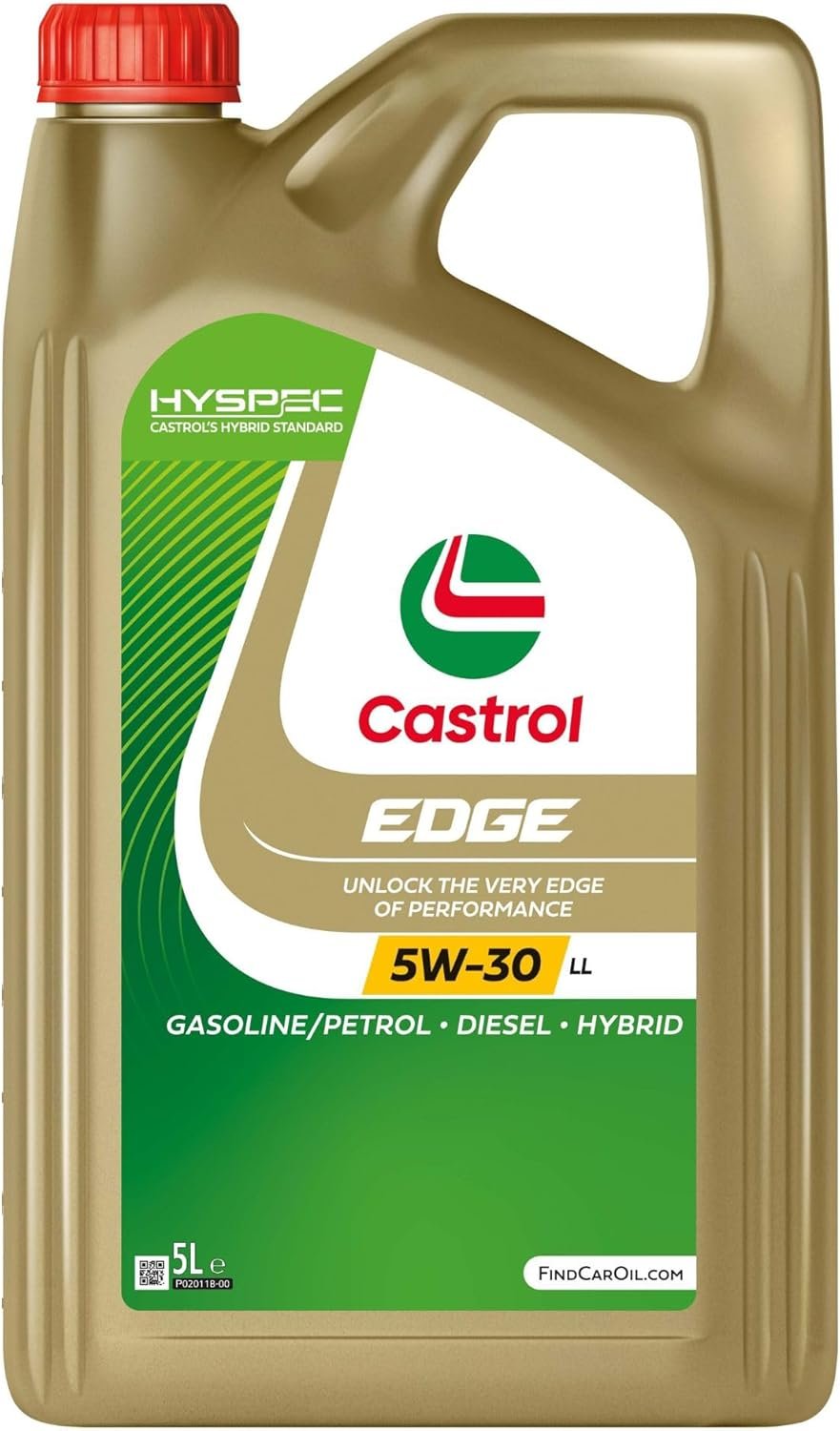
As an Amazon Associate, we may earn from qualifying purchases. This doesn't affect our recommendations — we only suggest oils that hold the exact OEM approval for your engine.
Best Engine Oil for Volkswagen Golf 7 2.0 TDI (150 HP)
The Volkswagen Golf 7 2.0 TDI is one of the most significant diesel engines in European motoring history, and not only for its engineering merits. The EA288 engine family that powers it was introduced in 2012 as a clean-sheet replacement for the EA189 — the engine at the centre of the 2015 Dieselgate emissions scandal. The EA288, carrying engine codes CRBC and CRLB in 150 HP form, was designed from the outset to meet Euro 6 emissions standards legitimately, with a diesel particulate filter, selective catalytic reduction via AdBlue injection, and exhaust gas recirculation working as intended. It produces 150 HP and 340 Nm of torque from a 1,968cc common-rail turbodiesel, delivering the relaxed motorway cruising capability and remarkable fuel economy that made the Golf TDI a fixture of British roads. Protecting this engine’s complex emissions hardware requires strict adherence to VW 507 00 oil specification — a requirement that is both more specific and more important than many owners realise.
Quick Answer: Recommended Oil
For VW Golf 7 2.0 TDI (150 HP), engine codes CRBC / CRLB:
- Recommended viscosity: SAE 5W-30
- Alternative viscosity: SAE 0W-30
- Oil capacity: 4.7 litres with filter (4.4 L without)
- Required norms: ACEA C3, VW 507 00
Key point: VW 507 00 is the diesel-specific variant of the VW 504 00 / 507 00 paired specification. While oils approved for 504 00 / 507 00 cover both petrol and diesel VW engines, the 507 00 component ensures the low-SAPS chemistry required for DPF protection. Always confirm VW 507 00 on the label for any Golf 7 TDI.
The EA288 2.0 TDI Engine
The EA288 is a 1,968cc inline four-cylinder turbodiesel with an aluminium cylinder head on a grey cast iron block. It uses common-rail fuel injection at pressures up to 1,800 bar (early variants) and 2,000 bar (later revisions), a variable-geometry turbocharger, and a timing belt driving the camshafts.
In 150 HP form, the CRBC/CRLB produces peak power at 3,500-4,000 RPM and 340 Nm of torque from 1,750-3,000 RPM. The torque delivery is exceptionally flat, providing strong in-gear acceleration from low RPM that makes the Golf 7 TDI an effortless motorway car. Paired with VW’s DSG dual-clutch automatic or a six-speed manual, the 2.0 TDI consistently achieves 50-60 mpg in real-world mixed driving.
The EA288 addressed several shortcomings of its EA189 predecessor. The block is lighter, the timing belt is a conventional dry unit (not chain-driven like some competitors), and the emissions hardware is more sophisticated. The DPF, SCR catalyst, and EGR system work together to meet Euro 6 standards without the software defeat devices that compromised the EA189.
VW 507 00: More Than Just Low-SAPS
VW 507 00 is Volkswagen’s diesel-specific oil specification, always paired with VW 504 00 (the petrol equivalent). Together, they define what Volkswagen calls “LongLife” oil — products approved for extended drain intervals under VW’s variable service regime.
What VW 507 00 requires beyond general ACEA C3 compliance:
DPF-compatible SAPS levels. The specification mandates Sulphated Ash below 0.8%, Phosphorus below 0.07%, and Sulphur below 0.3%. These limits ensure the DPF does not accumulate metallic ash faster than the regeneration system can manage. An oil meeting ACEA C3 without VW 507 00 approval may have slightly higher SAPS levels that VW considers incompatible with its DPF design.
Extended drain stability. VW 507 00 oils must maintain their protective properties for up to 30,000 km (18,600 miles) under VW’s LongLife service conditions. This demands exceptional oxidation resistance, viscosity stability under soot loading, and TBN (Total Base Number) retention to neutralise acids from EGR-contaminated combustion gases.
Cold-start protection. The specification requires precise low-temperature pumpability and flow characteristics to protect the turbocharger bearings and hydraulic tappets during the first few seconds of engine operation, before oil pressure stabilises.
The DPF and Regeneration Cycle
The diesel particulate filter captures soot particles from the exhaust. When the ECU detects sufficient soot accumulation (based on differential pressure sensor readings), it triggers passive or active regeneration.
Passive regeneration occurs naturally during sustained motorway driving when exhaust temperatures are high enough to oxidise soot without intervention. This is the ideal scenario and produces no noticeable symptoms.
Active regeneration is triggered by the ECU when passive regeneration has been insufficient. The engine injects additional fuel late in the combustion cycle to raise exhaust temperatures above 600°C, burning the soot into harmless CO2 and water vapour. During active regeneration, you may notice slightly higher idle speed, the cooling fan running after engine shutdown, and a brief smell from the exhaust. The process takes 10-20 minutes and requires the car to be driven continuously. Switching off the engine mid-regeneration aborts the process and allows more soot to accumulate.
The role of oil specification: Every combustion cycle burns a tiny amount of oil that passes the piston rings. The ash from this oil accumulates permanently in the DPF alongside the soot. VW 507 00’s low-SAPS formulation minimises this ash production. Using high-SAPS oil in the Golf 7 TDI will not cause immediate failure, but over 50,000-80,000 miles, the accumulated ash reduces the DPF’s effective volume and eventually forces premature replacement at £800-1,500.
Timing Belt: Scheduled Replacement Required
The EA288 uses a conventional dry timing belt driving the camshafts, with a recommended replacement interval of 130,000 miles or 210,000 km under VW’s LongLife service regime. On fixed-interval servicing, VW may recommend replacement at 120,000 miles.
The timing belt replacement on the EA288 is a significant but routine job, typically costing £350-550 at an independent VW specialist including the water pump, tensioner, and idler pulleys. It is essential not to defer this replacement beyond the recommended interval. A snapped timing belt on an interference engine like the EA288 will destroy valves, pistons, and potentially the cylinder head — a repair that typically exceeds the car’s residual value.
The belt itself is not oil-dependent (it runs dry, outside the engine), but the auxiliary systems it drives — the water pump and oil pump — are critical. Regular oil changes with VW 507 00-approved products ensure the oil pump maintains correct pressure, which in turn supports the hydraulic tappets and variable-geometry turbo actuator.
Technical Specifications: 2.0 TDI EA288
| Specification | Value |
|---|---|
| Displacement | 1,968cc (2.0 litres) |
| Layout | Inline-4, transverse, iron block, aluminium head |
| Valvetrain | DOHC, 16 valves |
| Timing System | Dry timing belt |
| Turbocharger | Variable-geometry (VNT) |
| Injection | Common-rail, up to 2,000 bar |
| Power | 150 HP @ 3,500-4,000 RPM |
| Torque | 340 Nm @ 1,750-3,000 RPM |
| Emissions | Euro 6 — DPF + SCR (AdBlue) + EGR |
| Fuel Type | Diesel |
| Recommended Viscosity | SAE 5W-30 |
| Oil Capacity (without filter) | 4.4 litres |
| Oil Capacity (with filter) | 4.7 litres |
| ACEA Norm | C3 |
| VW Norm | VW 507 00 |
Best Value: Total Quartz INEO LongLife 5W-30 TotalEnergies’ fully synthetic LongLife formula meets VW 504 00 / 507 00 at a competitive price point. Reliable DPF protection with ACEA C3 performance and good soot-handling characteristics. Widely available through UK retailers and online. At £32-38 for 5 litres, it is the most affordable VW-approved option without compromising the protection the EA288 requires.
Oil Change Intervals
Volkswagen Official Recommendation:
- LongLife service: up to 18,600 miles (30,000 km) or 24 months
- Fixed service: 10,000 miles or 12 months
Recommended Practice: 10,000 miles or 12 months (fixed interval).
VW’s LongLife intervals are technically achievable with approved oils under ideal conditions, but British driving patterns — cold starts, short trips, stop-start traffic, variable weather — push the oil harder than VW’s German-calibrated service algorithm assumes. Diesel oil degrades faster than petrol oil due to soot loading, fuel dilution from regeneration cycles, and acid accumulation from EGR gases. The Golf 7 TDI’s 4.7-litre sump is adequate but not generous for a 2.0-litre diesel.
Consider 8,000-mile intervals if:
- Predominantly urban driving with frequent DPF regeneration cycles
- Annual mileage under 10,000 (annual change regardless)
- DPF warning light has appeared previously
- Oil appears very dark and gritty before the service indicator triggers
- The car has unknown service history
Common Golf 7 2.0 TDI Problems Related to Oil
EGR Valve Carbon Buildup: The exhaust gas recirculation system reintroduces exhaust gases containing soot and carbon into the intake. Over time, carbon deposits accumulate on the EGR valve and in the intake manifold, restricting airflow and causing rough idle, power loss, and fault codes. Quality oil with effective detergent properties helps reduce the oil-derived component of these deposits, though the primary cause is the EGR system design itself.
Dual-Mass Flywheel Wear: The DMF absorbs torsional vibrations from the diesel engine’s combustion pulses. Worn DMFs produce a rattling noise at idle and can cause clutch judder. While not directly oil-related, a DMF failure often prompts a clutch replacement, and the combined cost (£800-1,200) makes preventive maintenance of all engine systems worthwhile.
Oil Dilution from Regeneration: During active DPF regeneration, extra fuel is injected into the cylinders. Some of this fuel washes past the piston rings into the sump, diluting the oil. Over time, this can raise the oil level above the maximum mark and reduce the oil’s viscosity. Check the dipstick regularly. If the level rises, the oil needs changing regardless of mileage.
Conclusion
The Volkswagen Golf 7 2.0 TDI requires SAE 5W-30 engine oil meeting ACEA C3 and VW 507 00, with a capacity of 4.7 litres including the filter. The EA288 is a mature, well-proven diesel engine that delivers exceptional real-world fuel economy and motorway refinement. Its complex emissions hardware — DPF, SCR, and EGR — demands correct oil specification for long-term reliability.
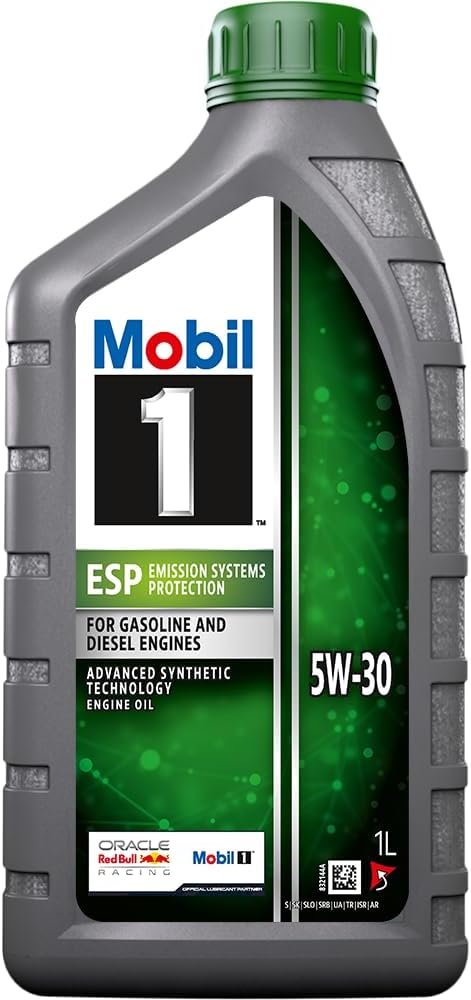
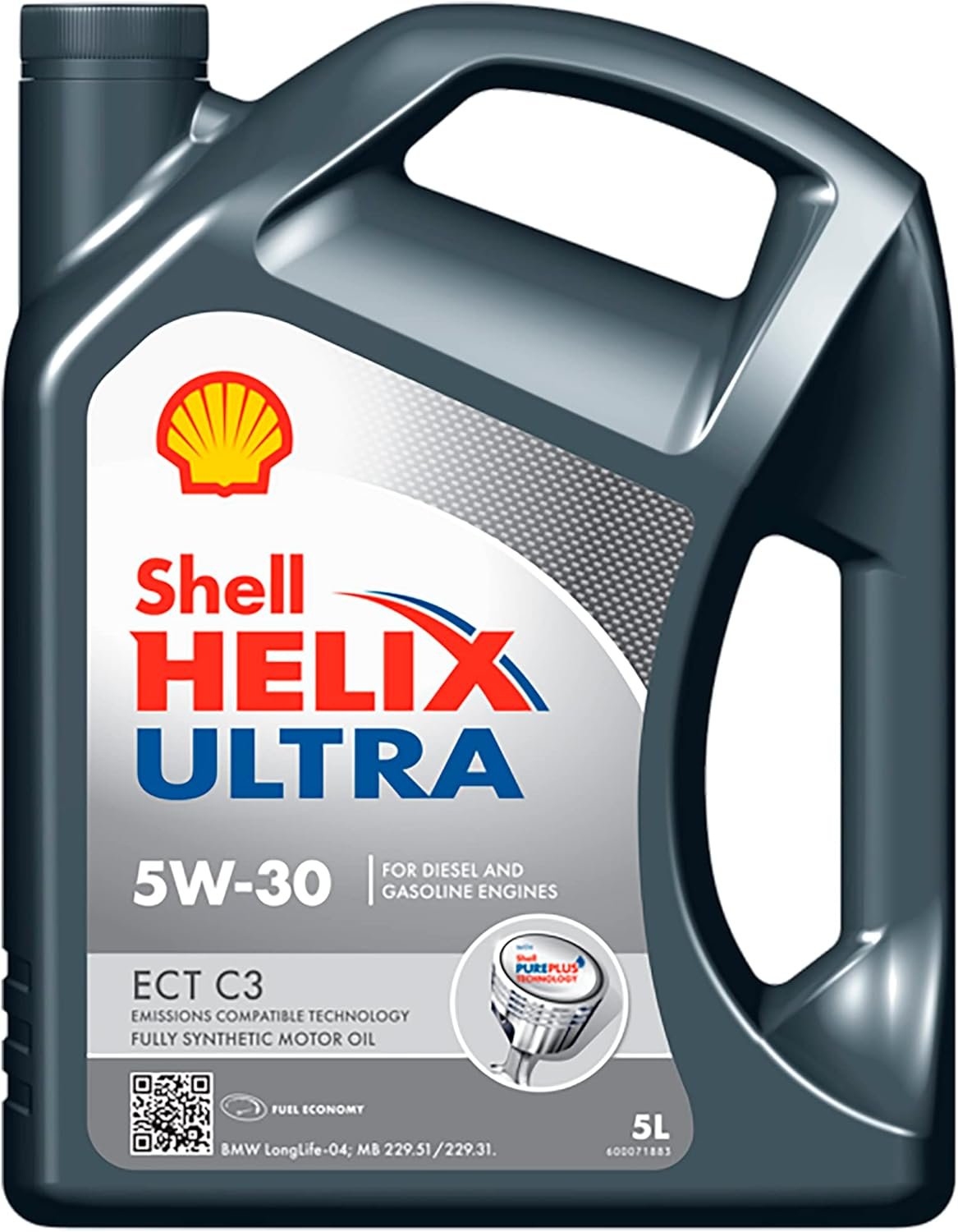
Castrol EDGE Professional LL III 5W-30 is the factory partner’s choice. Mobil 1 ESP Formula 5W-30, Shell Helix Ultra ECT C3 5W-30, and Total Quartz INEO LongLife 5W-30 all carry full VW 507 00 approval. Use fixed-interval servicing at 10,000 miles, allow DPF regeneration cycles to complete, check the dipstick for fuel dilution, and replace the timing belt on schedule. The Golf 7 TDI rewards attentive ownership with reliable, economical service for 200,000 miles and beyond.
Our Top Picks
As an Amazon Associate, we may earn from qualifying purchases. This doesn't affect our recommendations — we only suggest oils that hold the exact OEM approval for your engine.