 Oil-
Oil-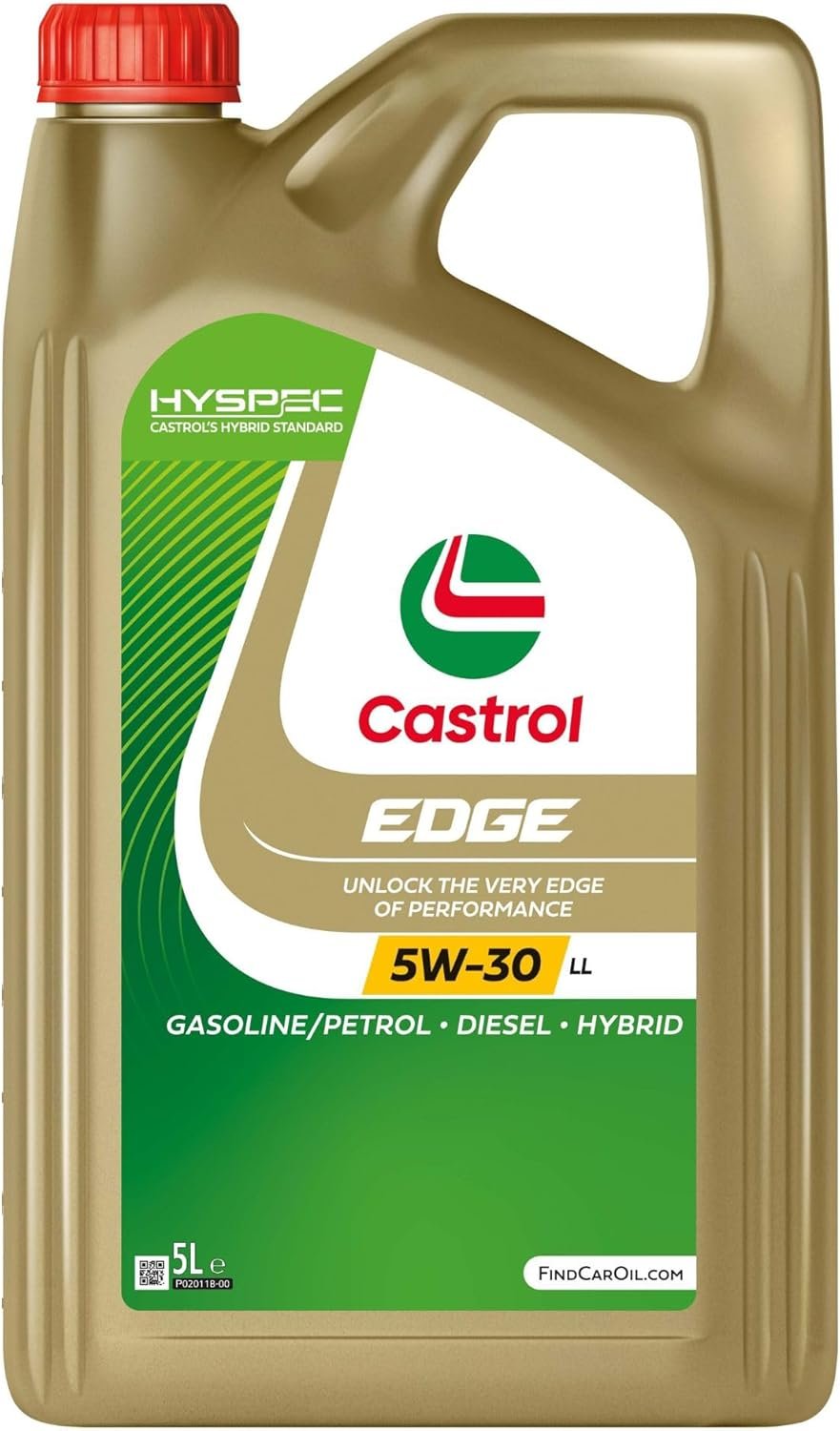
As an Amazon Associate, we may earn from qualifying purchases. This doesn't affect our recommendations — we only suggest oils that hold the exact OEM approval for your engine.
Best Engine Oil for Volkswagen T-Roc 1.0 TSI (110 HP)
The Volkswagen T-Roc brought crossover styling and a raised driving position to the Golf platform in 2017, and its entry-level 1.0 TSI three-cylinder has become one of the most popular engine choices in the UK. The DKLA engine code identifies the EA211 EVO — a significant evolution of the EA211 family that powered the Golf 7, featuring Miller cycle combustion, a variable turbine geometry (VTG) turbocharger, and a return to timing chain rather than belt. Producing 110 HP and 200 Nm from just 999cc, the three-cylinder provides adequate performance for a compact SUV while delivering fuel economy figures that rival many superminis. Understanding the EA211 EVO’s engineering explains why correct oil specification matters for its longevity.
Quick Answer: Recommended Oil
For VW T-Roc 1.0 TSI (110 HP), engine code DKLA:
- Primary specification: VW 504 00 / 507 00 with SAE 5W-30
- Alternative: VW 508 00 / 509 00 with SAE 0W-20
- Oil capacity: 4.0 litres with filter (3.7 L without)
The EA211 EVO: What Changed
The EA211 EVO represents a substantial redesign compared to the original EA211 1.4 TSI found in the Golf 7. Volkswagen retained the aluminium block and basic architecture but introduced several technologies that affect both performance and maintenance:
Miller Cycle Combustion: The EA211 EVO uses Miller cycle timing, where the intake valves close earlier than in a conventional Otto cycle. This creates expansion stroke that is longer than the compression stroke, extracting more energy from combustion gases and improving thermal efficiency by approximately 10%. The trade-off is reduced low-RPM torque, which the VTG turbocharger compensates for.
Variable Turbine Geometry (VTG): Unlike the wastegate turbo on the original EA211, the EVO uses a variable-geometry turbine. VTG adjusts the angle of guide vanes in the turbine housing to optimise boost across the entire RPM range. At low RPM, the vanes close to accelerate exhaust gas flow; at high RPM, they open to prevent over-boost. This technology was previously restricted to diesel engines because petrol exhaust temperatures can damage VTG components. The EA211 EVO achieves petrol VTG durability through a water-cooled turbine housing and heat-resistant vane materials.
Timing Chain: The original EA211 used a dry timing belt. The EVO returns to a timing chain, eliminating scheduled belt replacement. The chain is maintenance-free for the engine’s lifetime under normal conditions, though chain stretch is possible at very high mileages (200,000+ miles) if oil quality has been consistently poor.
SUV Weight and Three-Cylinder Stress
The T-Roc weighs approximately 1,300 kg — significantly more than the Polo (1,100 kg) that also uses the DKLA engine. This 200 kg difference means the three-cylinder works harder in the T-Roc, particularly during motorway acceleration, overtaking, and hill climbing. The turbocharger spools more frequently and maintains boost for longer, increasing oil temperatures in the turbo bearing housing.
The T-Roc’s raised ride height and larger frontal area also increase aerodynamic drag compared to a conventional hatchback. At 70 mph, the engine operates at higher load than it would in a Polo or Golf at the same speed. This sustained loading is well within the engine’s design envelope but demands oil that maintains its protective properties under prolonged thermal stress.
The 4.0-litre oil capacity is identical to the Polo and Golf applications — the same volume of oil manages more heat in the heavier T-Roc. This makes oil quality and change intervals proportionally more important.
Carbon Buildup from Direct Injection
The EA211 EVO uses direct fuel injection, which delivers fuel directly into the combustion chamber rather than over the intake valves. This provides precise fuel metering for better efficiency and lower emissions, but it means no fuel washing occurs on the intake valve stems. Over time, oil vapour from the PCV (positive crankcase ventilation) system combines with intake air to form hard carbon deposits on the intake valves.
Carbon buildup gradually restricts airflow into the cylinders, causing rough idle, misfires, hesitation under acceleration, and reduced power. The three-cylinder configuration makes these symptoms more noticeable than on four-cylinder engines because each cylinder handles a larger proportion of total combustion events.
VW 504 00-approved oils are formulated with base stocks that produce fewer volatile compounds entering the PCV system, and effective detergent additives help manage deposits throughout the engine. Walnut blasting of the intake ports is the accepted remedy when symptoms appear, typically between 60,000 and 100,000 miles.
Technical Specifications: 1.0 TSI EA211 EVO
| Specification | Value |
|---|---|
| Displacement | 999cc (1.0 litre) |
| Layout | Inline-3, transverse, aluminium block and head |
| Valvetrain | DOHC, 12 valves |
| Timing System | Timing chain (maintenance-free) |
| Combustion Cycle | Miller cycle |
| Turbocharger | Variable Turbine Geometry (VTG), water-cooled |
| Power | 110 HP @ 5,500 RPM |
| Torque | 200 Nm @ 2,000-3,500 RPM |
| Fuel Type | Petrol, 95 RON minimum |
| Recommended Viscosity | SAE 5W-30 (primary) / SAE 0W-20 (alternative) |
| Oil Capacity (without filter) | 3.7 litres |
| Oil Capacity (with filter) | 4.0 litres |
| ACEA Norm | C3 |
| VW Norm | VW 504 00 / 507 00 |
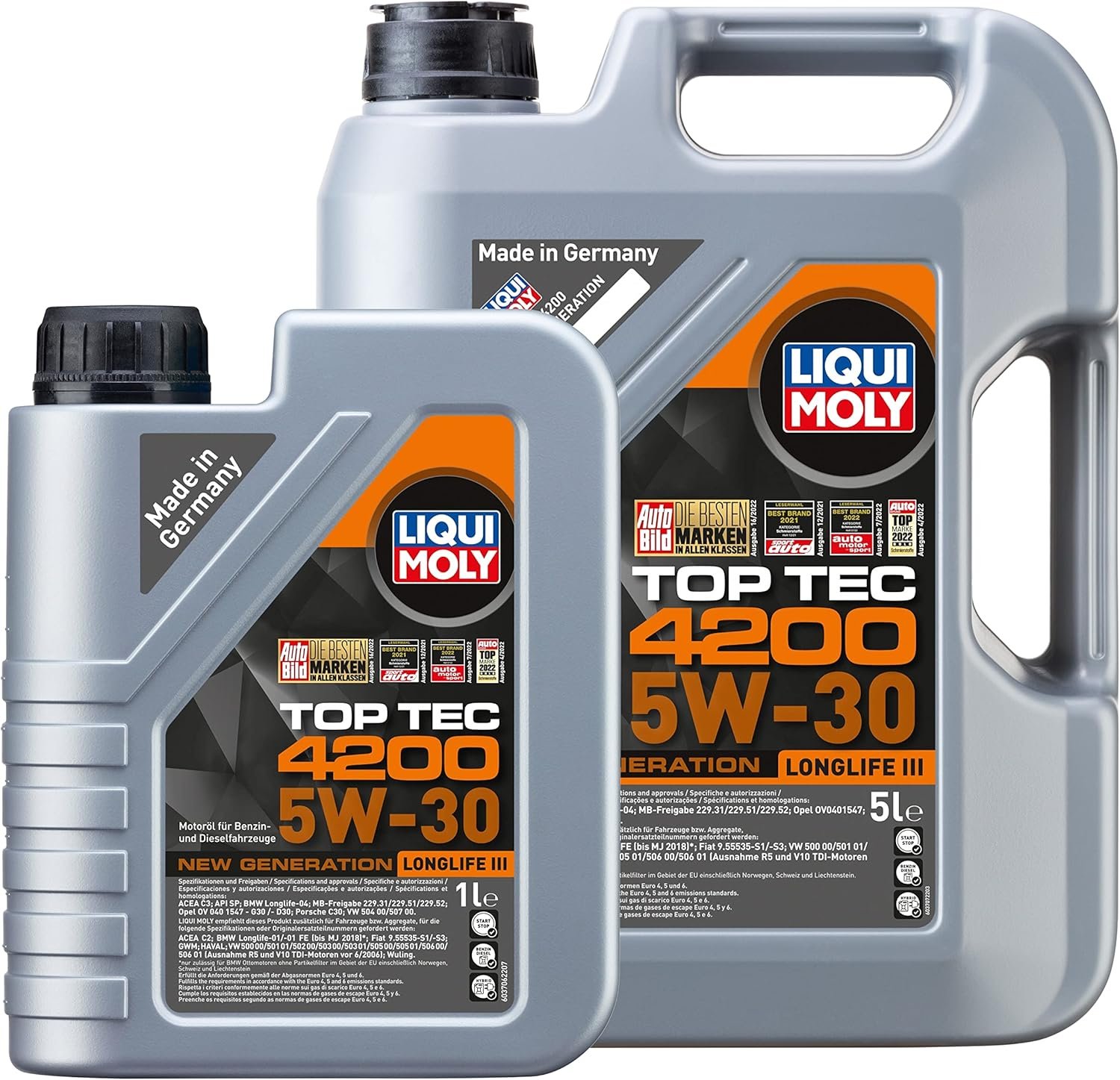
Best Value: Total Quartz INEO LongLife 5W-30 TotalEnergies’ VW 504 00 / 507 00-approved formula at a competitive price. Reliable protection for the EA211 EVO’s timing chain, turbo bearings, and three-cylinder bearings. At £32-38 for 5 litres.
Oil Change Intervals
Volkswagen Official Recommendation:
- LongLife service: up to 18,600 miles or 24 months
- Fixed service: 10,000 miles or 12 months
Recommended Practice: 10,000 miles or 12 months (fixed interval).
Consider 8,000-mile intervals if:
- Predominantly short urban trips under 10 miles
- The T-Roc is used primarily for school runs and errands
- Oil level drops noticeably between services
- The vehicle has passed 60,000 miles
- Previous service history is unknown
Conclusion
The Volkswagen T-Roc 1.0 TSI requires SAE 5W-30 (or 0W-20) engine oil meeting VW 504 00 / 507 00, with a capacity of 4.0 litres including the filter. The EA211 EVO’s Miller cycle combustion, VTG turbocharger, and timing chain represent a modern and efficient powertrain that demands quality lubricant to protect its sophisticated components.
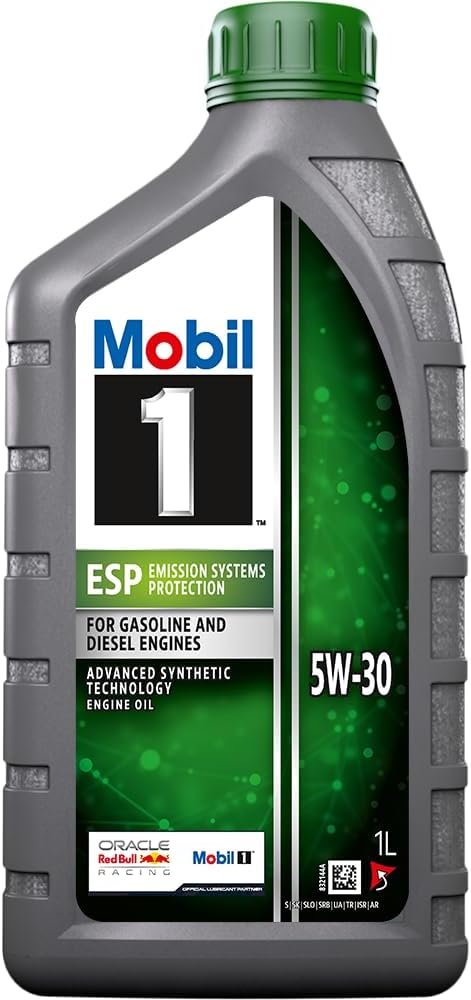
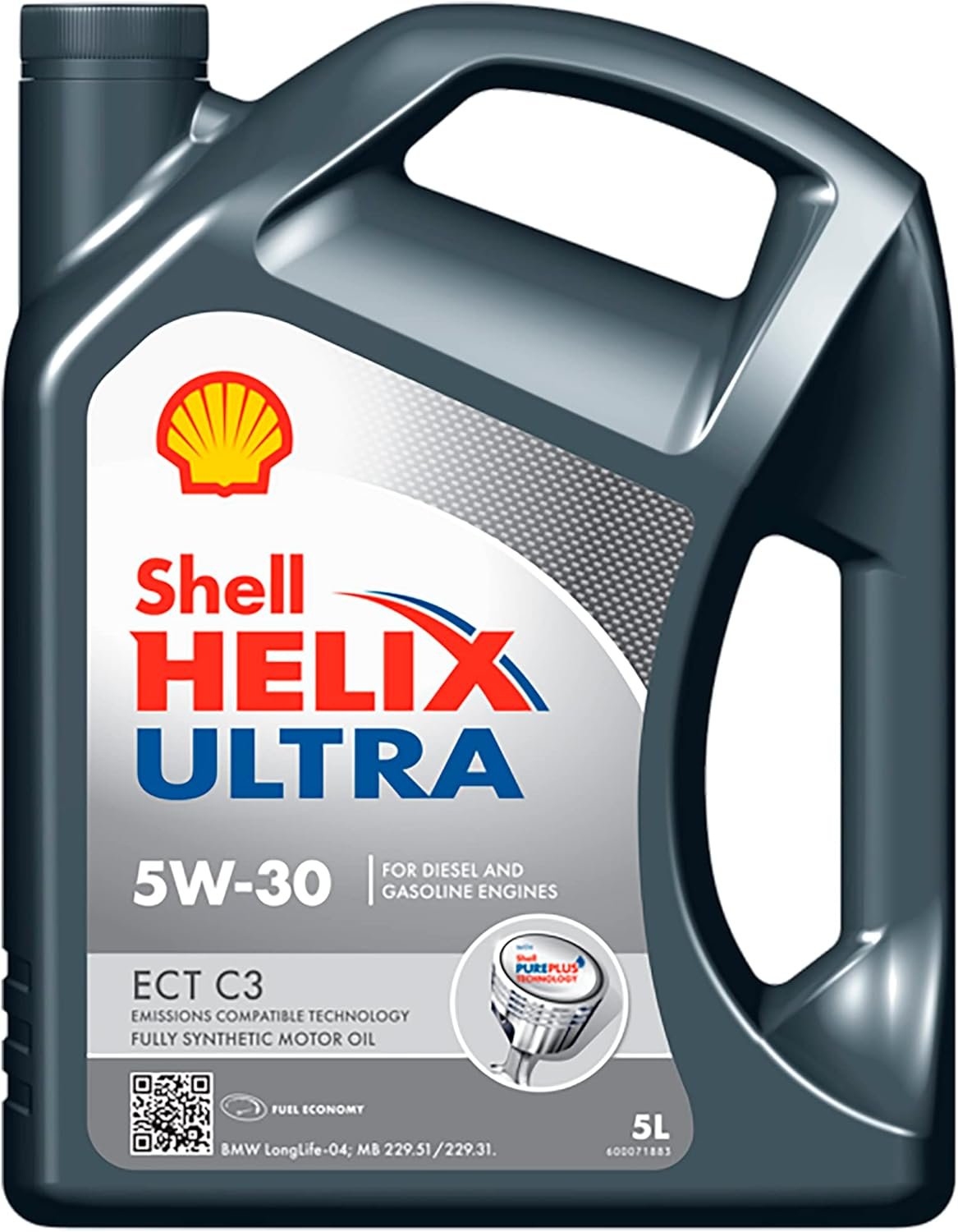
Castrol EDGE Professional LL IV FE 0W-20 is the factory partner’s latest recommendation, with Mobil 1 ESP Formula, Shell Helix Ultra ECT C3, and Total Quartz INEO LongLife in 5W-30 as proven alternatives. The T-Roc’s SUV weight makes oil quality proportionally more important than in lighter hatchbacks sharing this engine. Stay with VW-approved oils, change at fixed intervals, and the EA211 EVO will deliver efficient, reliable service for many years.
Our Top Picks
As an Amazon Associate, we may earn from qualifying purchases. This doesn't affect our recommendations — we only suggest oils that hold the exact OEM approval for your engine.