 Oil-
Oil-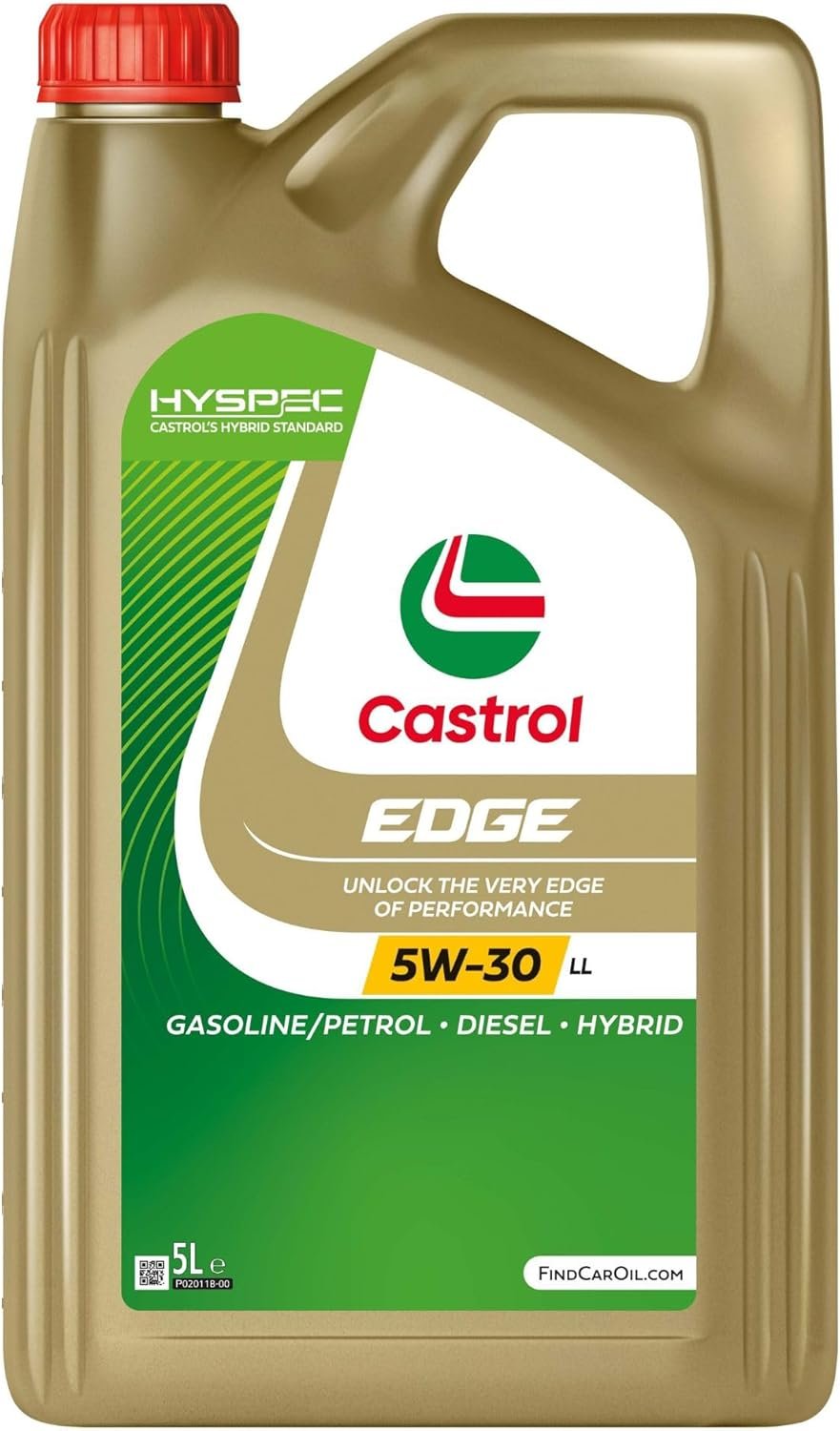
As an Amazon Associate, we may earn from qualifying purchases. This doesn't affect our recommendations — we only suggest oils that hold the exact OEM approval for your engine.
Best Engine Oil for Audi A1 1.0 TFSI (95/110 HP)
The second-generation Audi A1 (2019+) brought the brand’s premium small car onto the MQB A0 platform shared with the Volkswagen Polo 6 and SEAT Ibiza 6F. Its entry-level powertrain is the 1.0 TFSI three-cylinder turbo from the EA211 EVO family — the same engine found across the VW Group small car range but wearing Audi’s badge and carrying Audi’s service expectations. Available in 95 HP (DKRF, 25 TFSI) and 110 HP (DKLA, 30 TFSI) variants, the three-cylinder delivers adequate performance for a premium supermini while achieving strong fuel economy. The Audi badge does not change the engine’s oil requirements — it needs VW 504 00 specification, the same as every other EA211 EVO application — but the A1’s typical ownership profile and Audi’s service infrastructure create some differences worth understanding.
Quick Answer: Recommended Oil
For Audi A1 1.0 TFSI (95/110 HP):
- Primary specification: VW 504 00 / 507 00 with SAE 5W-30
- Alternative: VW 508 00 / 509 00 with SAE 0W-20
- Oil capacity: 4.5 litres with filter (4.2 L without)
Same Engine, Premium Context
The DKLA (110 HP) and DKRF (95 HP) engines are mechanically identical to those in the VW Polo and T-Roc. The architecture is the same: 999cc inline three-cylinder, aluminium block and head, Miller cycle combustion, variable turbine geometry turbocharger, timing chain, and direct fuel injection. The 95 HP variant uses a software-limited ECU calibration; the 110 HP runs the full calibration.
The A1’s oil capacity is 4.5 litres with filter — marginally larger than the Polo’s 4.0 litres due to a slightly different sump design for the A1’s specific underbody packaging. This additional 0.5 litres provides a small but welcome thermal mass buffer.
What changes in the Audi context is the service environment and ownership expectations:
Audi Service. The A1 is typically serviced at Audi dealerships rather than VW centres. Audi dealers stock and use the same VW-approved oils (Castrol EDGE Professional is the factory fill across both brands), but Audi service pricing is higher. Independent specialists offering VW Group expertise can service the A1 identically at lower cost — the engine is the same.
Urban Ownership. The A1 is overwhelmingly an urban car. Premium supermini buyers in the UK typically use them for city driving, commuting, and short trips. This driving pattern exposes the EA211 EVO to more cold starts, less time at operating temperature, and greater fuel dilution from direct injection than the engine experiences in T-Roc or Polo owners who cover more motorway miles.
EA211 EVO Technologies
Miller Cycle: Early intake valve closure creates an expansion ratio greater than the compression ratio, improving thermal efficiency by approximately 10%. The trade-off is reduced natural aspiration torque, compensated entirely by the turbocharger.
VTG Turbocharger: The variable turbine geometry turbo adjusts guide vanes to optimise boost from idle to redline. Previously exclusive to diesel engines, the VTG on the EA211 EVO uses heat-resistant materials and water cooling to survive petrol exhaust temperatures. This eliminates turbo lag and provides a flat torque curve from 2,000 RPM.
Timing Chain: The EA211 EVO returned to a timing chain after the original EA211 used a timing belt. The chain is maintenance-free for the engine’s lifetime. Chain stretch is theoretically possible at very high mileages with degraded oil, but the A1’s typical urban mileage means most cars will never approach this concern.
Carbon Buildup: An A1-Specific Concern
Direct injection engines accumulate carbon deposits on the intake valves because no fuel flows over the valve stems to clean them. The A1’s predominantly urban driving pattern amplifies this issue. Short trips mean more cold starts, more time at part-throttle, and more PCV vapour condensation on cool intake valve surfaces.
VW 504 00-approved oils use lower-volatility base stocks that produce fewer PCV emissions, slowing carbon accumulation. But the buildup is progressive and inevitable on any direct injection engine. Symptoms — rough idle, slight hesitation, reduced power — typically appear between 50,000 and 80,000 miles. Walnut blasting of the intake ports is the accepted remedy.
Technical Specifications: 1.0 TFSI EA211 EVO
| Specification | Value |
|---|---|
| Displacement | 999cc (1.0 litre) |
| Layout | Inline-3, transverse, aluminium block and head |
| Valvetrain | DOHC, 12 valves |
| Timing System | Timing chain (maintenance-free) |
| Combustion Cycle | Miller cycle |
| Turbocharger | Variable Turbine Geometry (VTG), water-cooled |
| Power | 95 HP (DKRF) / 110 HP (DKLA) |
| Torque | 175 Nm (95 HP) / 200 Nm (110 HP) |
| Fuel Type | Petrol, 95 RON minimum |
| Recommended Viscosity | SAE 5W-30 / SAE 0W-20 |
| Oil Capacity (without filter) | 4.2 litres |
| Oil Capacity (with filter) | 4.5 litres |
| ACEA Norm | C3 |
| VW Norm | VW 504 00 / 507 00 |
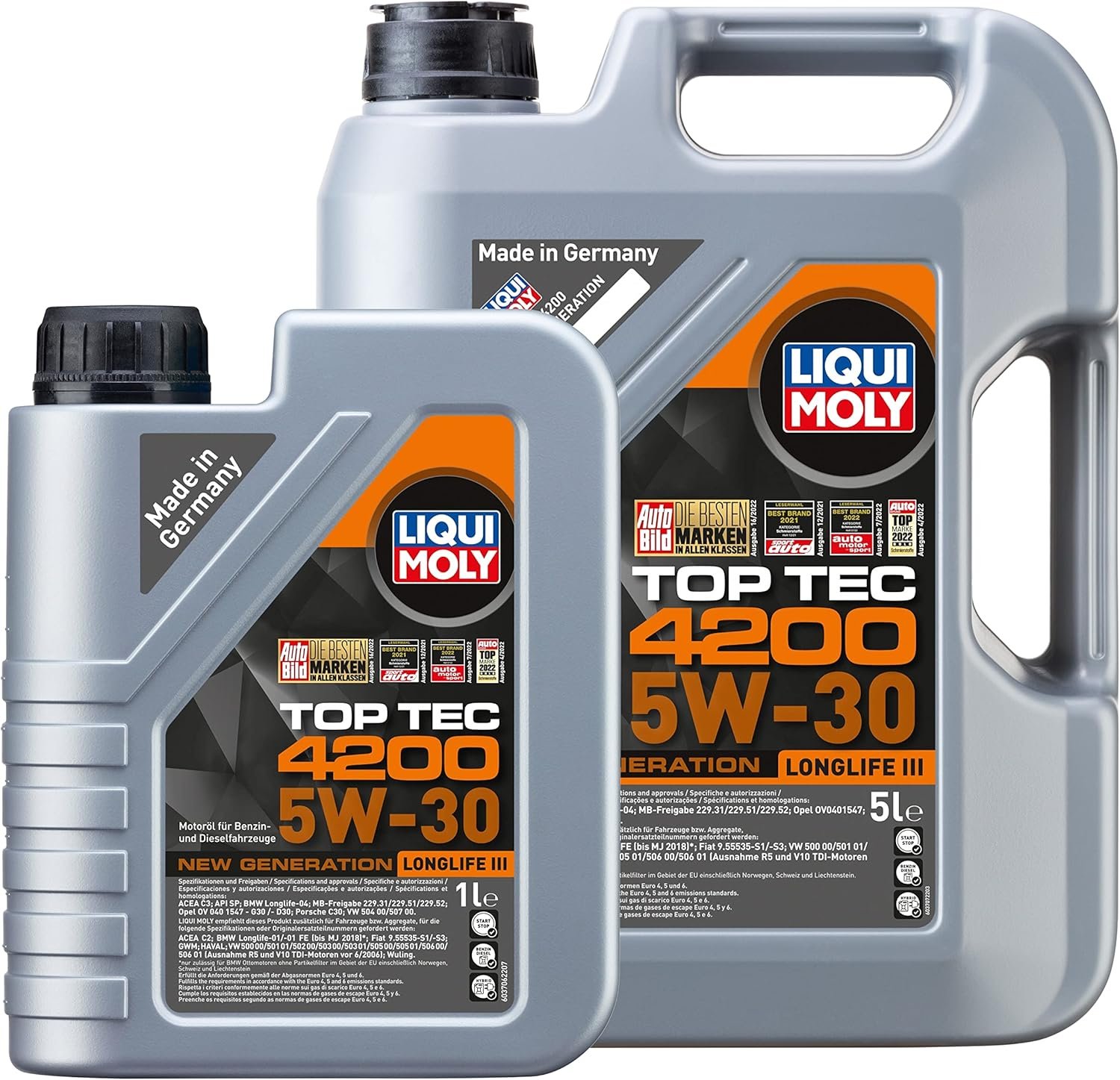
Best Value: Total Quartz INEO LongLife 5W-30 TotalEnergies’ VW-approved formula at competitive pricing. Reliable protection for the EA211 EVO at a lower per-change cost. At £32-38 for 5 litres.
Oil Change Intervals
Audi Official Recommendation:
- LongLife service: up to 18,600 miles or 24 months
- Fixed service: 9,300 miles or 12 months
Recommended Practice: 9,000-10,000 miles or 12 months.
Audi’s fixed service interval is marginally shorter than VW’s (9,300 vs 10,000 miles), reflecting the premium brand’s service positioning. For predominantly urban A1 owners, annual changes regardless of mileage are recommended because the oil accumulates moisture and fuel dilution from short-trip driving faster than distance-based intervals account for.
Conclusion
The Audi A1 1.0 TFSI requires SAE 5W-30 (or 0W-20) engine oil meeting VW 504 00 / 507 00, with a capacity of 4.5 litres including the filter. The engine is shared with the VW Polo and SEAT Ibiza — the Audi badge does not change the oil specification, the oil capacity, or the maintenance requirements.
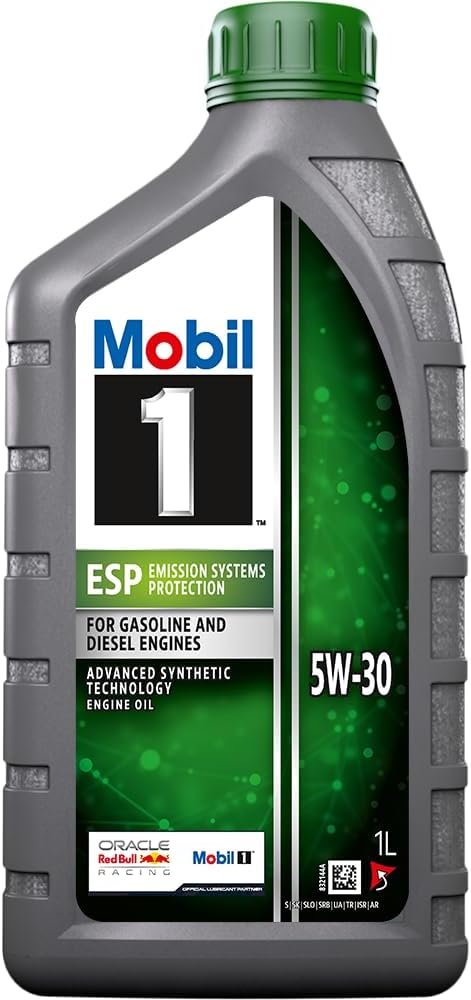
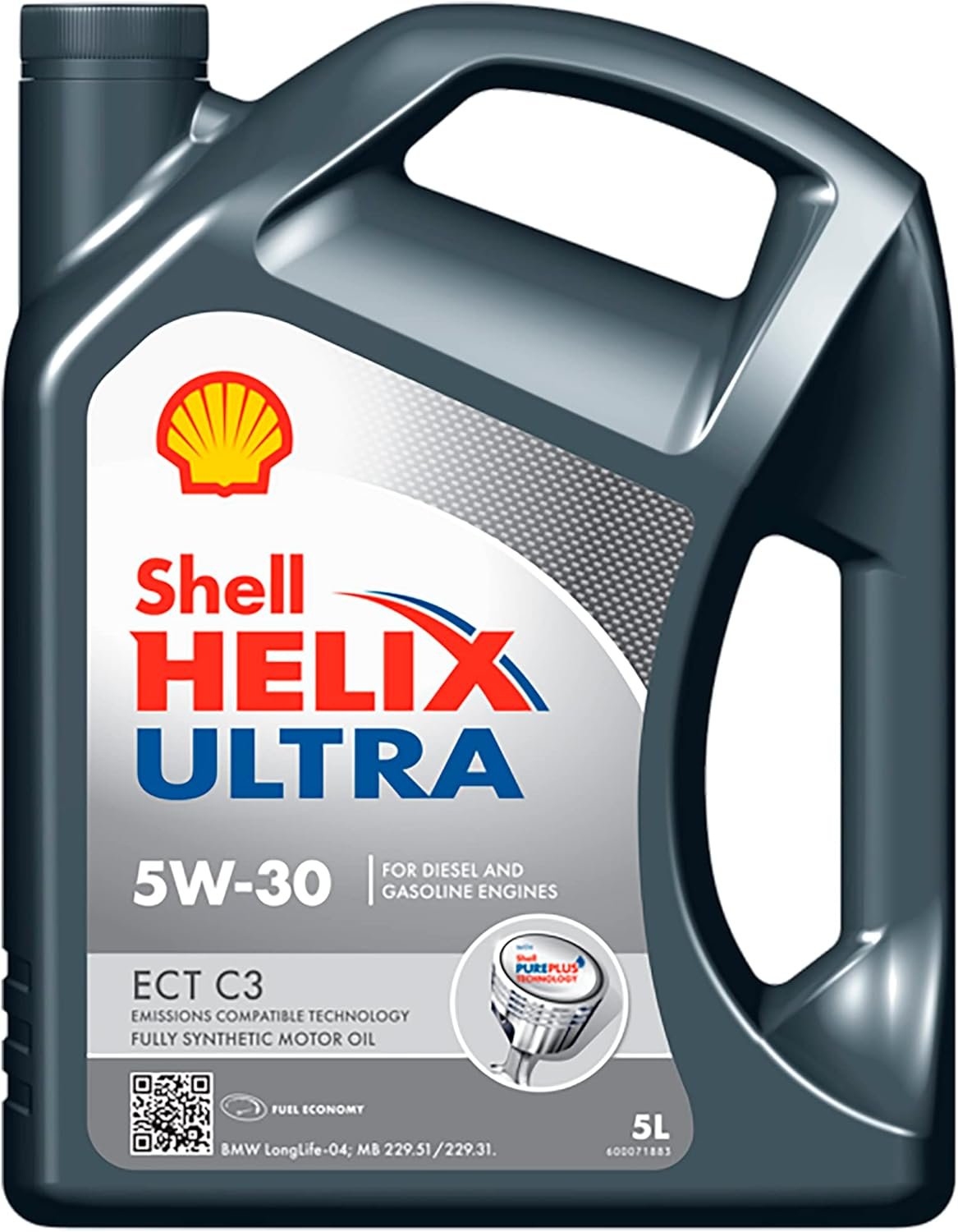
Castrol EDGE Professional LL IV FE 0W-20 is the factory-fill choice across both Audi and VW. Mobil 1 ESP Formula, Shell Helix Ultra ECT C3, and Total Quartz INEO LongLife in 5W-30 are proven alternatives. The A1’s urban bias makes annual oil changes and carbon buildup awareness particularly important. Stay with VW Group-approved oils and the EA211 EVO will deliver efficient, refined service for the A1’s lifetime.
Our Top Picks
As an Amazon Associate, we may earn from qualifying purchases. This doesn't affect our recommendations — we only suggest oils that hold the exact OEM approval for your engine.