 Oil-
Oil-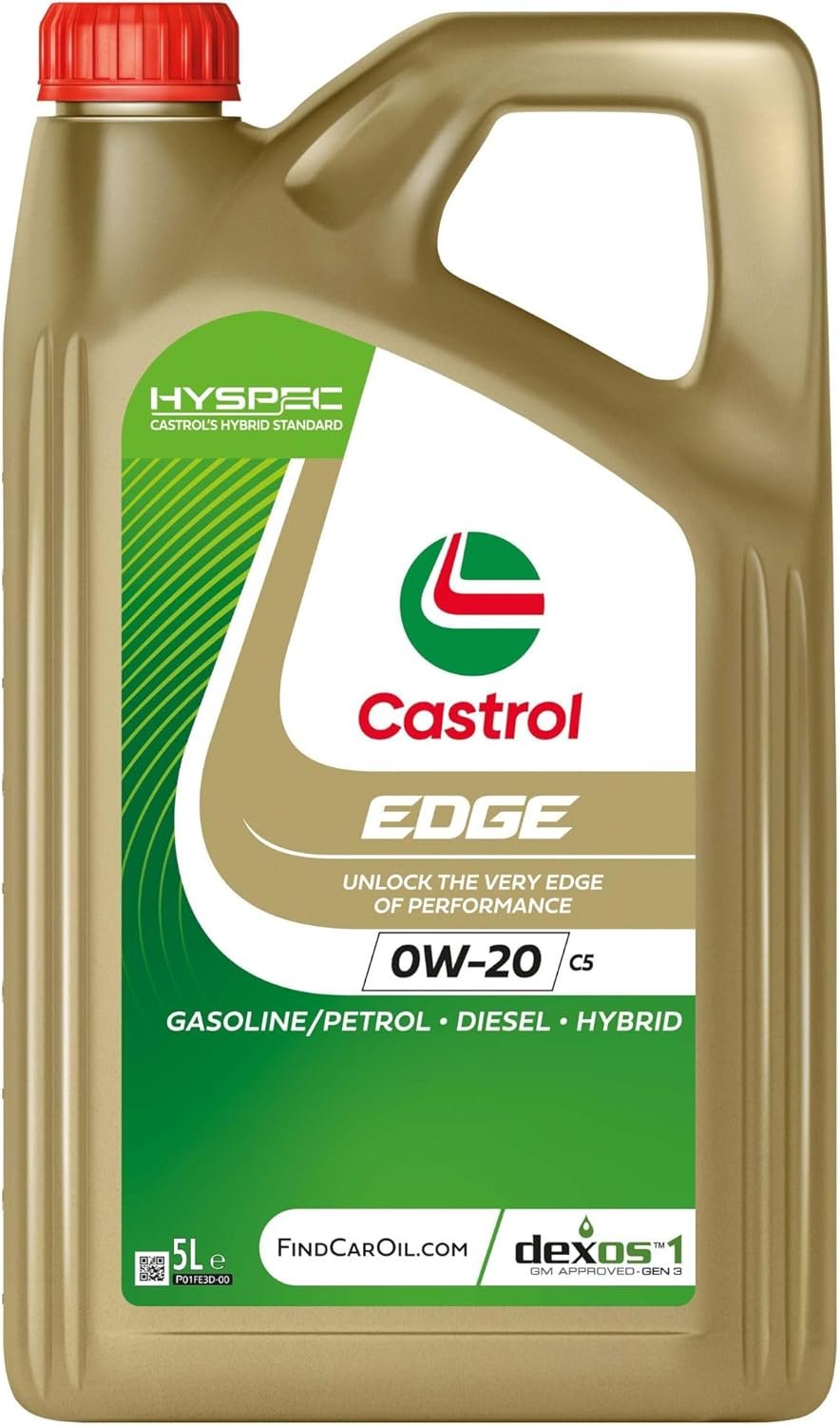
As an Amazon Associate, we may earn from qualifying purchases. This doesn't affect our recommendations — we only suggest oils that hold the exact OEM approval for your engine.
Best Engine Oil for Honda Civic 11th Gen 1.5L Turbo (180 HP) — L15CA
The eleventh-generation Honda Civic (FE, 2022-present) powered by the 1.5-liter turbocharged L15CA engine is one of the most compelling compact sedans on the American market. It is also an engine that demands informed ownership. The L15CA is a direct descendant of the L15B family that earned Honda both praise for efficiency and notoriety for oil dilution, a problem that triggered class action litigation, thousands of NHTSA complaints, and extended warranty coverage across multiple Honda models. Honda made real improvements for the 11th gen Civic, including a redesigned thermostat housing and revised ECU calibrations, but oil dilution has not been eliminated. Catastrophic engine failure has been reported at mileages as low as 11,000 miles in documented cases. If you own this car and are not actively monitoring your oil, you are gambling with an engine that has a known and well-documented vulnerability. This guide covers the correct oil specification, explains why it matters for the L15CA specifically, addresses the oil dilution issue in full, and recommends four oils proven to protect this engine under real-world US driving conditions.
Quick Answer: Recommended Oil
For Honda Civic 11th Gen 1.5L Turbo (180 HP, L15CA):
- Specification: API SP / ILSAC GF-6A
- Viscosity: SAE 0W-20
- Oil capacity: 3.7 quarts with filter (3.4 quarts without)
Critical: Only use 0W-20 full synthetic oil meeting API SP or ILSAC GF-6A. The L15CA’s bearing clearances, turbocharger oil circuit, and direct injection system are engineered around this viscosity and additive chemistry. Do not substitute 5W-20 or 5W-30 thinking it will provide better protection. A heavier oil extends warm-up times and can worsen fuel dilution by delaying the temperature at which accumulated gasoline evaporates from the crankcase.
The L15CA Engine
The L15CA is a 1,498cc turbocharged inline four-cylinder that produces 180 horsepower at 6,000 RPM and 177 lb-ft of torque from 1,700 to 5,000 RPM. It powers the 2022 and later Honda Civic sedan and hatchback in non-Si, non-Type R trim and pairs with either a CVT or a six-speed manual transmission. The engine uses high-pressure direct fuel injection, a single-scroll turbocharger with an electronically controlled wastegate, dual VTC (Variable Timing Control) on both intake and exhaust camshafts, and a compression ratio of 10.3:1, which is notably high for a turbocharged engine.
Honda developed the L15CA as a refinement of the L15B family that debuted in the 10th generation Civic. The fundamental architecture is shared: the bore, stroke, block material, and valvetrain layout are carried over. What changed for the 11th gen includes updated piston ring coatings, a redesigned thermostat housing intended to bring the engine to operating temperature faster, revised ECU fuel injection mapping during cold starts, and recalibrated PCV (Positive Crankcase Ventilation) routing. These changes were made specifically to address the oil dilution problem that plagued the 10th gen Civic and the 5th gen CR-V. They help. They do not solve the problem entirely.
The 10.3:1 compression ratio is central to both the engine’s efficiency and its oil dilution vulnerability. Higher compression generates greater cylinder pressure, which pushes more unburned fuel past the piston rings during cold-start enrichment events when combustion is incomplete and thermal clearances are at their widest. The turbocharger compounds the thermal demands on the oil, with exhaust-side turbine temperatures exceeding 1,000 degrees F during sustained driving. The center bearing of the turbo relies entirely on engine oil for lubrication and heat dissipation. When that oil is contaminated with gasoline and running thinner than designed, the turbo bearing is one of the first components to suffer accelerated wear.
Technical Specifications: 1.5L Turbo (L15CA)
| Specification | Value |
|---|---|
| Displacement | 1,498cc (1.5 liters) |
| Layout | Inline-4, transverse, aluminum block |
| Valvetrain | DOHC, 16 valves, dual VTC, timing chain |
| Turbocharger | Single-scroll, electronically controlled wastegate |
| Power | 180 HP @ 6,000 RPM |
| Torque | 177 lb-ft @ 1,700-5,000 RPM |
| Compression Ratio | 10.3:1 |
| Fuel Type | Regular unleaded (87 octane minimum) |
| Recommended Viscosity | SAE 0W-20 |
| Oil Capacity (without filter) | 3.4 quarts (3.2 liters) |
| Oil Capacity (with filter) | 3.7 quarts (3.5 liters) |
| Oil Specification | API SP / ILSAC GF-6A |
Oil Dilution: Still Present Despite 11th Gen Improvements
The oil dilution problem is the single most important thing to understand about the Honda Civic 1.5 Turbo, regardless of generation. Honda’s engineering changes for the 11th gen reduced the severity and frequency of dilution events compared to the 10th gen, but they did not eliminate the underlying mechanism. The L15CA is a direct-injected turbocharged engine, and direct injection in a small-displacement turbo motor creates inherent conditions for fuel to enter the crankcase.
During cold starts, the ECU commands rich fuel mixtures to stabilize combustion. High-pressure injectors spray fuel directly into the combustion chamber, and some of that fuel does not combust completely before it contacts the cylinder walls. This unburned fuel washes past the piston rings and falls into the crankcase, mixing with the engine oil. Under normal conditions, once the oil reaches full operating temperature, the accumulated gasoline evaporates and exits through the PCV system. The problem occurs when the engine never reaches that temperature.
Short trips under 15 minutes, stop-and-go commuting, frequent cold starts, and cold ambient temperatures all prevent the oil from sustaining the temperature needed to boil off fuel contamination. Each cold start adds more gasoline to the crankcase. Over weeks and months, the oil level on the dipstick rises above the maximum mark even though no oil has been added. The oil thins. It smells strongly of gasoline. Its viscosity drops below the 0W-20 grade it was designed to maintain, and its anti-wear additives become diluted along with the base stock.
Cold climates are the worst affected. Owners in Minnesota, Wisconsin, Michigan, upstate New York, and the Northeast corridor report the highest rates of dilution. When ambient temperatures drop below 30 degrees F, a ten-minute commute may never bring the oil to operating temperature. The redesigned thermostat housing in the 11th gen helps the coolant reach temperature faster, but oil temperature lags behind coolant temperature, and in truly cold conditions the improvement is not enough to prevent accumulation over repeated short trips.
Catastrophic failure is documented. While most oil dilution cases result in gradual bearing wear and increased consumption rather than sudden failure, the L15CA has produced catastrophic engine failures at extremely low mileages. A widely reported case involved complete engine failure at approximately 11,000 miles, with post-mortem analysis revealing severe bearing damage consistent with prolonged operation on fuel-diluted oil. This is not typical, but it demonstrates the upper bound of risk when dilution goes undetected and unaddressed in a sump that holds only 3.7 quarts.
Warning signs of oil dilution:
- Oil level rises above the MAX mark on the dipstick without oil being added
- Strong gasoline smell when checking the dipstick
- Fuel odor inside the cabin through the heater or ventilation
- Oil appears thinner and waterier than fresh oil
- Reduced engine performance, rough idle, or hesitation
- Check engine light or oil maintenance indicator illuminating early
If you detect any of these symptoms, change the oil immediately. Do not wait for the Maintenance Minder.
Class Action and Legal Status
The class action lawsuit originally filed against American Honda Motor Co. covering oil dilution in L15B-family engines remains ongoing. The litigation covers multiple Honda models equipped with the 1.5-liter turbo engine, and while the 11th gen Civic was not part of the original filing, the shared engine architecture and continued owner complaints have kept the legal landscape active. Honda’s responses have included extended powertrain warranty coverage for oil dilution-related damage, technical service bulletins, and the ECU and hardware changes incorporated into the 11th gen design.
If you own a 2022 or later Civic 1.5 Turbo, confirm with your Honda dealer that all applicable software updates have been applied. Keep every oil change receipt. Document any dipstick readings showing elevated oil levels with dated photographs. This documentation is essential for warranty claims if engine damage occurs.
Why API SP / ILSAC GF-6A Is Mandatory
The API SP service category, introduced in 2020, includes critical protections for turbocharged direct-injection engines. The most important is enhanced resistance to Low-Speed Pre-Ignition (LSPI), a destructive phenomenon where the fuel-air mixture ignites before the spark plug fires under high-load, low-RPM conditions. LSPI can crack piston ring lands and damage bearings in a single event. The L15CA is susceptible to LSPI by design, as all small-displacement turbo-DI engines are. API SP oils contain reformulated additive packages with optimized calcium and molybdenum levels that dramatically reduce LSPI occurrence.
ILSAC GF-6A adds fuel economy requirements while maintaining wear protection standards. Together, API SP and ILSAC GF-6A define the minimum acceptable additive chemistry, thermal stability, and viscosity retention for the L15CA. Using older API SN or SN Plus oils eliminates the LSPI protection that this engine needs.
Best Value: Valvoline Advanced Full Synthetic 0W-20 Valvoline’s full synthetic 0W-20 meets API SP and ILSAC GF-6A with a well-balanced additive package delivering solid anti-wear, detergent, and oxidation resistance at the lowest cost in this group. Widely available at Walmart, AutoZone, O’Reilly, and Amazon. Consistently priced at $23-27 for 5 quarts, making it the most affordable way to maintain the shorter change intervals that the L15CA benefits from without compromising any specification requirement.
Oil Change Intervals and Mitigation Strategy
Honda Official Recommendation:
- Maintenance Minder system: typically indicates between 7,500 and 10,000 miles
Recommended Practice: 5,000 to 7,000 miles or every 6 months, whichever comes first.
Honda’s Maintenance Minder calculates oil life based on engine speed, temperature, and operating duration. Under sustained highway driving in moderate climates, it may not trigger until 10,000 miles. This interval assumes minimal fuel dilution, no abnormal consumption, and consistent full-temperature operation. For many owners, particularly those in cold states with short commutes, these assumptions are dangerously optimistic.
Essential oil dilution mitigation steps:
- Check the dipstick every 1,000 to 2,000 miles. Look at both the level and the smell. A rising level or gasoline odor means the oil must be changed immediately, regardless of what the Maintenance Minder says.
- Avoid habitual short trips under 15 minutes, especially in cold weather. If your daily commute is short, drive the car on a sustained 20-30 minute highway run at least once per week to bring the oil to full operating temperature and burn off accumulated fuel.
- Use 89 or 91 octane fuel if you live in a cold climate or drive primarily short distances. Honda specifies 87 octane as the minimum, but higher octane promotes more complete combustion during cold starts, reducing the volume of unburned fuel that washes past the piston rings. Many Honda technicians and informed owners consider this the single most cost-effective mitigation step.
- Change oil at 5,000 to 7,000 miles rather than waiting for the Maintenance Minder, particularly during winter months or in cold-climate states.
- Never ignore a rising oil level. In a healthy engine, oil level drops over time. If yours is rising, fuel dilution is actively occurring and the oil must be changed.
Conclusion
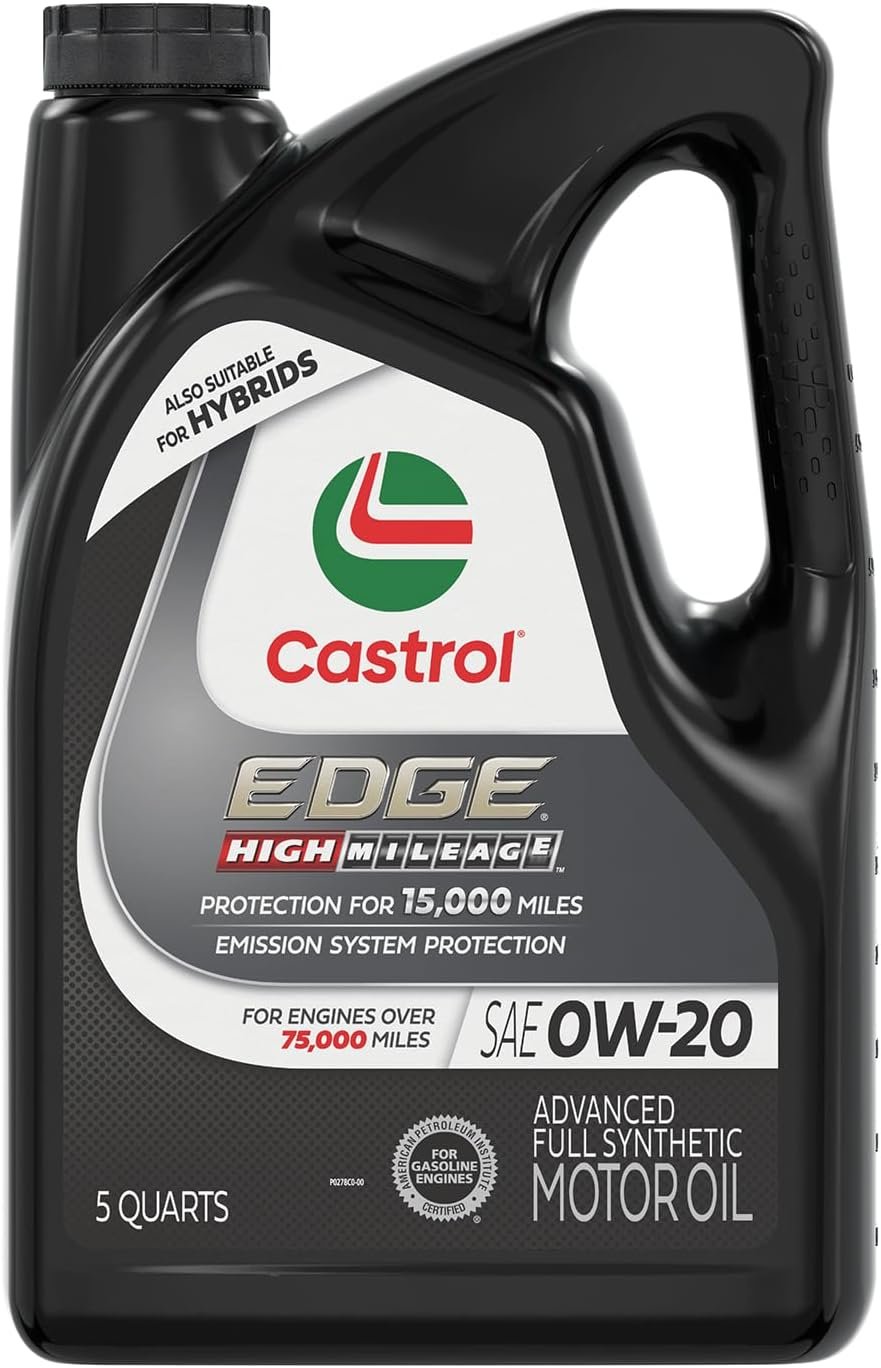
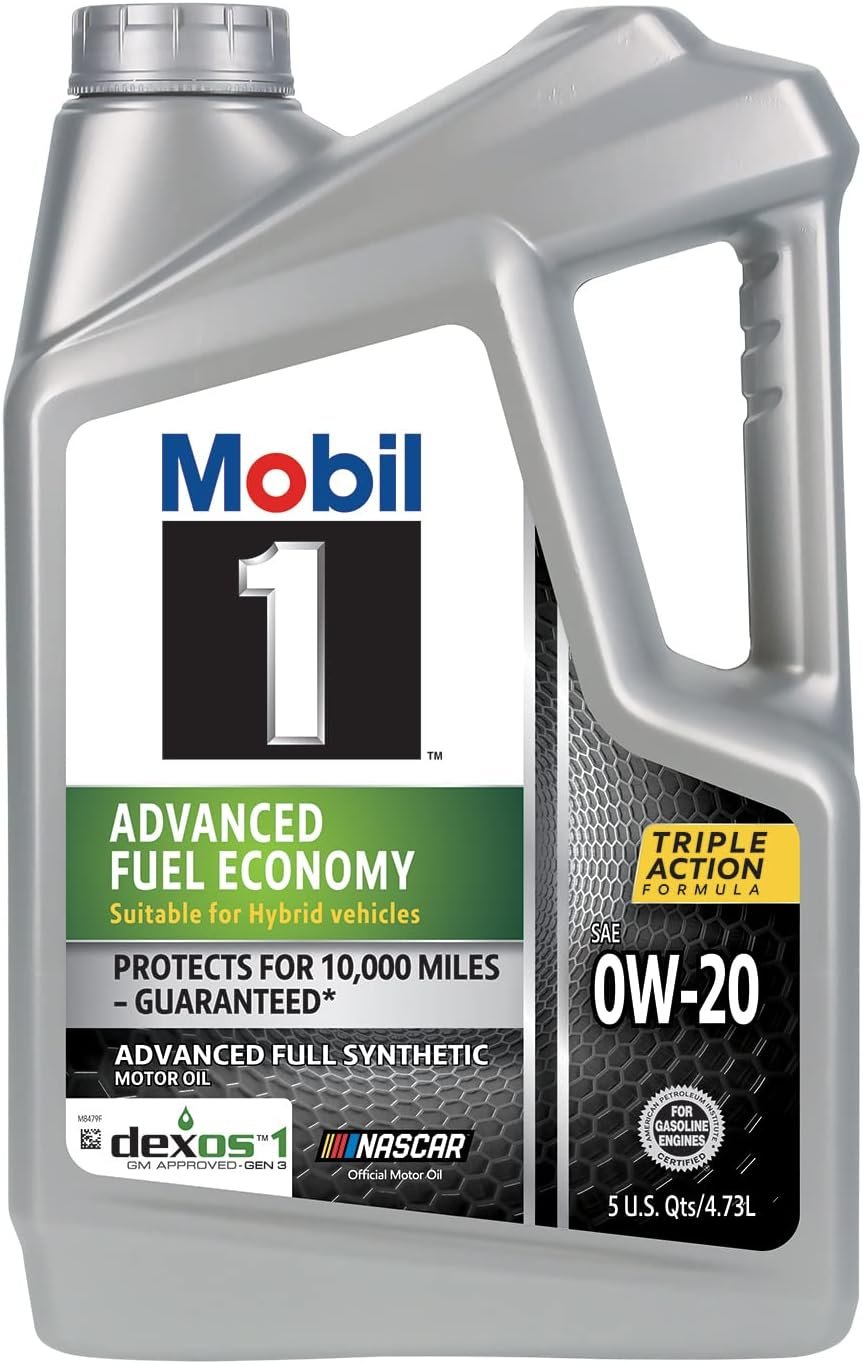
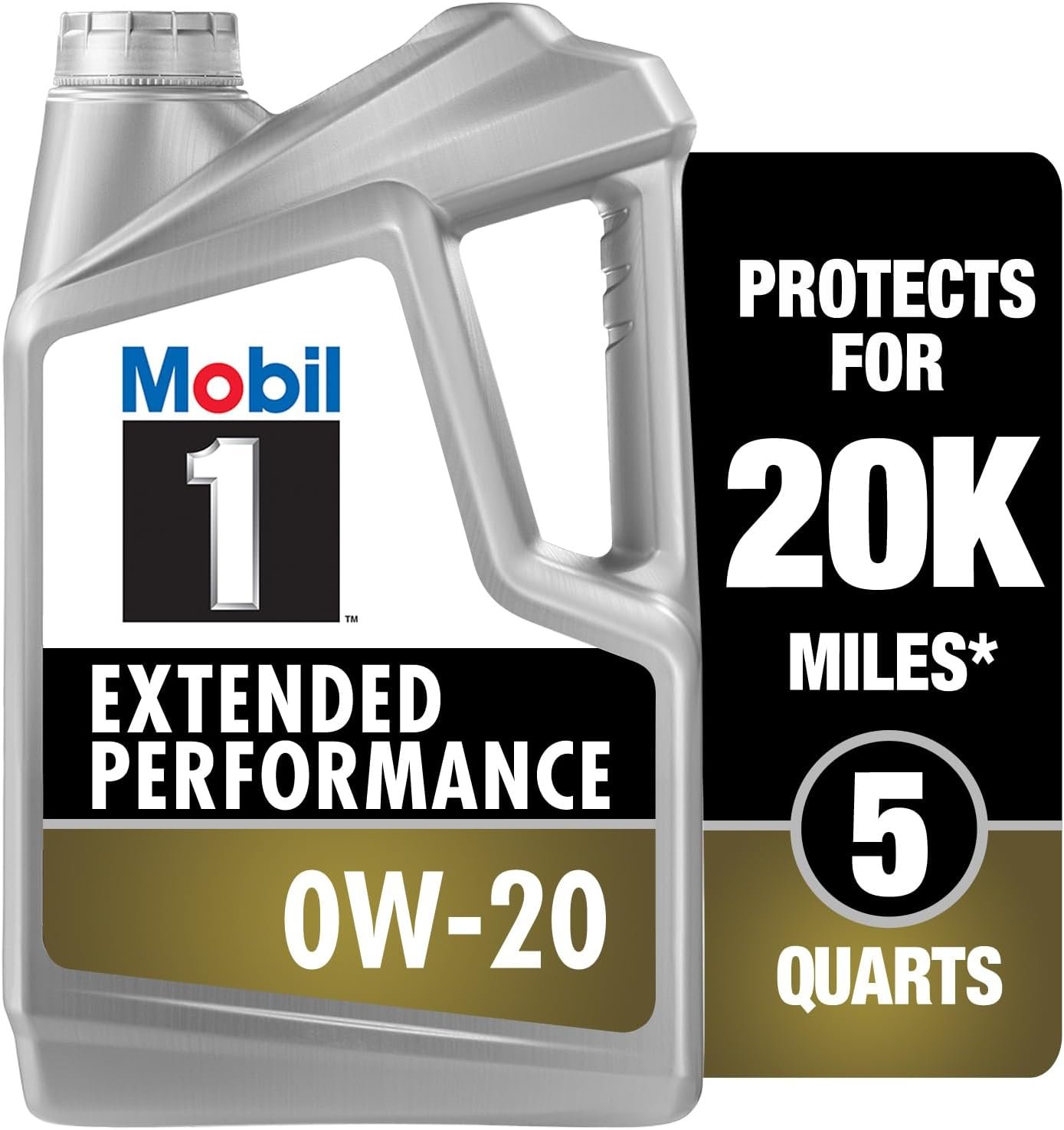
The Honda Civic 11th gen 1.5L turbo (L15CA) requires 3.7 quarts of SAE 0W-20 engine oil meeting API SP / ILSAC GF-6A at every service. Honda Genuine 0W-20 at $30-35 provides the OEM baseline. Mobil 1 Advanced Fuel Economy, Castrol EDGE Advanced, and Valvoline Advanced Full Synthetic offer excellent alternatives between $23 and $32 for 5-quart jugs.
The 11th gen is genuinely improved over the 10th gen in oil dilution resistance. The redesigned thermostat housing, updated ECU calibrations, and revised PCV system make a measurable difference. But the L15CA remains a direct-injected turbocharged engine with a 3.7-quart sump and a 10.3:1 compression ratio, and those fundamental characteristics mean fuel dilution persists under cold-climate, short-trip driving conditions. Catastrophic failure at low mileage has been documented. The class action litigation continues.
Change oil at 5,000 to 7,000 miles. Check the dipstick every 1,000 to 2,000 miles for level and smell. Use higher octane fuel when practical. Avoid habitual short trips in cold weather. Keep your service records. The L15CA is not a fragile engine when properly maintained. It is an engine that punishes neglect and rewards attention. The $25-35 spent on quality 0W-20 oil at shortened intervals is the cheapest protection against a well-documented vulnerability that can otherwise cost thousands in engine repairs.
Our Top Picks
As an Amazon Associate, we may earn from qualifying purchases. This doesn't affect our recommendations — we only suggest oils that hold the exact OEM approval for your engine.