 Oil-
Oil-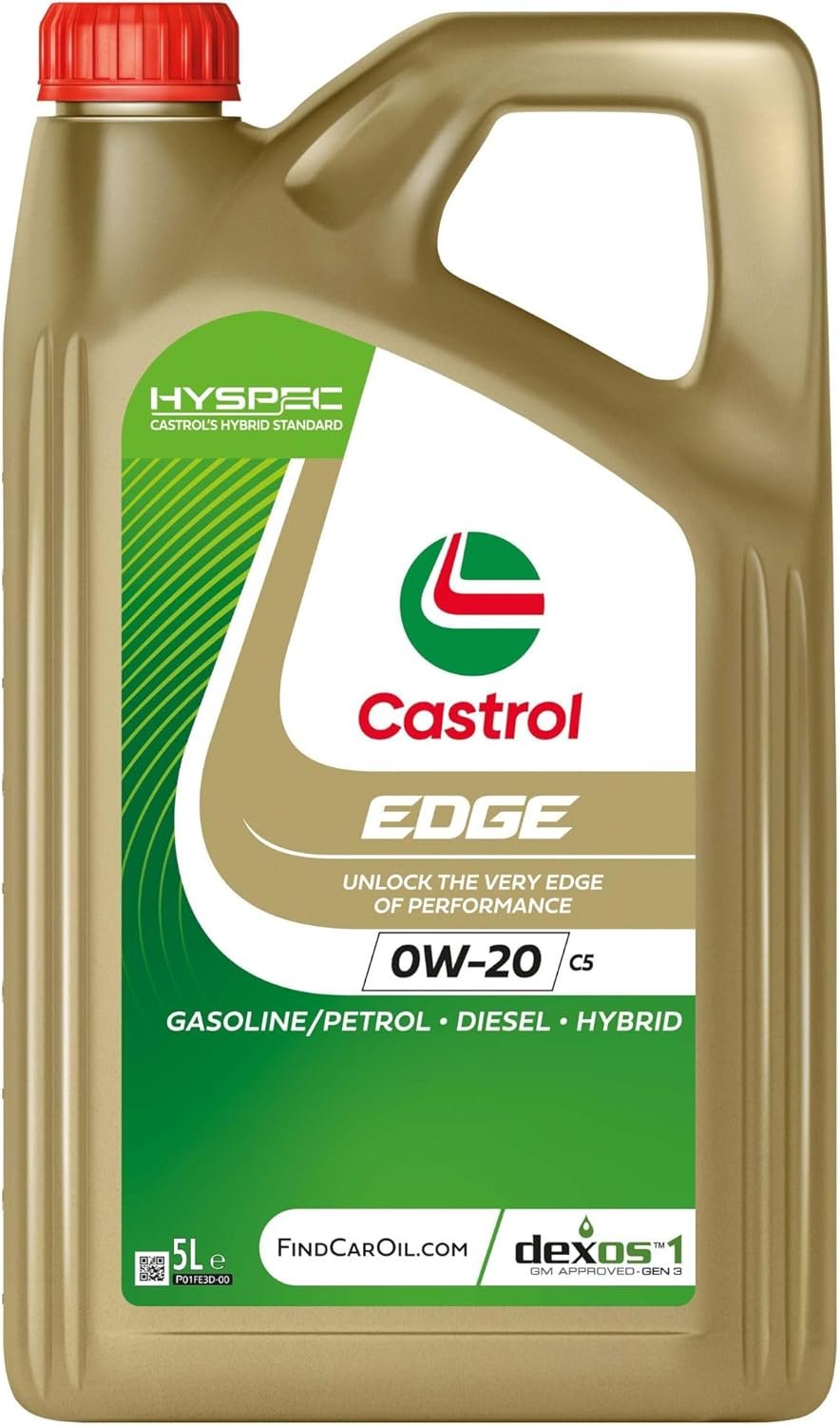
As an Amazon Associate, we may earn from qualifying purchases. This doesn't affect our recommendations — we only suggest oils that hold the exact OEM approval for your engine.
Best Engine Oil for Honda CR-V 1.5 VTEC Turbo (190 HP) — L15BE
The fifth-generation Honda CR-V (RW, 2017-2024) powered by the 1.5-liter VTEC Turbo engine is one of the best-selling compact SUVs in the United States. It is also one of the most controversial. The L15BE engine, a direct-injected turbocharged four-cylinder producing 190 horsepower, carries a well-documented oil dilution problem that triggered a class action lawsuit, forced Honda to extend warranty coverage, and fundamentally changed how informed owners approach maintenance. Fuel mixes with engine oil during cold starts and short trips, causing the oil level to rise on the dipstick rather than drop. If you own this vehicle and do not understand this issue, you are at risk of serious engine damage. This guide covers the oil dilution problem in full, explains why 0W-20 meeting API SP is mandatory, and recommends oils proven to protect the L15BE under real-world US driving conditions.
Quick Answer: Recommended Oil
For Honda CR-V 1.5 VTEC Turbo (190 HP, L15BE):
- Specification: API SP / ILSAC GF-6A
- Viscosity: SAE 0W-20
- Oil capacity: 4.4 quarts with filter (3.7 quarts without)
Critical: Only use 0W-20 full synthetic oil meeting API SP or ILSAC GF-6A. This is not optional. The L15BE engine’s tight bearing clearances, turbocharger oil circuit, and direct injection system are engineered around this viscosity. Using 5W-20 or 5W-30 will not improve protection and may worsen oil dilution by extending warm-up times.
Oil Dilution: The Defining Problem of the CR-V 1.5 Turbo
This is the single most important thing to understand about the Honda CR-V 1.5 Turbo. Every owner must know this.
The L15BE is a direct-injected turbocharged engine. During cold starts and under certain operating conditions, the ECU injects fuel at high pressure directly into the combustion chamber. Some of this fuel does not fully combust during the initial warm-up phase. Instead, it washes past the piston rings and falls into the crankcase, mixing with the engine oil. In a normally functioning engine, this small amount of fuel contamination evaporates once the oil reaches full operating temperature. The problem is that many CR-V owners in the United States never drive long enough or far enough for the oil to reach that temperature consistently.
Short trips under 15 minutes, stop-and-go commuting, cold climate driving, and frequent cold starts all prevent the engine oil from reaching the sustained temperature needed to boil off accumulated gasoline. The fuel stays in the oil. The next cold start adds more. Over weeks and months, the oil level on the dipstick rises above the maximum mark even though no oil has been added. The oil thins out. It begins to smell strongly of gasoline. In severe cases, occupants notice a fuel odor inside the cabin through the ventilation system.
The scope of the problem is enormous. Honda faced a class action lawsuit covering 2019-2023 CR-V models equipped with the 1.5-liter turbo engine. The 2017 and 2018 model years were the most severely affected, with thousands of complaints filed with the National Highway Traffic Safety Administration (NHTSA). Honda responded by extending the powertrain warranty for oil dilution-related issues, issuing technical service bulletins, and making software updates to the ECU to modify fuel injection timing during cold operation. Despite these measures, the fundamental issue persists through the 2023 model year because it stems from the inherent design characteristics of direct injection in a small-displacement turbo engine.
Cold climates are the worst. Owners in northern states like Minnesota, Wisconsin, Michigan, and the Northeast corridor report the highest rates of oil dilution. Ambient temperatures below 30 degrees F significantly extend the time required for the oil to reach operating temperature, meaning a 10-minute commute in January may never bring the oil hot enough to evaporate accumulated fuel.
Warning signs of oil dilution:
- Oil level rises above the MAX mark on the dipstick without oil being added
- Strong gasoline smell when checking the dipstick
- Fuel odor inside the cabin, particularly through the heater or ventilation
- Oil appears thinner and less viscous than fresh oil on the dipstick
- Check engine light or oil maintenance indicator illuminating prematurely
- Reduced engine performance, rough idle, or hesitation
If you detect any of these symptoms, change the oil immediately. Do not wait for the maintenance minder. Fuel-contaminated oil loses its viscosity and anti-wear properties, and running the engine on diluted oil accelerates bearing wear, camshaft lobe damage, and turbocharger bearing degradation.
The L15BE Engine
The L15BE is a 1,498cc turbocharged inline four-cylinder engine developed as part of Honda’s Earth Dreams Technology initiative. It produces 190 horsepower at 5,600 RPM and 179 lb-ft of torque from 2,000 to 5,000 RPM, paired with a CVT transmission in the CR-V. The engine uses direct fuel injection, a single-scroll turbocharger with an electronically controlled wastegate, dual VTC (Variable Timing Control) on both intake and exhaust camshafts, and a 10.3:1 compression ratio that is unusually high for a turbocharged engine.
That high compression ratio is central to Honda’s fuel efficiency strategy but contributes directly to the oil dilution issue. Higher compression means greater cylinder pressure, which in turn increases the force pushing unburned fuel past the piston rings during cold operation when clearances are at their widest and combustion is least efficient.
The turbocharger adds another layer of complexity. Its shaft bearings depend entirely on engine oil for lubrication and cooling. Fuel-diluted oil with reduced viscosity cannot maintain adequate film strength at the extreme speeds the turbo shaft reaches, making the turbocharger one of the first components to suffer when oil dilution goes unaddressed.
Technical Specifications: 1.5 VTEC Turbo (L15BE)
| Specification | Value |
|---|---|
| Displacement | 1,498cc (1.5 liters) |
| Layout | Inline-4, transverse, aluminum block |
| Valvetrain | DOHC, 16 valves, dual VTC, timing chain |
| Turbocharger | Single-scroll, electronically controlled wastegate |
| Power | 190 HP @ 5,600 RPM |
| Torque | 179 lb-ft @ 2,000-5,000 RPM |
| Compression Ratio | 10.3:1 |
| Fuel Type | Regular unleaded (87 octane minimum) |
| Recommended Viscosity | SAE 0W-20 |
| Oil Capacity (without filter) | 3.7 quarts (3.5 liters) |
| Oil Capacity (with filter) | 4.4 quarts (4.2 liters) |
| Oil Specification | API SP / ILSAC GF-6A |
Why 0W-20 API SP Is Mandatory
The API SP service category, introduced in 2020, replaced API SN Plus and includes enhanced protection against low-speed pre-ignition (LSPI), a phenomenon where the fuel-air mixture ignites before the spark plug fires under high-load, low-RPM conditions. LSPI is particularly dangerous in small-displacement turbocharged engines like the L15BE because it can cause catastrophic piston and connecting rod damage in a single event. API SP oils contain reformulated additive chemistry that dramatically reduces LSPI risk.
ILSAC GF-6A is the companion fuel economy standard that mandates specific friction-reducing properties while maintaining wear protection. Oils meeting both API SP and ILSAC GF-6A deliver the complete package the L15BE requires: LSPI prevention, turbo-compatible thermal stability, and the thin 0W-20 viscosity that allows rapid circulation during cold starts when the engine is most vulnerable to both wear and oil dilution.
Using higher octane fuel (89 or 91 octane) helps mitigate oil dilution by promoting more complete combustion during cold starts, reducing the amount of unburned fuel that escapes past the piston rings. Honda’s owner’s manual specifies 87 octane as the minimum, but many informed owners and Honda technicians recommend 91 octane for vehicles driven primarily in cold climates or on short trips.
Best Value: Valvoline Advanced Full Synthetic 0W-20 Valvoline’s full synthetic 0W-20 meets API SP and ILSAC GF-6A with a well-balanced additive package that provides strong anti-wear, detergent, and oxidation resistance properties at a lower price point than premium competitors. Widely available at Walmart, AutoZone, O’Reilly, and Amazon. Consistently priced at $23-27 for 5 quarts, making it the most affordable option without sacrificing any of the specification requirements the L15BE demands.
Oil Change Intervals and Critical Monitoring
Honda Official Recommendation:
- Maintenance Minder system: typically indicates between 7,500 and 10,000 miles
Recommended Practice for Oil Dilution Mitigation: 5,000 to 7,000 miles or every 6 months, whichever comes first.
Honda’s Maintenance Minder algorithm factors in driving conditions to calculate service intervals, but it was not originally designed to account for the severity of fuel dilution in cold-climate, short-trip driving patterns. Many owners have found that the Maintenance Minder allows intervals that are too long for vehicles driven primarily on short trips in cold weather.
Essential oil dilution mitigation steps:
- Check your dipstick every 1,000 to 2,000 miles. You are checking both level and smell. If the level has risen above MAX or the oil smells like gasoline, change it immediately regardless of mileage.
- Avoid trips under 15 minutes when possible, especially in cold weather. If your daily commute is short, take the vehicle on a sustained 20-30 minute highway drive at least once per week to bring the oil to full operating temperature and burn off accumulated fuel.
- Use 89 or 91 octane fuel if you live in a cold climate or drive primarily short distances. Higher octane promotes more complete combustion and reduces the volume of unburned fuel entering the crankcase.
- Change oil at 5,000 to 7,000 miles rather than waiting for the Maintenance Minder, particularly during winter months.
- Never ignore a rising oil level. In a normal engine, oil level drops over time. If yours is rising, fuel dilution is occurring and the oil must be changed.
Class Action Lawsuit and Honda’s Response
The class action lawsuit filed against American Honda Motor Co. covered 2017-2023 CR-V models and alleged that Honda knew about the oil dilution defect before selling these vehicles. Honda’s response included an extended warranty covering oil dilution-related engine damage, ECU software updates to modify cold-start fuel injection behavior, and updated owner guidance recommending more frequent oil changes for vehicles operated in severe conditions.
If you own a 2017-2023 CR-V 1.5 Turbo, contact your Honda dealer to verify whether the ECU software update has been applied and to confirm your extended warranty coverage. Keep all oil change receipts and document any dipstick readings showing elevated oil levels, as this documentation supports warranty claims if engine damage occurs.
Conclusion
The Honda CR-V 1.5 VTEC Turbo (L15BE) requires 4.4 quarts of API SP / ILSAC GF-6A compliant SAE 0W-20 full synthetic engine oil at every service. Oil dilution from fuel entering the crankcase during cold starts and short trips is the defining maintenance challenge of this engine, and every ownership decision should account for it.
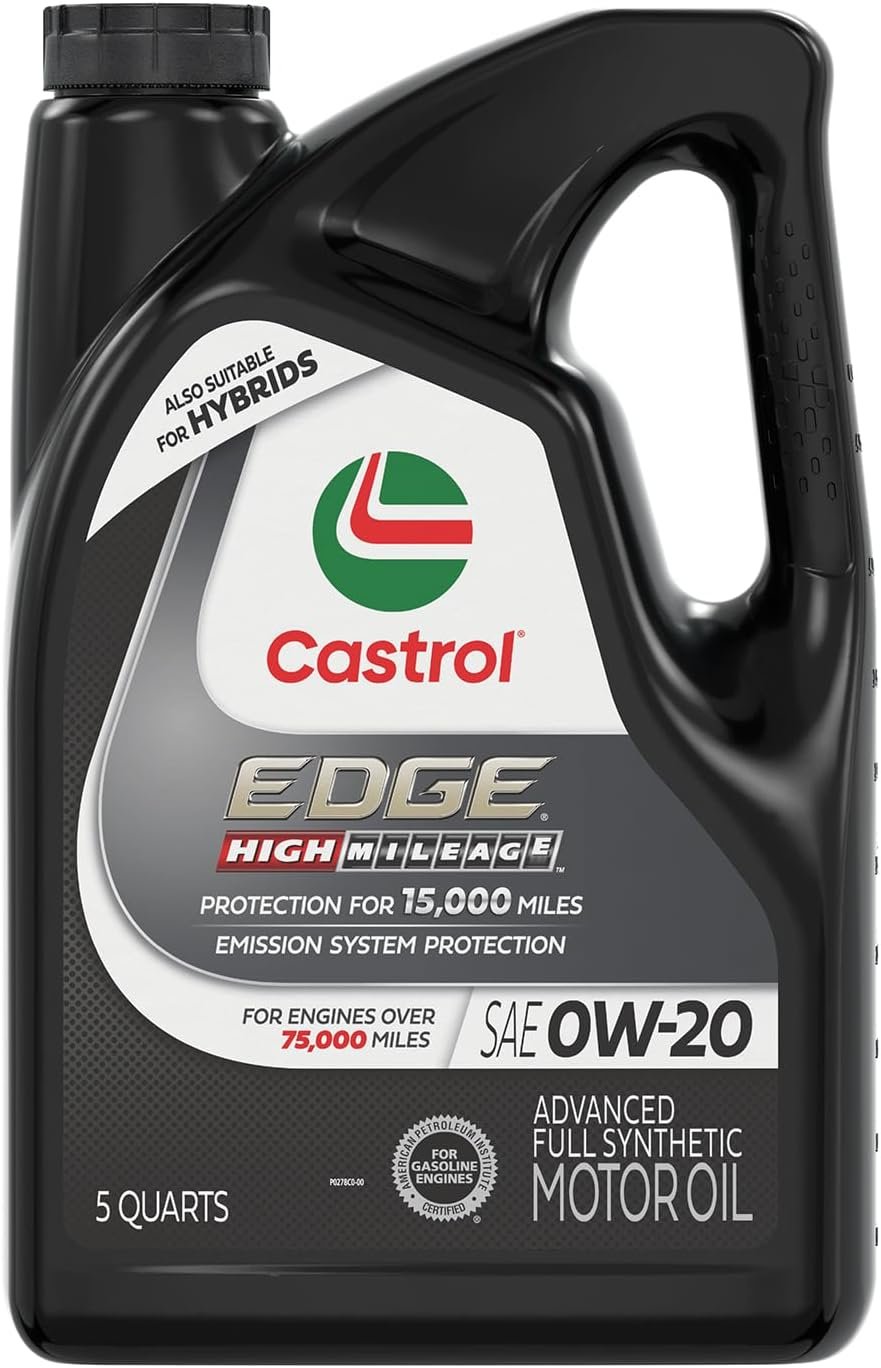
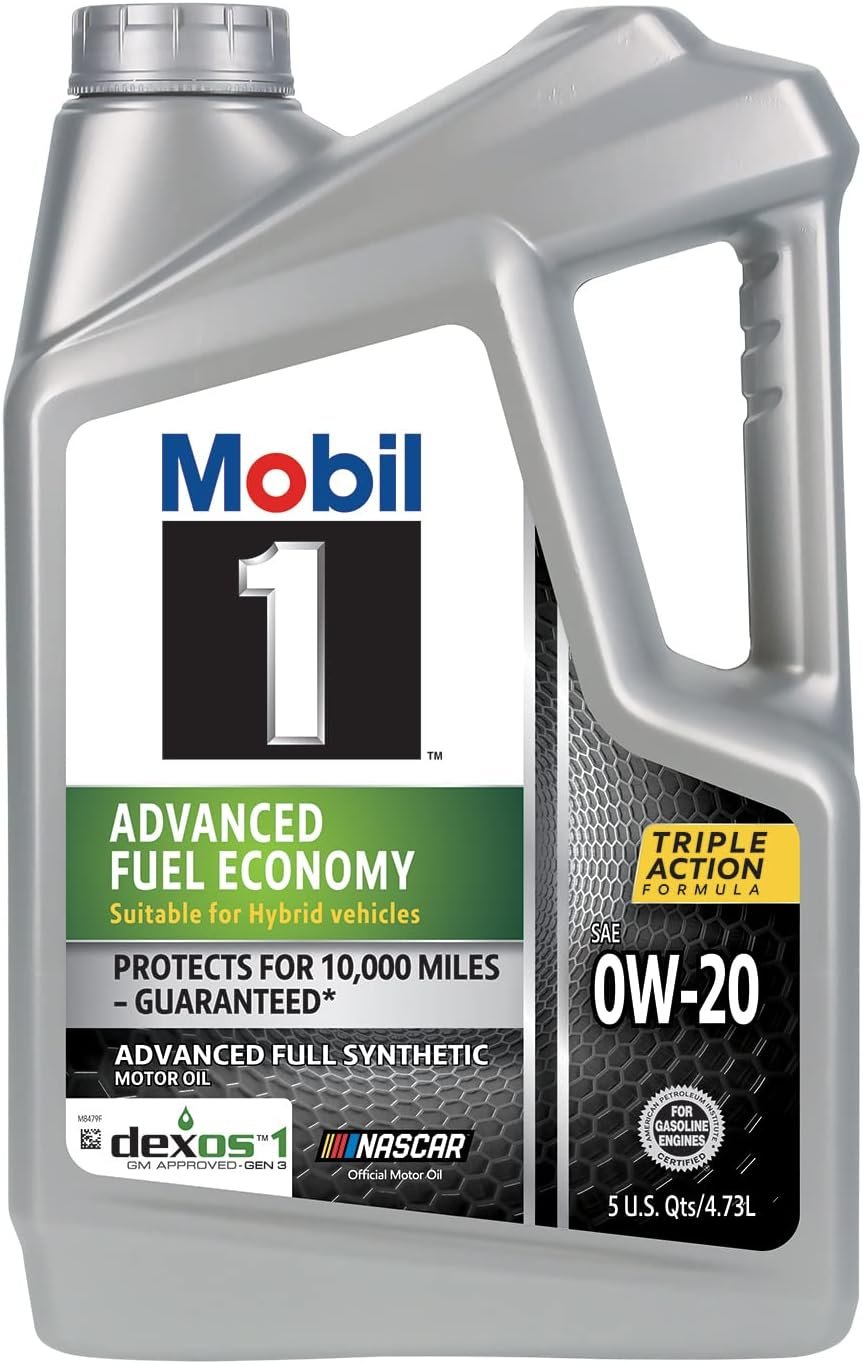
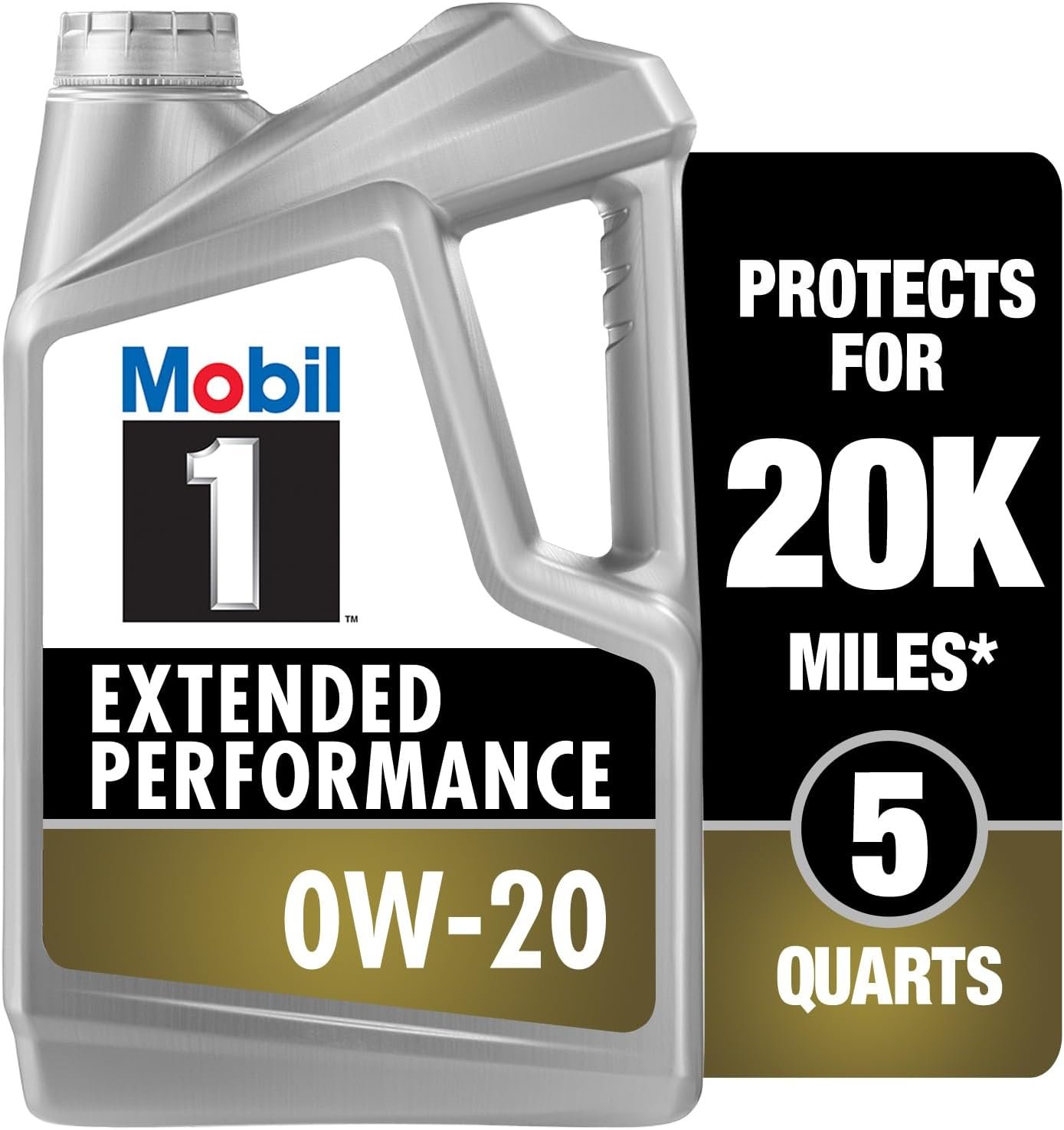
Use Honda Genuine 0W-20, Mobil 1 Advanced Fuel Economy, Castrol EDGE Advanced, or Valvoline Advanced Full Synthetic, all in 0W-20 and all meeting API SP. Change the oil at 5,000 to 7,000 miles rather than waiting for the Maintenance Minder. Check your dipstick every 1,000 to 2,000 miles, watching for rising levels and gasoline smell. Avoid habitual short trips in cold weather, use higher octane fuel when practical, and verify that your dealer has applied the ECU software update.
The L15BE is not a fragile engine. It is a modern turbocharged powerplant with a specific and well-understood vulnerability. Owners who monitor their oil, shorten their change intervals, and adjust their driving habits will see reliable service well beyond 150,000 miles. The $25-35 spent on quality 0W-20 oil every 5,000 to 7,000 miles is the cheapest insurance against a problem that can otherwise cost thousands in engine repairs.
Our Top Picks
As an Amazon Associate, we may earn from qualifying purchases. This doesn't affect our recommendations — we only suggest oils that hold the exact OEM approval for your engine.