 Oil-
Oil-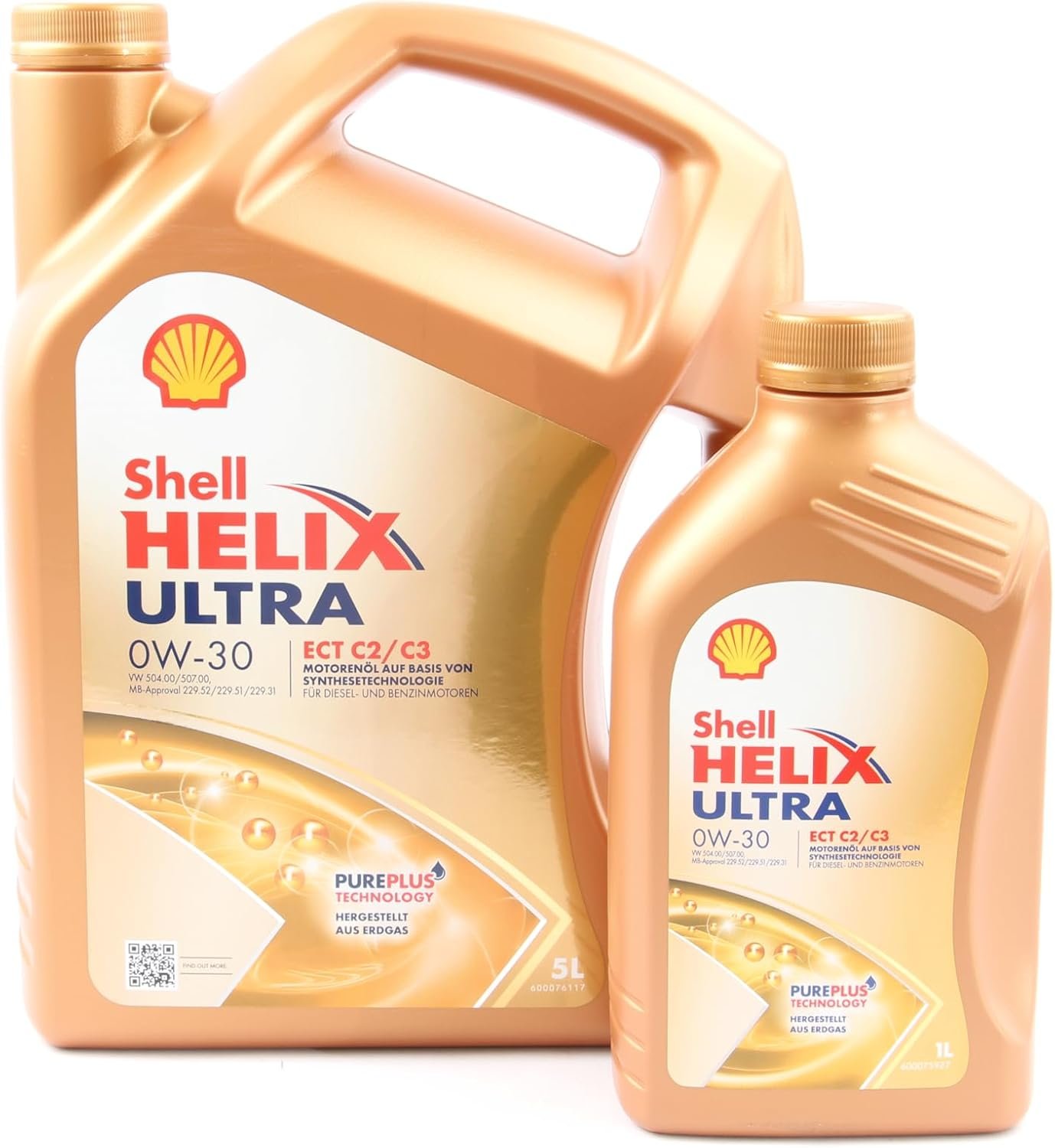
As an Amazon Associate, we may earn from qualifying purchases. This doesn't affect our recommendations — we only suggest oils that hold the exact OEM approval for your engine.
Best Engine Oil for Honda CR-V 1.6 i-DTEC (120/160 HP)
The Honda CR-V 4th and 5th generation equipped with the 1.6 i-DTEC diesel engine has earned a troubled reputation in the UK market, and the root cause is oil dilution. Built from 2013 (4th Gen) and 2017 (5th Gen), the N16A1 (120 HP, FWD) and N16A2 (160 HP twin-turbo, AWD) engines are mechanically competent units that suffer from a specific and well-documented flaw: during DPF regeneration cycles, unburned diesel fuel washes past the piston rings and mixes with the engine oil. Honda acknowledged this problem publicly in 2017 after mounting customer complaints, yet the issue persists for every owner who does not understand it. Choosing the correct engine oil is not merely a maintenance task for this engine. It is the primary defence against a problem that can destroy the engine from within. This guide explains the oil dilution issue in detail, covers the mandatory 0W-30 low-SAPS specification, and recommends oils proven to protect the 1.6 i-DTEC under real-world UK driving conditions.
Quick Answer: Recommended Oil
For Honda CR-V 1.6 i-DTEC (120/160 HP):
- Specification: ACEA C2/C3, low-SAPS
- Viscosity: SAE 0W-30
- Oil capacity: 4.7 litres with filter (4.4 L without)
Critical: Only use 0W-30 viscosity oil meeting ACEA C2 or C3. This is not a suggestion. The 0W-30 grade is essential because thinner oil supports the DPF regeneration process, and low-SAPS chemistry protects the diesel particulate filter from ash saturation. Using 5W-30 or 5W-40 will worsen DPF regen efficiency and accelerate the oil dilution problem that defines this engine.
Oil Dilution: The Defining Problem
This is the single most important thing to understand about the Honda CR-V 1.6 i-DTEC. Every owner must know this.
During normal operation, the diesel particulate filter traps soot from exhaust gases. Periodically, the ECU triggers a regeneration cycle to burn off accumulated soot by injecting additional diesel fuel late in the combustion stroke. This raises exhaust temperatures to above 600 degrees C, incinerating the trapped soot. The problem is that some of this extra fuel does not combust. Instead, it slides past the piston rings and drops into the sump, mixing with the engine oil.
In ideal conditions, this fuel contamination is minimal. The engine reaches full operating temperature, the regen completes quickly, and the small amount of fuel in the oil evaporates as the oil heats up. But the UK does not provide ideal conditions. Short trips, cold weather, congested urban traffic, and school-run driving patterns mean the DPF frequently cannot complete its regeneration cycle. The ECU aborts the regen, the fuel remains in the oil, and the next attempted regen adds more fuel. The oil level on the dipstick begins to rise above the MAX mark. The oil thins out. It starts to smell overwhelmingly of diesel fuel.
Honda acknowledged this in 2017. After a wave of complaints from UK and European owners, Honda issued technical guidance confirming that oil dilution was occurring in the 1.6 i-DTEC under certain driving patterns. The 160 HP twin-turbo variant (N16A2) in AWD models is particularly susceptible because the heavier drivetrain demands more frequent DPF regeneration cycles and the engine works harder to reach the exhaust temperatures needed for complete soot burn-off.
Warning signs of oil dilution:
- Oil level rises above the MAX mark on the dipstick without oil being added
- Strong petrol or diesel smell from the oil when you check the dipstick
- Overwhelming fuel odour inside the cabin, particularly through the ventilation system
- Oil appears thinner and less viscous than fresh oil
- DPF warning light illuminating repeatedly
- Reduced engine performance and rough running
If you detect any of these symptoms, an immediate oil change is required. Do not wait for the scheduled service interval. Fuel-contaminated oil loses its protective viscosity and anti-wear properties, and running the engine on diluted oil will cause accelerated bearing wear, cam lobe damage, and eventually catastrophic engine failure.
The N16A1 and N16A2 Engines
The 1.6 i-DTEC is a 1,597cc four-cylinder common-rail turbodiesel developed by Honda specifically for the European market. The engine uses an aluminium block with a forged steel crankshaft, producing either 120 HP at 4,000 RPM in single-turbo FWD configuration (N16A1) or 160 HP at 4,000 RPM in twin-turbo AWD configuration (N16A2). Peak torque is 300 Nm for the 120 HP variant and 350 Nm for the 160 HP variant, both arriving from 2,000 RPM.
The 160 HP N16A2 uses a sequential twin-turbo arrangement. A smaller turbocharger provides immediate boost response at low RPM, while a larger unit takes over at higher engine speeds for sustained power delivery. This twin-turbo system is more thermally stressed than the single-turbo 120 HP variant, runs higher exhaust gas temperatures, and consequently places greater demands on the oil.
Both engines feature a diesel particulate filter, exhaust gas recirculation, and a post-injection fuel delivery system for DPF regeneration. It is this post-injection system that causes the oil dilution problem. Unlike some competitors that use a separate fuel injector in the exhaust system for DPF regen, Honda chose to inject additional fuel through the existing combustion chamber injectors late in the exhaust stroke. This is a cost-effective solution, but it means diesel fuel is present in the cylinder at a point in the cycle where it is more likely to escape past the piston rings.
Technical Specifications: 1.6 i-DTEC (N16A1 / N16A2)
| Specification | Value |
|---|---|
| Displacement | 1,597cc (1.6 litres) |
| Layout | Inline-4, transverse, aluminium block |
| Valvetrain | DOHC, 16 valves, timing chain |
| Power | 120 HP (N16A1) / 160 HP (N16A2) @ 4,000 RPM |
| Torque | 300 Nm (N16A1) / 350 Nm (N16A2) @ 2,000 RPM |
| Fuel Type | Diesel |
| Injection | Common-rail direct injection |
| Turbocharger | Single (N16A1) / Sequential twin-turbo (N16A2) |
| Recommended Viscosity | SAE 0W-30 |
| Oil Capacity (without filter) | 4.4 litres |
| Oil Capacity (with filter) | 4.7 litres |
| ACEA Norm | C2/C3 |
Why 0W-30 Is Non-Negotiable
The 0W-30 viscosity grade is not simply a fuel economy preference for this engine. It plays a direct role in how effectively the DPF regeneration system works.
Thinner oil at operating temperature means less mechanical resistance and slightly higher exhaust gas temperatures under normal driving. This matters because the DPF needs to reach approximately 600 degrees C for passive regeneration. An engine running 0W-30 oil achieves these temperatures marginally faster and more consistently than one running 5W-30, reducing the number of incomplete regen cycles. Fewer incomplete regens mean less post-injection fuel, which means less oil dilution.
Additionally, 0W-30 has superior cold-start flow properties. In UK winter conditions where ambient temperatures regularly drop below 5 degrees C, the oil reaches critical engine components faster, reducing the warm-up period. A faster warm-up means the engine reaches DPF regen temperature sooner during short trips, increasing the likelihood that a regen cycle completes before you arrive at your destination and switch off the engine.
The low-SAPS requirement (ACEA C2 or C3) is equally critical. Low-SAPS oils contain reduced levels of Sulphated Ash, Phosphorus, and Sulphur. These metallic compounds in conventional oils produce ash that cannot be burned off during DPF regeneration. Over time, ash accumulates permanently in the DPF, reducing its capacity and eventually requiring expensive replacement at £1,200-2,000. Low-SAPS oil extends DPF life by producing significantly less non-combustible residue.
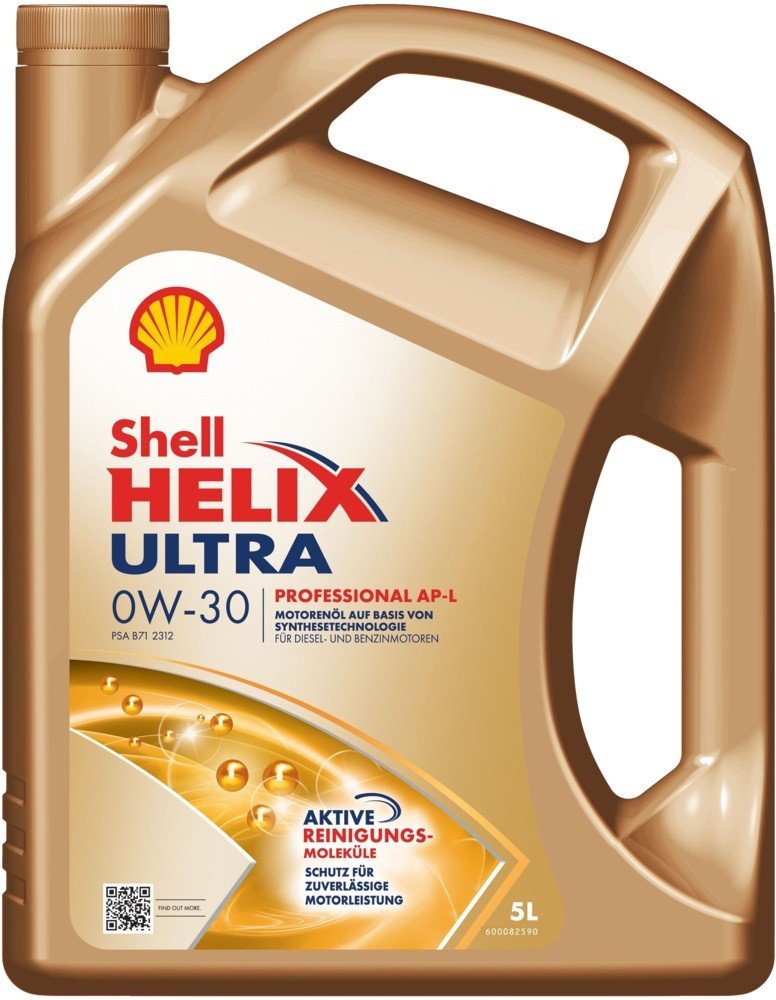
Best Value: Shell Helix Ultra ECT C2/C3 0W-30 Shell’s PurePlus gas-to-liquid base oil technology produces an exceptionally pure synthetic base stock with fewer impurities than conventional base oils. This translates to cleaner operation inside the engine and reduced deposit formation around piston rings, which is particularly relevant for an engine prone to fuel wash past those rings. Strong detergent package keeps internal surfaces clean. Excellent value at £38-44 for 5 litres.
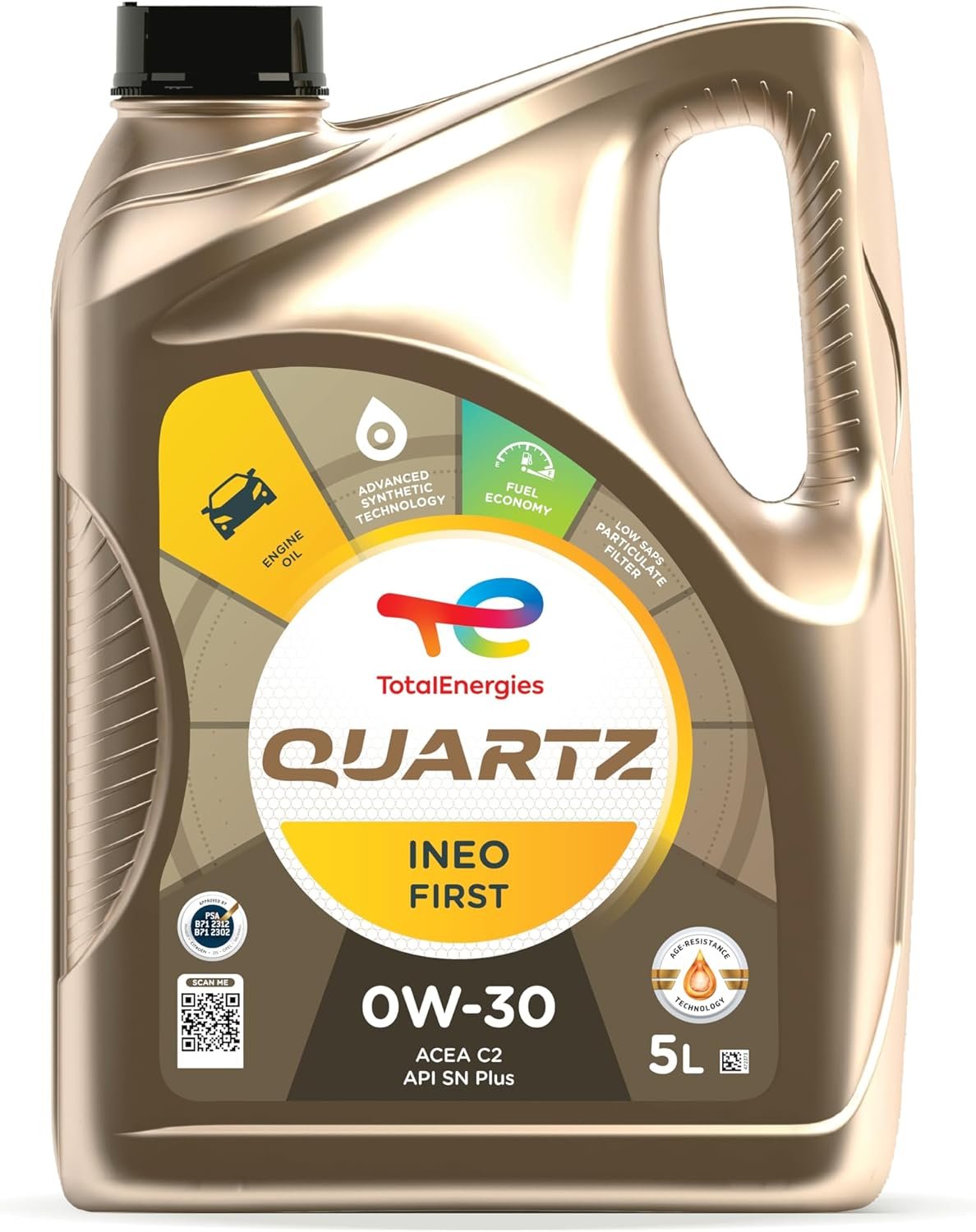
Alternative: Total Quartz INEO MC3 0W-30 TotalEnergies’ INEO range is widely used as OEM fill across French and Japanese manufacturers. The MC3 formulation meets ACEA C2/C3 with a well-balanced additive package providing both DPF protection and strong anti-wear performance. Competitive pricing at £35-40 for 5 litres makes this the budget-conscious choice without sacrificing the low-SAPS and viscosity requirements this engine demands.
Oil Change Intervals and Monitoring
Honda Official Recommendation:
- Standard service: 20,000 km or 12 months
Recommended Practice: 10,000 km or every 6 months, whichever comes first. For short-trip drivers, consider 7,500 km.
Honda’s 20,000 km service interval assumes sustained motorway driving where DPF regeneration completes efficiently and fuel dilution remains minimal. For the vast majority of UK CR-V owners who use their car for school runs, commuting, shopping trips, and weekend driving, this interval is dangerously long. The oil dilution issue means your oil is degrading faster than in a typical diesel engine, and by 15,000 km the oil on your dipstick may be 10-15% diesel fuel by volume.
Essential monitoring between services:
- Check your dipstick every 1,000 miles. This is not optional. You are checking both the level and the smell.
- If the oil level has risen above MAX, the oil is diluted with fuel. Change it immediately.
- Pull the dipstick and smell the oil. If there is a strong diesel fuel odour, the oil is contaminated regardless of level.
- If you notice a fuel smell inside the cabin through the heater or ventilation system, this is a serious warning sign of significant oil dilution.
Short trips are the worst enemy of this engine. If your typical journey is under 15 minutes, the DPF will frequently attempt and fail to complete regeneration cycles. Each failed attempt deposits more fuel in the sump. Owners who primarily drive short urban trips should change oil at 7,500 km or every 6 months, and should make a deliberate effort to take the car on a 30-minute motorway run at least once every two weeks to allow the DPF to regenerate properly.
Common 1.6 i-DTEC Problems Related to Oil
DPF Regeneration Failure (especially 160 HP twin-turbo). The most widespread issue. The DPF warning light illuminates, performance drops, and the engine enters limp mode. The 160 HP AWD variant is disproportionately affected because the heavier vehicle requires more energy to maintain speed, generating more soot, while the twin-turbo arrangement creates more complex thermal management challenges. Prevention centres on driving habits: regular motorway runs, avoiding engine shutdown during active regen (look for the DPF indicator on the dashboard), and using the correct 0W-30 low-SAPS oil. DPF replacement costs £1,200-2,000.
Oil Dilution Leading to Engine Damage. When fuel dilution reduces oil viscosity below a critical threshold, metal-to-metal contact occurs at the crankshaft bearings, camshaft lobes, and turbo bearings. Symptoms progress from increased engine noise and rough running to bearing knock and, ultimately, seizure. This is not a theoretical risk. UK Honda forums and owner groups document multiple cases of engine failure directly attributed to undetected oil dilution. The single best prevention is regular dipstick checks and shortened oil change intervals.
Turbo Bearing Wear. Both the single-turbo and twin-turbo variants are sensitive to oil quality. The turbine shaft spins at extreme speeds on a film of oil, and fuel-diluted oil cannot maintain adequate film strength. The twin-turbo 160 HP variant has two sets of bearings at risk. Early symptoms include a whining noise at idle, oil residue in the intercooler piping, and blue smoke on hard acceleration. Turbo rebuild costs £500-800 per unit, full replacement £900-1,500.
EGR Valve Fouling. Carbon deposits from exhaust gas recirculation gradually restrict the EGR valve, causing rough idle and reduced power. The problem is worse on vehicles with frequent short trips where combustion temperatures remain low and soot production is high. Quality 0W-30 oil with strong detergent properties slows deposit formation, but periodic EGR inspection at 60,000 km intervals is advisable. Replacement costs £300-500.
Conclusion
The Honda CR-V 1.6 i-DTEC requires ACEA C2/C3 compliant SAE 0W-30 engine oil with a capacity of 4.7 litres including the filter. Oil dilution from DPF regeneration is the defining challenge of owning this engine, and every maintenance decision should account for it.
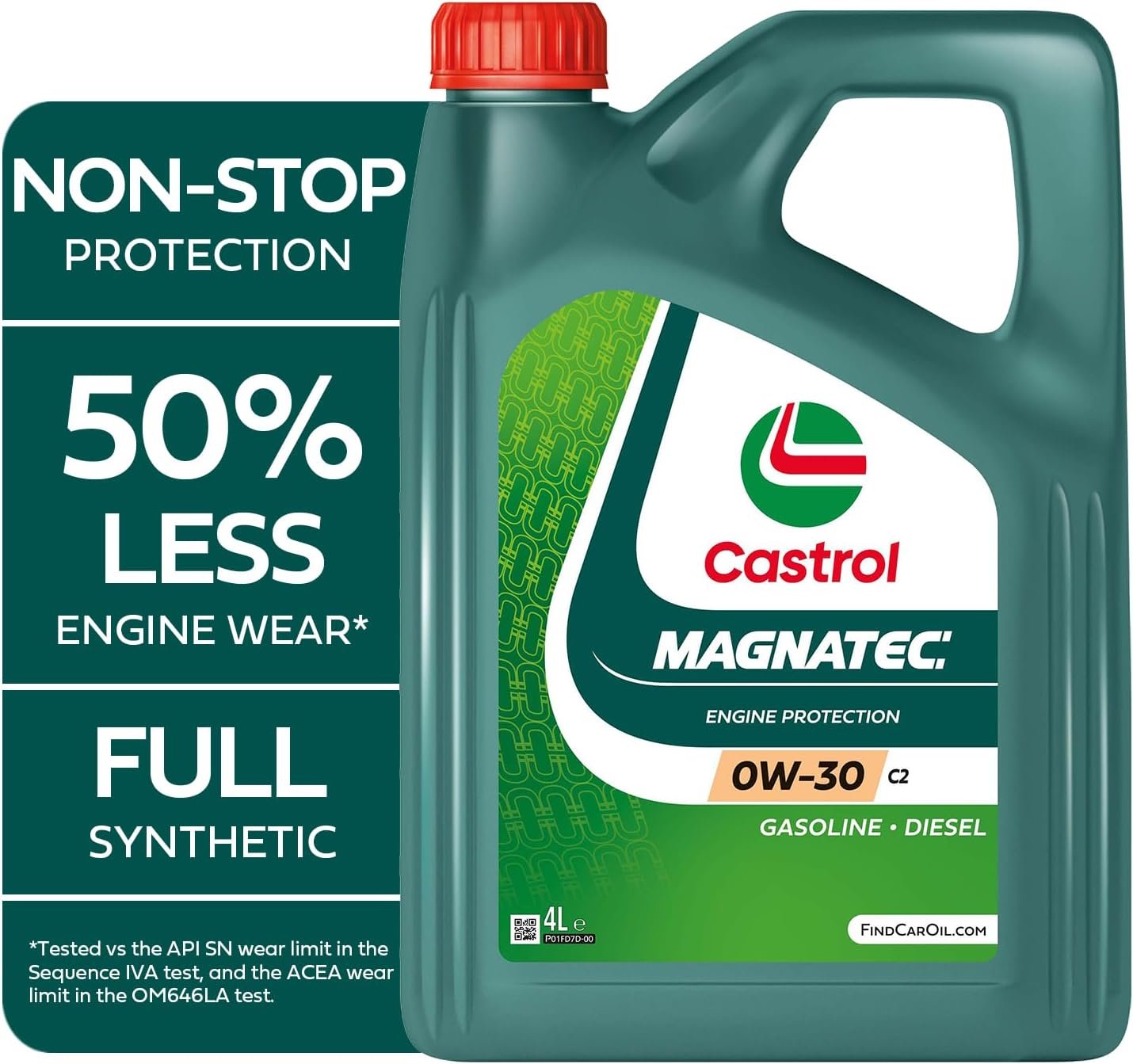
Use only 0W-30 viscosity from a quality brand: Castrol EDGE, Mobil 1 ESP, Shell Helix Ultra ECT C2/C3, or Total Quartz INEO MC3. Change the oil at 10,000 km or 6 months maximum, shorter if you drive predominantly short trips. Check your dipstick religiously: once every 1,000 miles, checking both level and smell. If the level is above MAX or the oil smells of fuel, change it immediately regardless of mileage.
The 1.6 i-DTEC is not a bad engine. It is a diesel engine with a specific vulnerability that demands informed ownership. Short trips, extended service intervals, and incorrect oil viscosity are the three factors that turn the oil dilution issue from a manageable characteristic into a catastrophic failure. Avoid all three, keep the DPF healthy with regular motorway driving, and the N16A1/N16A2 will deliver the reliable, economical service that Honda engines are known for. The £35-50 spent on correct oil every six months is insignificant compared to a DPF replacement at £1,200-2,000 or engine rebuild costs that can exceed £3,000.
Our Top Picks
As an Amazon Associate, we may earn from qualifying purchases. This doesn't affect our recommendations — we only suggest oils that hold the exact OEM approval for your engine.