 Oil-
Oil-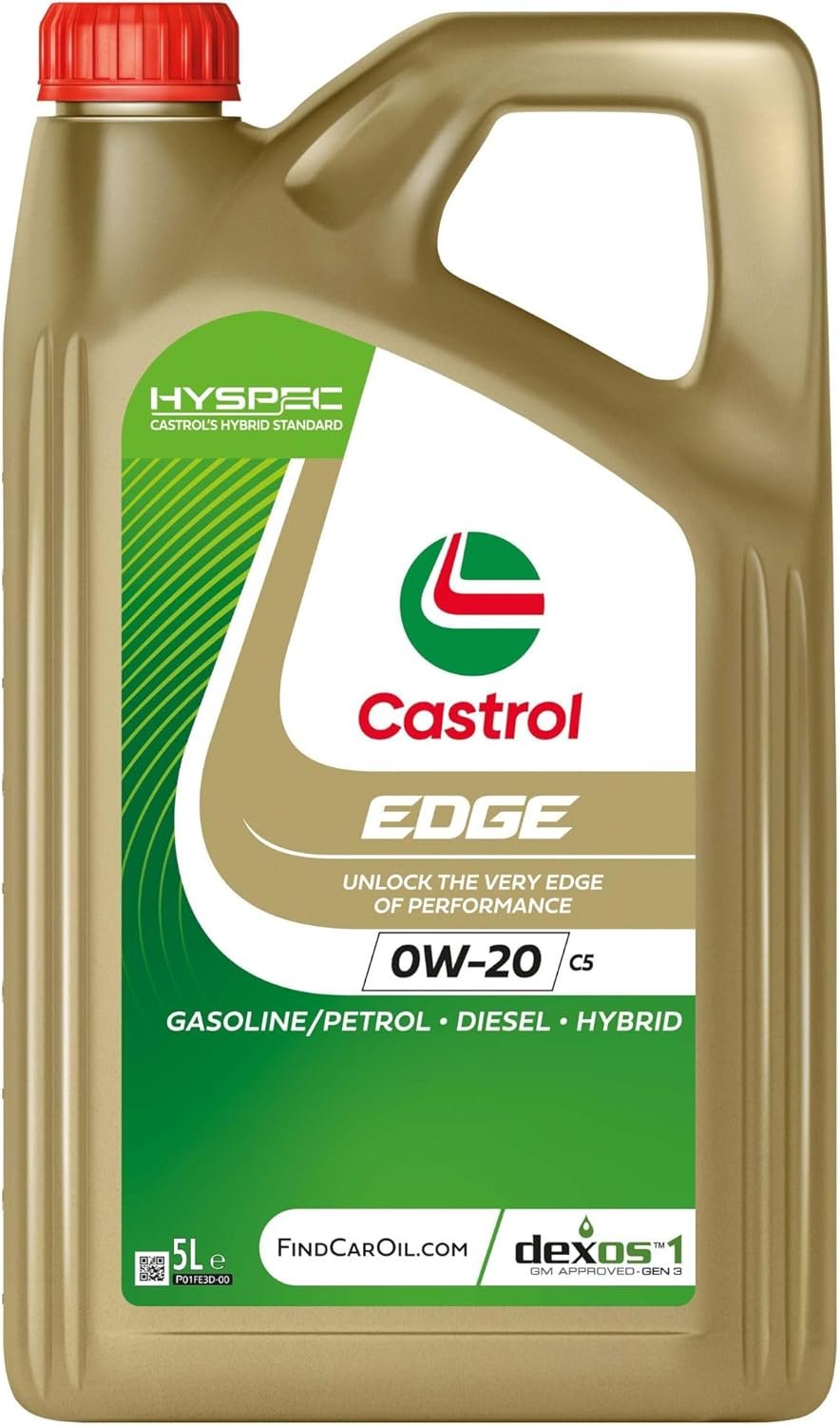
As an Amazon Associate, we may earn from qualifying purchases. This doesn't affect our recommendations — we only suggest oils that hold the exact OEM approval for your engine.
Best Engine Oil for Honda Pilot 4th Gen 3.5L V6 (285 HP) — J35Y6
The fourth-generation Honda Pilot (2023-present) marks a complete redesign of Honda’s flagship three-row SUV, and its powerplant is a familiar friend. The 3.5-liter J35Y6 V6 produces 285 horsepower and 262 lb-ft of torque, paired with a 10-speed automatic transmission that replaced the outgoing 9-speed unit. The J35 engine family is one of Honda’s greatest engineering achievements, with a production history stretching back to 1998 and documented service life routinely exceeding 200,000 miles across Pilots, Odysseys, Ridgelines, and Acura MDXs. But the 4th gen Pilot introduces a critical change under the hood: gasoline direct injection replaces the port fuel injection used in every previous J35 variant. That change improves efficiency and power, but it brings fuel dilution and intake valve carbon buildup into the maintenance equation for the first time. Combined with the VCM4 cylinder deactivation system, the J35Y6 demands informed oil selection and monitoring that goes beyond simply following the Maintenance Minder. This guide covers the correct specification, explains the real-world oil issues specific to this engine, and recommends four oils proven to protect the J35Y6 under American driving conditions.
Quick Answer: Recommended Oil
For Honda Pilot 4th Gen (2023+) 3.5L V6 (285 HP, J35Y6):
- Specification: API SP / ILSAC GF-6A
- Viscosity: SAE 0W-20
- Oil capacity: 5.7 quarts with filter (5.4 quarts without)
Important: Only use 0W-20 full synthetic oil meeting API SP or ILSAC GF-6A. The J35Y6 is engineered around this viscosity for its bearing clearances, VCM4 cylinder deactivation hydraulics, and direct injection fuel strategy. Do not use 5W-20 or 5W-30 thinking it offers better protection. A heavier viscosity disrupts VCM4 hydraulic operation and extends warm-up times, which worsens fuel dilution during short trips.
The J35Y6 Engine
The J35Y6 is a 3,471cc naturally aspirated 60-degree V6 with an aluminum block and heads, producing 285 horsepower at 6,100 RPM and 262 lb-ft of torque at 5,000 RPM. It uses a single overhead camshaft per bank with Honda’s i-VTEC variable valve timing, a timing chain, and a compression ratio of 11.5:1 that reflects the thermodynamic efficiency gains direct injection makes possible.
The defining mechanical feature for oil selection is VCM4 (Variable Cylinder Management 4), Honda’s latest cylinder deactivation technology. VCM4 can shut down three of the six cylinders during light-load cruising, closing their intake and exhaust valves and ceasing fuel injection while the pistons continue to travel in their bores. The oil film on those deactivated cylinder walls must maintain integrity without fresh combustion heat, placing specific demands on film strength and viscosity retention. This is a substantially refined system compared to the earlier VCM that caused vibration and excessive consumption complaints in the 3rd generation Pilot and Odyssey, but the fundamental engineering principle remains: cylinders cycling between active and inactive states create unique lubrication challenges.
The other critical change is the switch from port to direct fuel injection. Previous J35 engines sprayed fuel into the intake manifold, where it washed over the back of the intake valves with every cycle. The J35Y6 sprays fuel at high pressure directly into the combustion chamber. This improves atomization and combustion efficiency, but it eliminates the natural valve-cleaning effect of port injection and creates the conditions for fuel to enter the crankcase during cold starts.
Understanding Honda Oil Specifications
Honda does not use proprietary oil approval numbers like European manufacturers. Instead, Honda specifies industry-standard API and ILSAC ratings. For the J35Y6, the requirement is API SP combined with ILSAC GF-6A.
API SP, introduced in 2020, replaced API SN Plus and includes enhanced protection against Low-Speed Pre-Ignition (LSPI), a phenomenon where the fuel-air mixture ignites before the spark plug fires under high-load, low-RPM conditions. While LSPI is most commonly associated with turbocharged engines, the J35Y6’s high 11.5:1 compression ratio and direct injection system create conditions where LSPI can occur, particularly during towing when the engine operates at high load and low RPM in the 10-speed transmission’s taller gears. API SP oils contain reformulated calcium and molybdenum additive chemistry that dramatically reduces LSPI occurrence.
ILSAC GF-6A mandates fuel economy characteristics while maintaining wear protection standards. Together, API SP and ILSAC GF-6A ensure the oil delivers LSPI resistance, adequate detergency for direct injection engines, thermal stability for VCM4 operation, and the precise 0W-20 viscosity the J35Y6’s hydraulic systems require. Any full synthetic 0W-20 displaying both the API SP donut and the ILSAC GF-6A starburst on the bottle meets Honda’s requirements.
Technical Specifications: 3.5L V6 (J35Y6)
| Specification | Value |
|---|---|
| Displacement | 3,471cc (3.5 liters) |
| Layout | 60-degree V6, transverse, aluminum block and heads |
| Valvetrain | SOHC, 24 valves, i-VTEC, timing chain |
| Fuel System | Gasoline Direct Injection (GDI) |
| Cylinder Deactivation | VCM4 (3-cylinder mode) |
| Power | 285 HP @ 6,100 RPM |
| Torque | 262 lb-ft @ 5,000 RPM |
| Compression Ratio | 11.5:1 |
| Fuel Type | Regular unleaded (87 octane minimum) |
| Recommended Viscosity | SAE 0W-20 |
| Oil Capacity (without filter) | 5.4 quarts (5.1 liters) |
| Oil Capacity (with filter) | 5.7 quarts (5.4 liters) |
| Oil Specification | API SP / ILSAC GF-6A |
| Transmission | 10-speed automatic |
Best Value: Pennzoil Ultra Platinum 0W-20 Pennzoil’s PurePlus base oil, derived from natural gas through their Gas-to-Liquid process, provides exceptional purity and consistency. The Ultra Platinum formula meets API SP and ILSAC GF-6A with strong detergent properties that help manage intake-area deposits on GDI engines. The clean base stock resists sludge formation and maintains viscosity over the drain interval. Available for $25-29 for 5 quarts, offering an excellent balance of price and performance for the J35Y6.
Oil Change Intervals
Honda Official Recommendation:
- Maintenance Minder system: typically indicates between 7,500 and 10,000 miles
Recommended Practice: 5,000 to 7,500 miles or every 6 months, whichever comes first.
The Maintenance Minder algorithm factors in engine speed, temperature, and operating duration. Under sustained highway driving in moderate climates, it may allow intervals approaching 10,000 miles. However, the algorithm does not directly measure fuel dilution, and owners who drive primarily short trips in cold weather should not rely on it exclusively. Shortening the interval to 5,000 miles during winter months costs little and provides meaningful protection against fuel contamination accumulating in the crankcase.
For owners who tow frequently, the oil works substantially harder. Towing at highway speeds in summer heat subjects the oil to sustained high temperatures that accelerate oxidation and shear viscosity improver molecules. If you tow regularly, change at 5,000 miles regardless of what the Maintenance Minder displays.
Why Correct Oil Matters
The J35Y6’s VCM4 cylinder deactivation system relies on precise oil pressure and viscosity to operate its hydraulic actuators. Oil that is too thick delays the transition between 6-cylinder and 3-cylinder modes, causing hesitation and judder. Oil that has been diluted with fuel and thinned below its 0W-20 grade cannot maintain adequate film on deactivated cylinder walls, risking scuffing when those cylinders reactivate under load.
The direct injection system creates conditions for intake valve carbon buildup over time. Without port injection to wash the back of the intake valves, carbon deposits from crankcase ventilation gases accumulate on the valve tulips and stems. Oil with strong detergent properties helps limit this buildup by keeping the PCV system cleaner and reducing the volume of heavy hydrocarbons that recirculate through the intake manifold.
The 10-speed automatic transmission keeps the J35Y6 in a narrow RPM band during normal driving, which means the engine spends significant time at low speeds and light loads. These are exactly the conditions where VCM4 activates and where oil film integrity is most challenged. Correct viscosity and current additive chemistry are not optional luxuries for this powertrain. They are fundamental requirements.
Common J35Y6 Problems Related to Oil
GDI Fuel Dilution on Short Trips. The most significant oil-related concern for the J35Y6 is fuel dilution caused by direct injection during cold starts and short trips. When the engine is cold, the ECU commands richer fuel mixtures to stabilize combustion. Some of this fuel does not combust completely before it contacts the cylinder walls, washing past the piston rings and entering the crankcase. With six cylinders worth of piston rings, the total volume of fuel contamination per cold start is greater than in a four-cylinder engine. If the engine never reaches sustained operating temperature, the fuel accumulates rather than evaporating through the PCV system. The telltale symptoms are a rising oil level on the dipstick and a noticeable gasoline smell when checking the oil. If you detect either sign, change the oil immediately regardless of mileage. The J35Y8 variant found in certain markets is too new for meaningful long-term fuel dilution data, but owners should apply the same monitoring practices as the J35Y6.
VCM4 Cylinder Deactivation and Owner Mitigation. The VCM4 system has been substantially improved over the earlier VCM designs that caused vibration and oil consumption complaints, but some owners still report subtle judder during cylinder transitions at cruising speeds. For owners who find these transitions objectionable or who want to eliminate the uneven thermal loading that VCM4 places on deactivated cylinders, there is a straightforward solution: engaging Sport mode or Tow/Haul mode disables VCM4 entirely, keeping all six cylinders firing at all times. This comes at the cost of marginally reduced fuel economy, but it eliminates the cylinder deactivation cycling that contributes to uneven wear patterns and potential long-term oil consumption. Many owners use Sport mode as their default driving mode for exactly this reason.
Intake Valve Carbon Buildup from Direct Injection. This is a long-term concern rather than an immediate problem. Carbon deposits accumulate gradually on the back of the intake valves over tens of thousands of miles. Without port injection to wash the valves, there is no built-in cleaning mechanism. Symptoms typically do not appear until 60,000 to 80,000 miles or later and include rough idle, cold-start hesitation, and subtle power loss. The J35 family has proven itself well beyond 200,000 miles with proper maintenance, and keeping the oil clean with regular changes is one of the best preventive measures. Using Top Tier gasoline also helps reduce deposit formation. When cleaning is eventually needed, walnut shell blasting through the intake manifold is the accepted method, typically costing $400 to $700 at an independent shop.
Conclusion
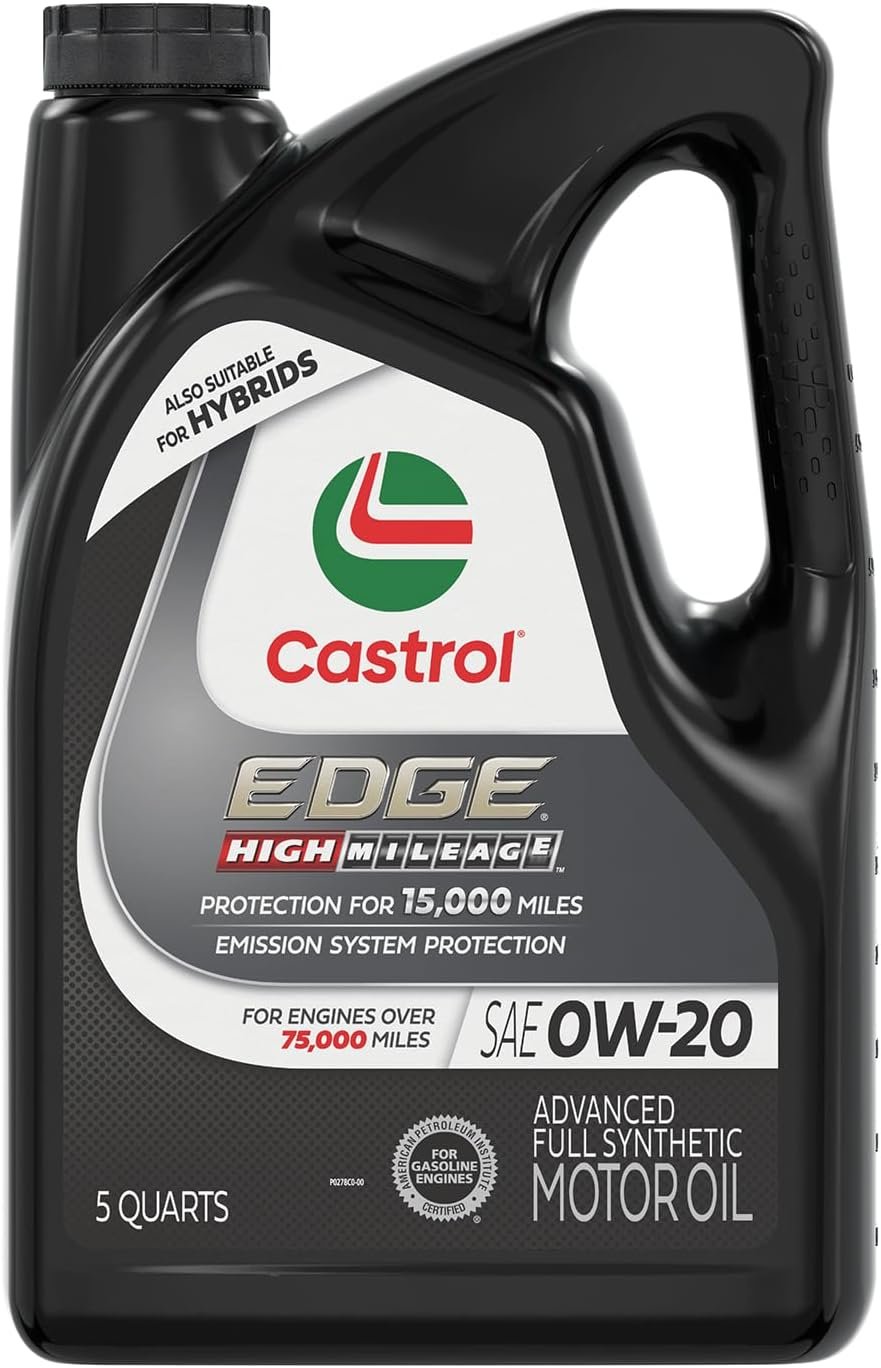
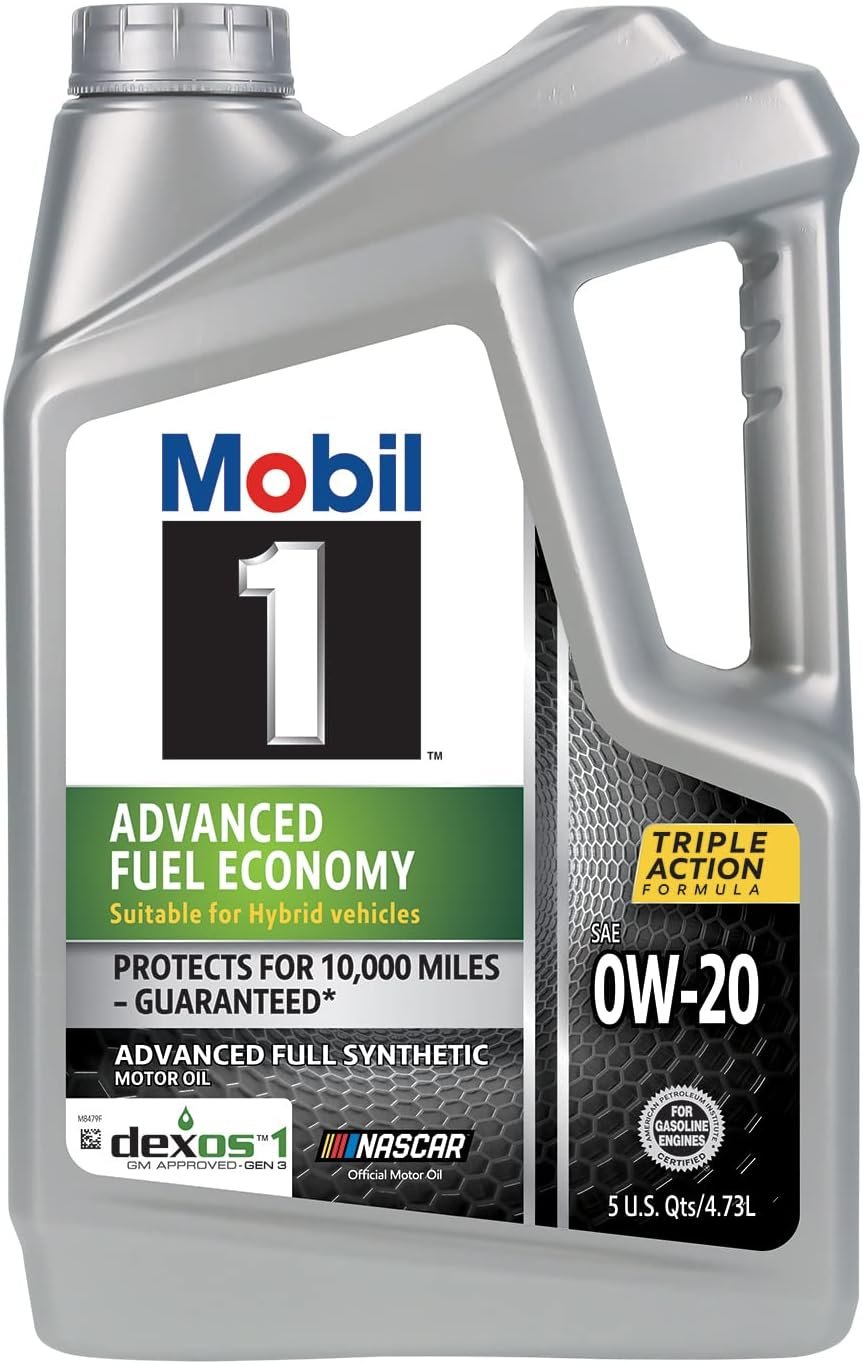
The Honda Pilot 4th gen 3.5L V6 (J35Y6) requires 5.7 quarts of SAE 0W-20 engine oil meeting API SP / ILSAC GF-6A at every service. Honda Genuine 0W-20 at $30-35 provides the OEM baseline. Mobil 1 Advanced Fuel Economy, Castrol EDGE Advanced, and Pennzoil Ultra Platinum offer excellent alternatives between $25 and $32 for 5-quart jugs.
The J35 engine family is one of Honda’s most proven powerplants, routinely delivering 200,000 miles and beyond with attentive maintenance. The 4th gen Pilot’s shift to direct injection introduces fuel dilution and carbon buildup concerns that did not exist in port-injected predecessors, but these are manageable with informed care. Change oil at 5,000 to 7,500 miles. Check the dipstick regularly for rising levels or gasoline smell, especially during cold-weather short-trip driving. Use Sport or Tow mode to bypass VCM4 if cylinder deactivation transitions bother you. Budget for walnut shell valve cleaning around 80,000 miles. The $30-60 spent on quality 0W-20 oil at sensible intervals is the cheapest insurance for an engine that rewards proper care with exceptional longevity.
Our Top Picks
As an Amazon Associate, we may earn from qualifying purchases. This doesn't affect our recommendations — we only suggest oils that hold the exact OEM approval for your engine.