 Oil-
Oil-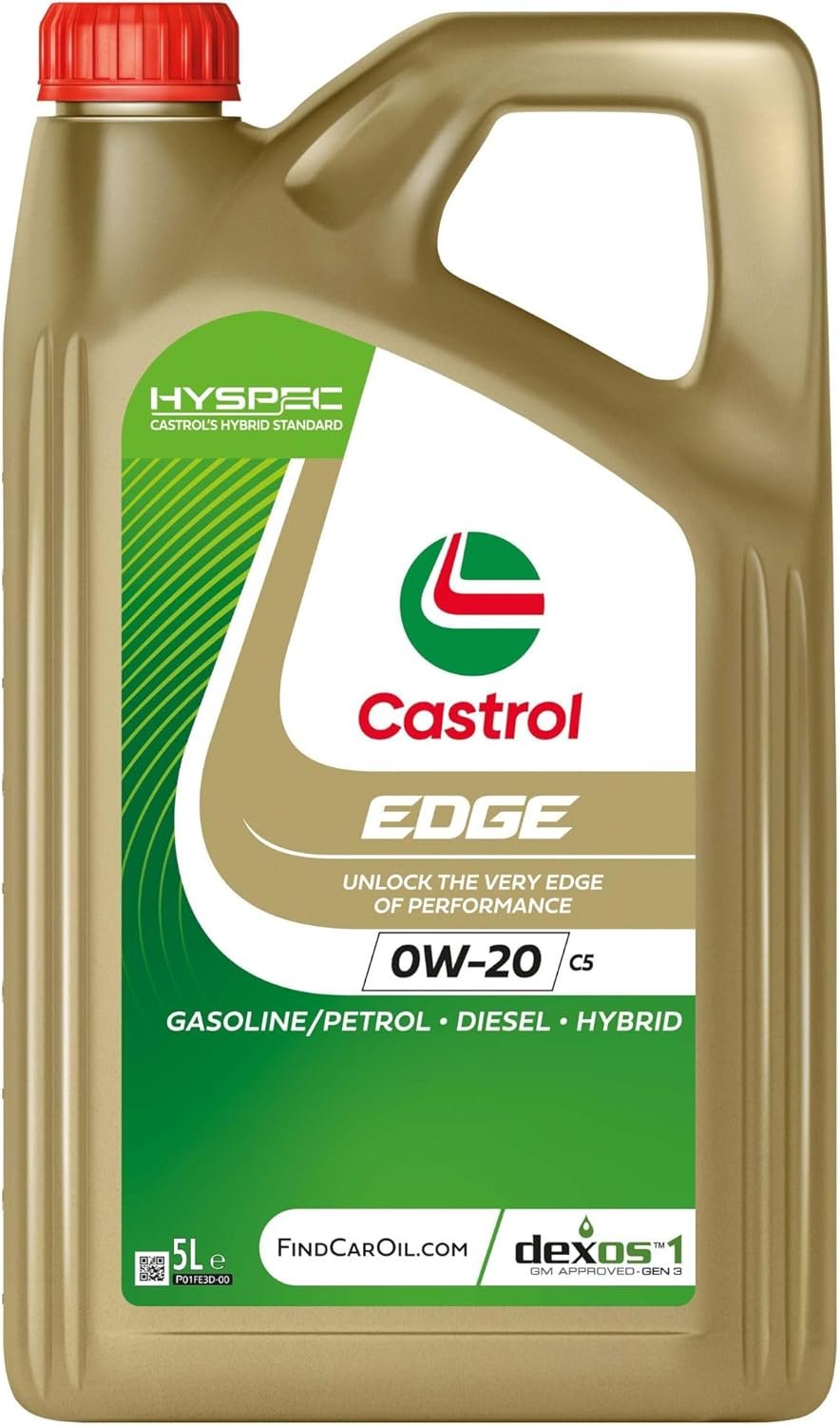
As an Amazon Associate, we may earn from qualifying purchases. This doesn't affect our recommendations — we only suggest oils that hold the exact OEM approval for your engine.
Best Engine Oil for Toyota 4Runner 5th Gen 4.0L V6 (270 HP) — 1GR-FE
The fifth-generation Toyota 4Runner (N280, 2010-present) is the last of a dying breed: a body-on-frame, rear-wheel-drive-based SUV powered by a naturally aspirated V6 in an era when nearly every competitor has switched to turbocharged four-cylinders and unibody construction. Its 4.0-liter 1GR-FE engine produces 270 horsepower and 278 lb-ft of torque through a five-speed automatic transmission, paired with either rear-wheel drive or Toyota’s legendary part-time and full-time four-wheel-drive systems. The 4Runner is an off-road icon with a fanatical owner base, and 250,000-mile examples with original engines are not remarkable — they are routine. Surveys consistently show roughly 70 percent of 4Runner owners pass 150,000 miles without a single major engine repair. But that durability depends on one thing above all else: correct oil, changed on time, every time. This guide covers the exact specification, capacity, known 1GR-FE issues, and the best oils for owners who plan to keep their 4Runner on the trail for decades.
Quick Answer: Recommended Oil
For Toyota 4Runner 5th Gen 4.0L V6 (270 HP, 1GR-FE):
- Specification: API SP / ILSAC GF-6A
- Preferred viscosity: SAE 0W-20
- Alternative viscosity: SAE 5W-30 (older recommendation, acceptable for high-mileage engines)
- Oil capacity: 6.2 quarts with filter (5.8 quarts without)
Key point: Toyota originally specified 5W-30 for the 1GR-FE when the 4Runner launched. In subsequent owner’s manual revisions, Toyota changed the primary recommendation to 0W-20, reflecting advances in synthetic oil formulation and the fuel economy benefits of lower viscosity. Both grades are safe for the 1GR-FE. For engines under 100,000 miles in moderate climates, 0W-20 is the correct choice. For high-mileage engines showing oil consumption or operating in sustained desert heat, 5W-30 remains a valid and sometimes preferable option.
The 1GR-FE Engine
The 1GR-FE is a 3,956cc 60-degree V6 that first appeared in 2002 and has powered Toyota trucks and SUVs across three continents for over two decades. In the 4Runner, it produces 270 horsepower at 5,600 RPM and 278 lb-ft of torque at 4,400 RPM. It is a conventional naturally aspirated design with no turbocharger, no supercharger, and no hybrid assist. Power comes from displacement, a 10.4:1 compression ratio, and Toyota’s Dual VVT-i variable valve timing on both intake and exhaust camshafts.
The engine uses a cast aluminum block with cast-iron cylinder liners, aluminum heads, and a DOHC 24-valve valvetrain driven by a timing chain. The fuel system is conventional multi-point port injection — no direct injection, which means no intake valve carbon buildup problems. The simplicity of the design is a major reason for the engine’s extraordinary longevity. There are fewer complex systems to fail, fewer precision tolerances to maintain, and fewer failure modes to manage. The 1GR-FE does not need walnut blasting at 100,000 miles, does not suffer from LSPI events, and does not require ultra-thin oil to operate its fuel system.
What makes the 1GR-FE a legend in Toyota circles is not any single engineering breakthrough. It is the accumulated result of conservative design decisions, generous material specifications, and a fundamental architecture that simply does not wear out at normal rates. The iron cylinder liners resist scoring far better than aluminum-only bores. The timing chain is robust and properly tensioned. The bearing surfaces are generously sized for the loads involved.
Understanding the Oil Specification
API SP and the Viscosity Switch
The 1GR-FE requires oil meeting API SP (or its predecessors SN, SM). API SP is the current top-tier gasoline engine oil standard and includes improved anti-wear protection, oxidation resistance, and LSPI prevention chemistry. While the naturally aspirated 1GR-FE is not susceptible to LSPI like direct-injected engines, the improved base oil quality and additive technology in API SP formulations benefit any engine.
Toyota’s switch from 5W-30 to 0W-20 as the primary recommendation for the 1GR-FE reflects a broader industry trend driven by fuel economy regulations. Modern 0W-20 full synthetic oils provide equivalent or superior wear protection compared to the 5W-30 conventional oils that were state of the art when the engine launched. The thinner oil reduces hydrodynamic friction at every bearing surface, improves fuel economy by one to two percent, and flows faster during cold starts to reach critical components sooner.
For 4Runner owners, this means 0W-20 API SP is the correct oil for engines in good mechanical condition. The “0W” cold-pour rating ensures rapid oil flow even in sub-zero temperatures, while the “20” operating viscosity provides adequate film strength for the 1GR-FE’s bearing clearances. For high-mileage engines that have developed measurable oil consumption, 5W-30 offers a slightly thicker oil film at operating temperature that can reduce consumption and maintain oil pressure in worn bearings.
Technical Specifications: 1GR-FE
| Specification | Value |
|---|---|
| Displacement | 3,956cc (4.0 liters) |
| Layout | 60-degree V6, aluminum block with iron liners, aluminum heads |
| Valvetrain | DOHC, 24 valves, Dual VVT-i, timing chain |
| Fuel System | Sequential multi-point fuel injection (port injection) |
| Power | 270 HP @ 5,600 RPM |
| Torque | 278 lb-ft @ 4,400 RPM |
| Compression Ratio | 10.4:1 |
| Fuel Type | Regular unleaded (87 octane minimum) |
| Preferred Viscosity | SAE 0W-20 |
| Alternative Viscosity | SAE 5W-30 |
| Oil Capacity (without filter) | 5.8 quarts (5.5 liters) |
| Oil Capacity (with filter) | 6.2 quarts (5.9 liters) |
| Oil Specification | API SP / ILSAC GF-6A |
| Timing | Chain (lifetime, no scheduled replacement) |
Oil Change Intervals
Toyota Official Recommendation:
- 10,000 miles or 12 months under normal conditions
- 5,000 miles or 6 months under severe conditions
What counts as severe conditions for the 4Runner:
- Off-road driving (dust, rocks, mud, sand, water crossings)
- Towing or hauling heavy loads
- Extended idling at trail obstacles or campsites
- Driving in dusty or sandy environments
- Repeated short trips under 10 miles
- Operating in sustained temperatures above 90 degrees F
The reality is that most 4Runners live under severe conditions. This vehicle exists to go places other SUVs cannot. If you drive forest roads, tow a trailer, cross streams, idle through rock gardens, or live anywhere with desert dust, you are on the severe schedule. Change at 5,000 miles. The owners who reach 250,000 miles and beyond are overwhelmingly the ones who never pushed past 5,000 miles between changes.
Common 1GR-FE Problems Related to Oil
Head Gasket Failure
The most significant known issue on the 1GR-FE is head gasket failure, typically appearing around 150,000 miles and most commonly affecting the cylinder #6 bank. Symptoms include external coolant leaks at the head-to-block mating surface, white exhaust smoke indicating coolant entering the combustion chamber, gradual coolant loss without visible external leaks, and in advanced cases, milky contamination on the oil filler cap. Coolant mixing with engine oil is a serious condition that destroys the oil’s lubricating properties and causes accelerated bearing wear. If you suspect a head gasket leak, stop driving and have the vehicle inspected immediately. A head gasket replacement on the 1GR-FE typically runs $1,800-3,000 at an independent shop.
Water Pump Failure
The water pump on the 1GR-FE is a known weak point, with failures commonly reported between 40,000 and 50,000 miles. While this is a cooling system component rather than a lubrication issue, the consequences of overheating directly impact engine oil. Sustained overheating breaks down oil’s molecular structure, destroys additive packages, and can warp cylinder heads leading to the gasket failures described above. Monitor your temperature gauge vigilantly and address any coolant leak or overheating event before it cascades into an oil contamination problem.
Timing Chain Tensioner
Approximately 10 percent of 1GR-FE engines experience timing chain tensioner issues, typically manifesting as a rattle or clatter at cold startup that diminishes as oil pressure builds. The tensioner is hydraulically operated by engine oil pressure, making oil quality and viscosity directly relevant. Degraded oil with poor cold-flow properties takes longer to build pressure after startup, leaving the tensioner under-pressurized and the chain loose for longer periods. Using the correct 0W-20 viscosity ensures the fastest possible pressure buildup at startup, minimizing the window of vulnerability. If you notice a persistent cold-start rattle, have the tensioner inspected before the chain jumps timing.
Oil Consumption and Leaks at High Mileage
As the 1GR-FE accumulates mileage beyond 150,000 miles, increasing oil consumption and external oil leaks become common. Valve cover gaskets, timing cover seals, and rear main seals gradually degrade. Minor seepage that leaves a thin oil film is normal for a high-mileage engine and does not require immediate repair. Active dripping or consumption exceeding one quart per 3,000 miles warrants investigation. Check your oil level at every fuel stop. With 6.2 quarts total capacity, the engine has reasonable reserves, but running a quart low reduces cooling capacity and concentrates contaminants.
Conclusion
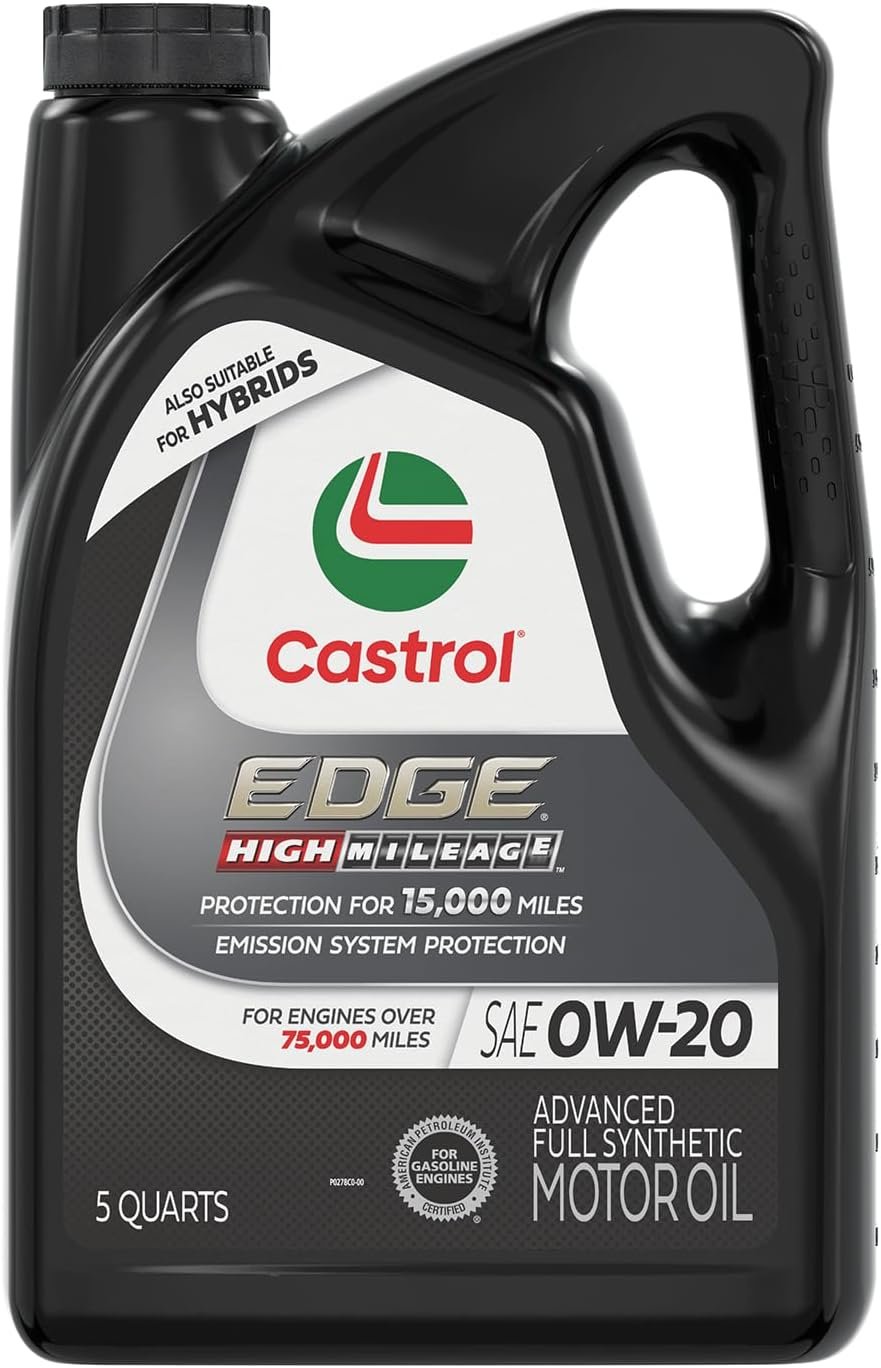
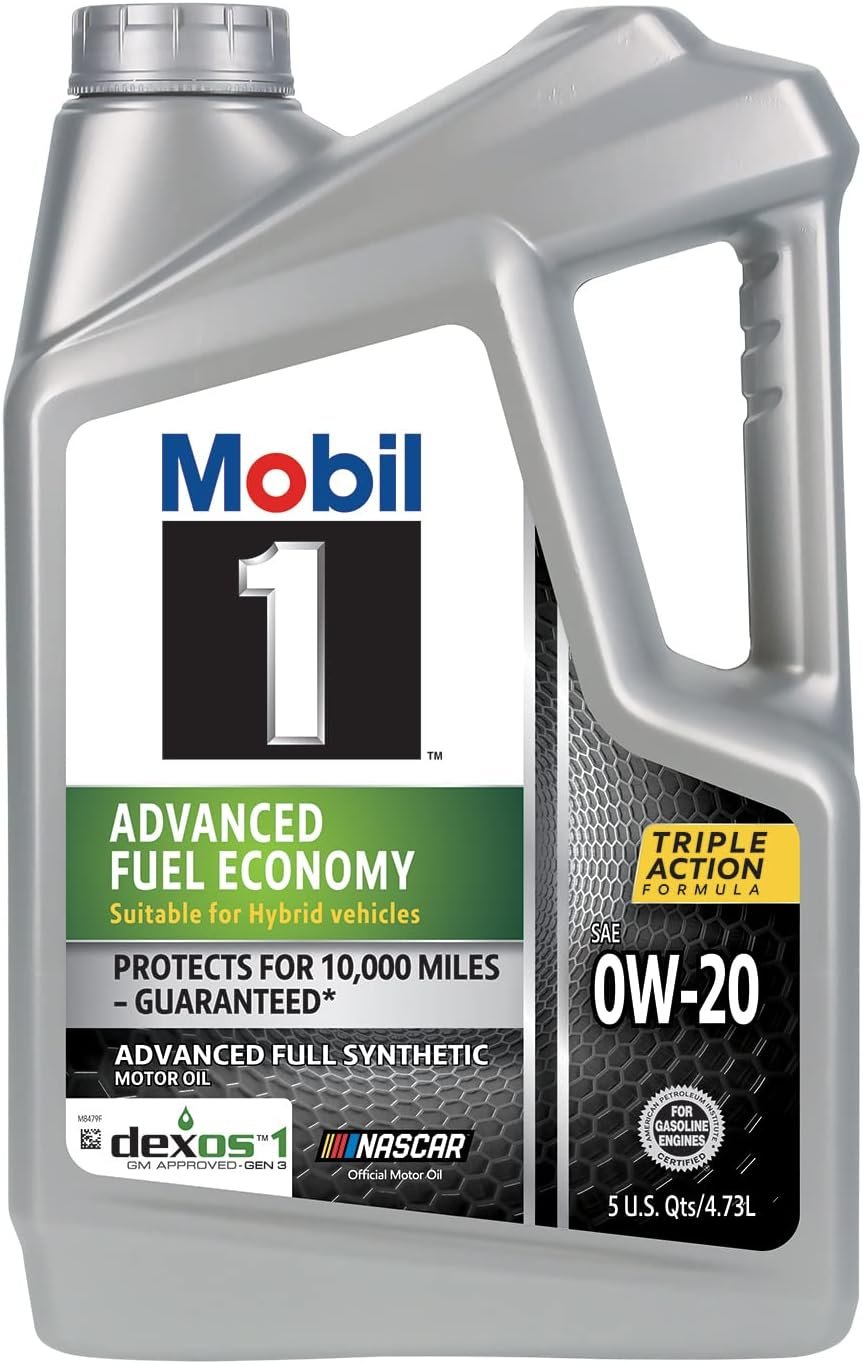
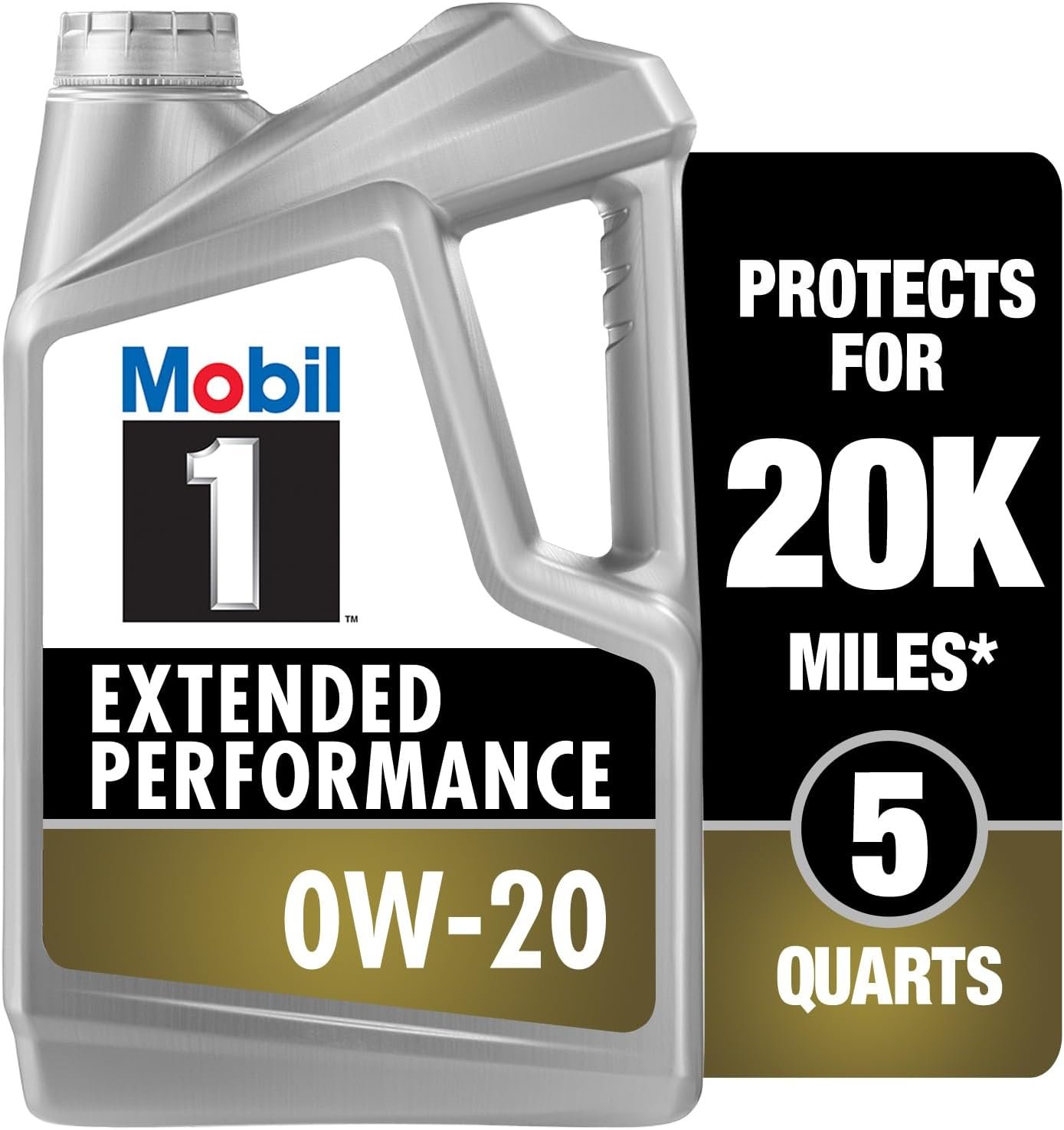
The Toyota 4Runner 5th Gen 4.0L V6 (1GR-FE) requires 6.2 quarts of API SP compliant SAE 0W-20 full synthetic engine oil at every service, with SAE 5W-30 as a valid alternative for high-mileage engines. Choose from Toyota Genuine 0W-20, Mobil 1 Extended Performance 0W-20, or Castrol EDGE Advanced 0W-20 for engines in good condition. High-mileage 4Runners benefit from Royal Purple HMX 5W-30 to address consumption and seal health.
The 1GR-FE is one of Toyota’s most durable engines, with a track record measured not in tens of thousands of miles but in hundreds of thousands. Watch for head gasket issues around 150,000 miles, replace the water pump proactively if it has not been done by 60,000 miles, listen for timing chain tensioner rattle at cold start, and change the oil at 5,000 miles if your 4Runner sees any off-road use — which, for this vehicle, is practically a certainty. The 4Runner’s reputation was built by engines that refuse to quit, and the 1GR-FE continues that legacy. Give it the correct oil on the correct schedule, and it will take you anywhere you point it for a very long time.
Our Top Picks
As an Amazon Associate, we may earn from qualifying purchases. This doesn't affect our recommendations — we only suggest oils that hold the exact OEM approval for your engine.