 Oil-
Oil-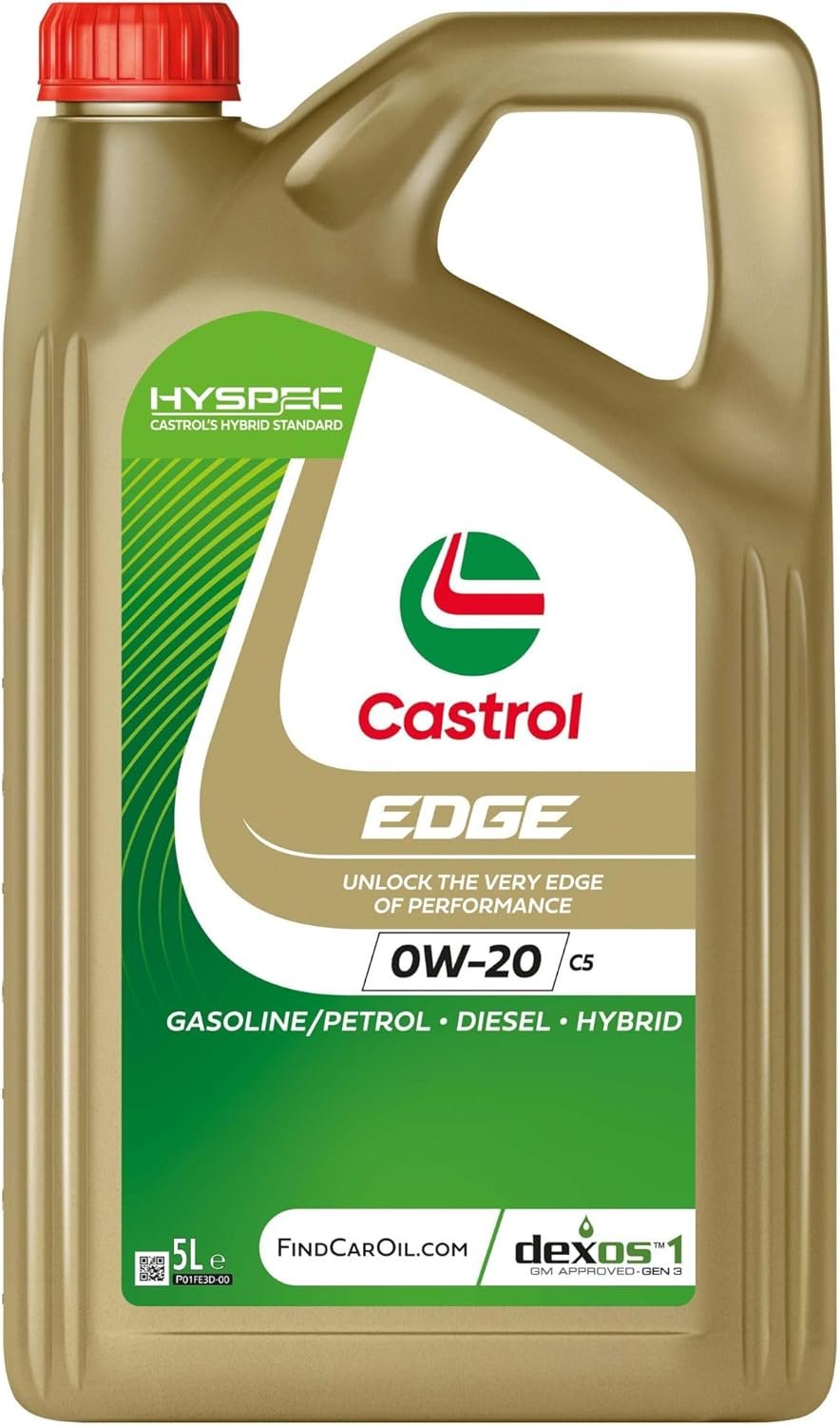
As an Amazon Associate, we may earn from qualifying purchases. This doesn't affect our recommendations — we only suggest oils that hold the exact OEM approval for your engine.
Best Engine Oil for Toyota Tacoma 3.5L V6 (278 HP) — 2GR-FKS
The third-generation Toyota Tacoma (2016-2023) powered by the 3.5-liter 2GR-FKS V6 is the best-selling midsize pickup in the United States. Owners routinely push past 200,000 miles, but the 2GR-FKS is not the bulletproof simplicity of the old 22RE four-cylinder. It is a modern dual-injection V6 with variable valve timing and engineering tolerances that demand the correct oil. A notorious timing cover oil leak, intake valve carbon buildup from D-4S direct injection, and water pump failures are all documented issues — and every one is influenced by the oil you choose and how often you change it. This guide covers the correct specification, capacity, and best oil choices for the Tacoma 3.5 V6 under both highway driving and the severe off-road conditions most Tacoma owners subject their trucks to.
Quick Answer: Recommended Oil
For Toyota Tacoma 3.5L V6 (278 HP, 2GR-FKS):
- Specification: API SP / ILSAC GF-6A
- Viscosity: SAE 0W-20
- Oil capacity: 6.2 quarts with filter (5.9 quarts without)
Critical: Only use 0W-20 full synthetic meeting API SP or ILSAC GF-6A. Do not use 5W-20 or 5W-30 thinking it provides better protection for truck duty. The bearing clearances, variable oil pump, and VVT-i hydraulic circuits are calibrated for 0W-20. Thicker oil disrupts this calibration and offers no benefit.
The 2GR-FKS Engine
The 2GR-FKS is a 3,456cc 60-degree V6 producing 278 horsepower at 6,000 RPM and 265 lb-ft of torque at 4,600 RPM. It replaced the 1GR-FE 4.0-liter V6 starting in 2016, paired with either a six-speed automatic or six-speed manual transmission and Toyota’s rear-wheel or four-wheel drive systems.
The defining feature is Toyota’s D-4S dual injection system, combining direct injection and port fuel injection in a single engine. Direct injection sprays fuel at high pressure into the combustion chamber for efficiency under load. Port injection sprays fuel into the intake port, washing over the intake valves. The ECU switches between both systems depending on load, RPM, and temperature. The D-4S system also mitigates the carbon buildup problem that plagues pure direct-injection engines — port injectors periodically clean the intake valves with fuel. It is effective but imperfect, and carbon buildup still occurs over high mileage.
The engine features Dual VVT-i on both intake and exhaust camshafts, a timing chain, and an aluminum block with cast-iron cylinder liners. The 11.8:1 compression ratio is high for a truck engine and contributes to strong thermal efficiency. A variable-displacement oil pump reduces parasitic losses at low loads — this is why 0W-20 is mandatory, as the pump calibration assumes 0W-20 flow characteristics.
Technical Specifications: 2GR-FKS
| Specification | Value |
|---|---|
| Displacement | 3,456cc (3.5 liters) |
| Layout | 60-degree V6, aluminum block, aluminum heads |
| Valvetrain | DOHC, 24 valves, Dual VVT-i, timing chain |
| Fuel System | D-4S dual injection (DI + PFI) |
| Power | 278 HP @ 6,000 RPM |
| Torque | 265 lb-ft @ 4,600 RPM |
| Compression Ratio | 11.8:1 |
| Fuel Type | Regular unleaded (87 octane minimum) |
| Recommended Viscosity | SAE 0W-20 |
| Oil Capacity (without filter) | 5.9 quarts (5.6 liters) |
| Oil Capacity (with filter) | 6.2 quarts (5.9 liters) |
| Oil Specification | API SP / ILSAC GF-6A |
| Timing | Chain (lifetime, no scheduled replacement) |
Understanding Toyota Oil Specifications
Toyota uses the API and ILSAC certification system rather than proprietary OEM specifications like European manufacturers. The current requirement is API SP, introduced in 2020 to replace API SN Plus. Two aspects of API SP matter most for the 2GR-FKS.
First, LSPI protection. Low-speed pre-ignition occurs during low-RPM, high-load conditions like towing uphill, and the 2GR-FKS’s 11.8:1 compression ratio makes it susceptible. A single LSPI event can cause catastrophic piston damage. API SP oils contain reformulated additive chemistry that dramatically reduces this risk.
Second, timing chain wear protection. The 2GR-FKS relies on its chain to synchronize four camshafts across two banks, with tensioners and VVT-i actuators hydraulically operated by oil pressure. API SP provides improved anti-wear protection for these components.
Any oil carrying both the API SP “donut” and the ILSAC GF-6A “starburst” marks meets every requirement. API SP is backward compatible, so current oils work in all 2016-2023 model years.
Known Issues and How Oil Affects Them
Timing Cover Oil Leaks
This is the most notorious problem on the 2GR-FKS in the Tacoma — among owners and mechanics, it is described as a “when, not if” failure. The front timing cover gasket and sealant degrade over time, causing oil to seep from the front of the engine. The leak typically appears between 60,000 and 120,000 miles, sometimes as early as 40,000. Left unaddressed, oil reaches the exhaust manifold, creating a burning smell and fire hazard.
Why this repair is so expensive: The timing cover is not accessible with the engine in the Tacoma’s bay. Resealing requires dropping the engine and transmission, and often the front subframe as well. Labor runs 15 to 25 hours. Total costs range from $2,400 to $4,000 at independent shops and can exceed $5,000 at dealerships.
Toyota issued Technical Service Bulletins and extended warranty coverage for some model years. Contact your dealer to verify TSB applicability and warranty status before the leak progresses.
Quality oil does not prevent seal failure, but full synthetic oils with strong oxidation resistance produce fewer acidic byproducts that attack seal and gasket materials. Maintaining correct oil level and change intervals keeps seal surfaces cleaner. Monitor the front of the engine at every oil change — early detection gives you time to plan the repair rather than dealing with an emergency.
D-4S Carbon Buildup on Intake Valves
Despite the D-4S dual injection system, carbon deposits accumulate on the intake valves over time. Symptoms include rough idle, misfires at cold start, and gradual power loss typically appearing after 80,000 to 100,000 miles. Walnut shell blasting is the established cleaning method. Oils with strong detergent packages help slow carbon accumulation, and regular highway driving activates the port injectors more frequently for additional valve washing.
Water Pump Failure
The water pump on the 2GR-FKS is a known failure point, typically failing between 90,000 and 120,000 miles. While not directly an oil issue, a failed water pump causes overheating, and an overheated engine destroys oil film strength within minutes. If your coolant temperature gauge climbs above normal, shut the engine off immediately. Replacing the water pump proactively around 100,000 miles is significantly cheaper than repairing heat-damaged bearings and cylinder walls. Monitor your temperature gauge and investigate any coolant loss immediately.
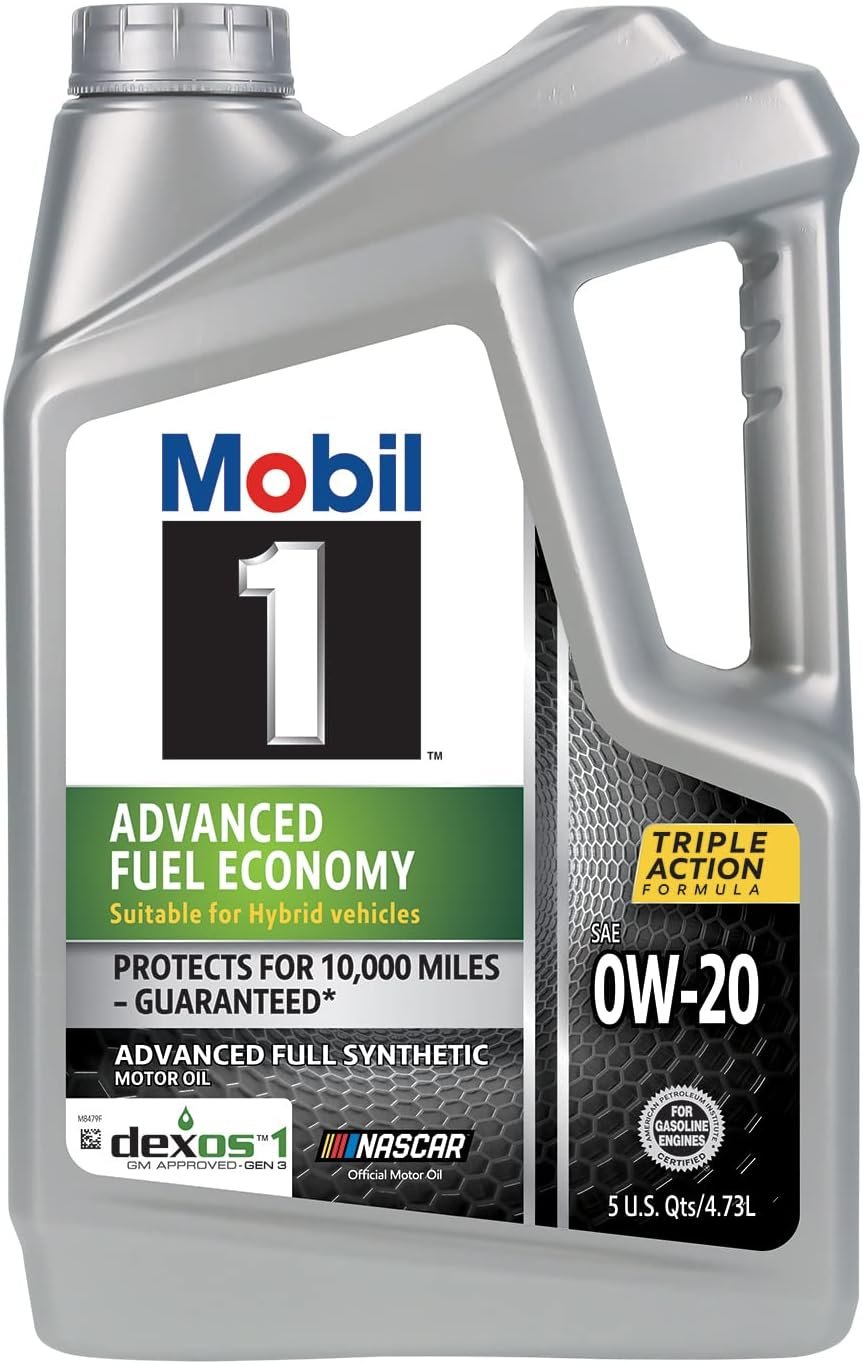
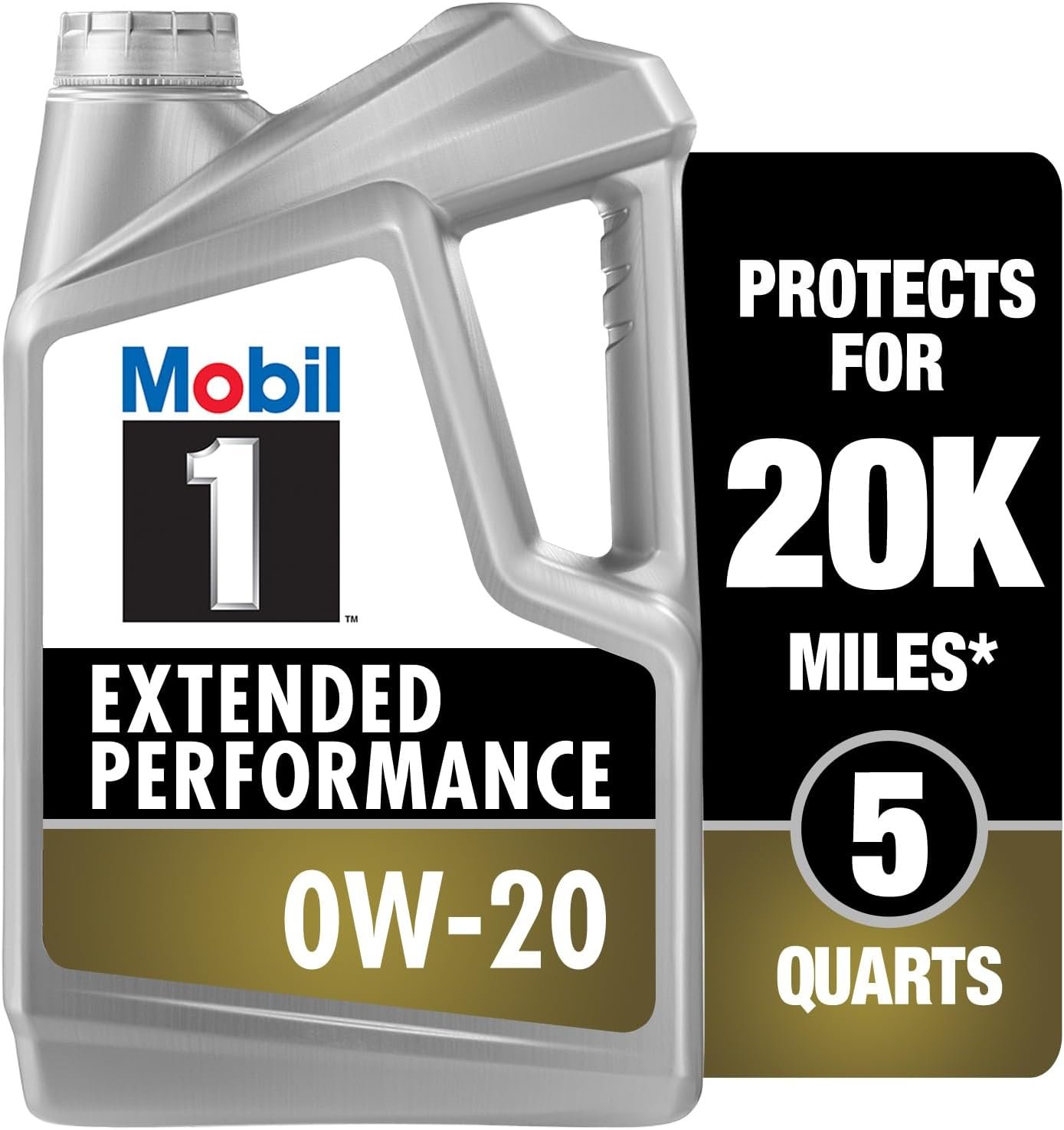
ExxonMobil’s extended-performance formula resists breakdown under sustained high-temperature operation from towing and off-road driving. Strong detergent package keeps VVT-i oil passages clean, and the anti-oxidation additive package maintains viscosity stability across the full drain interval.
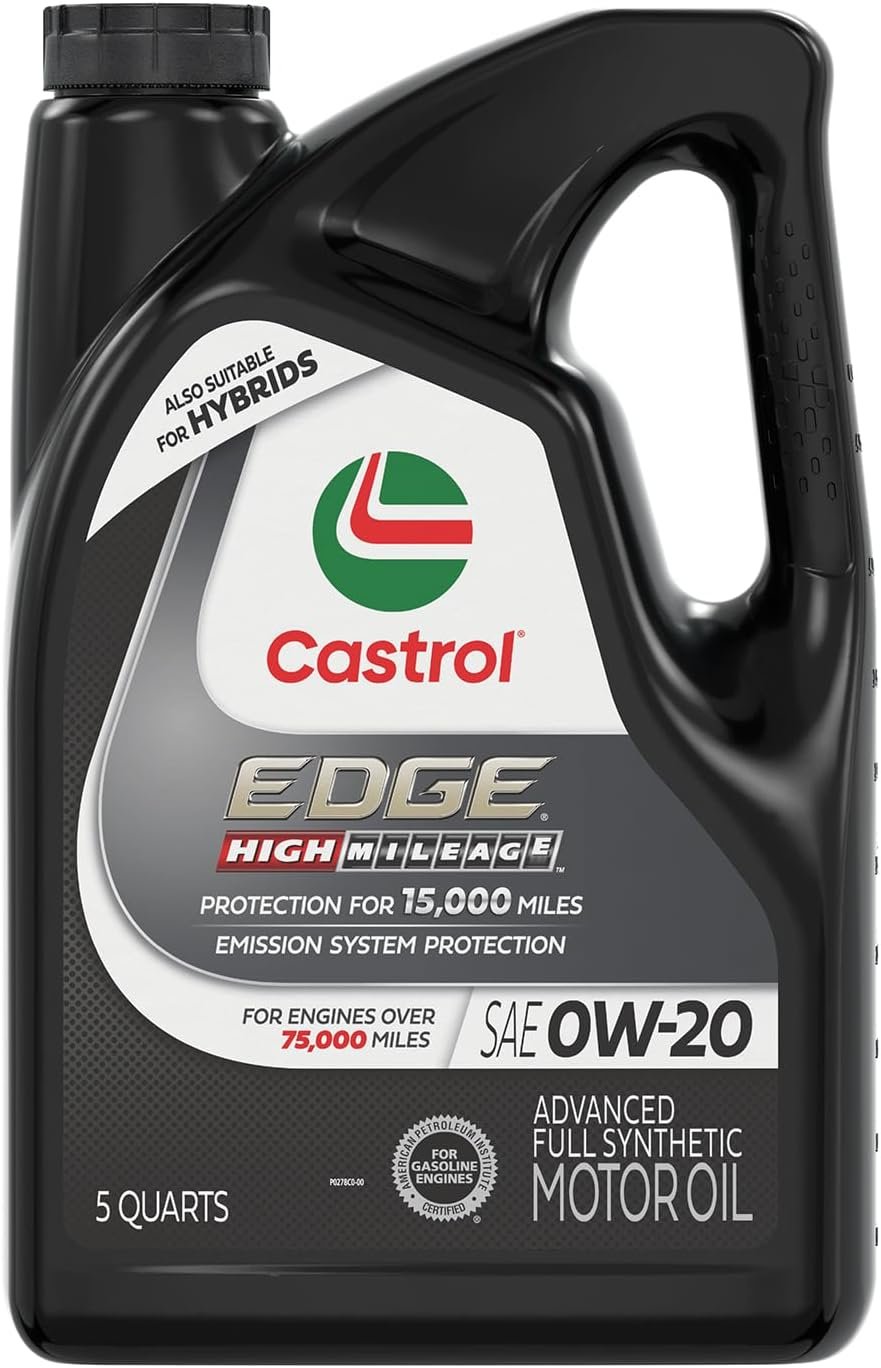
Castrol’s Fluid Titanium Technology delivers strong oil film strength under the high shear conditions found during towing and aggressive off-road driving. Effective LSPI protection and strong anti-wear properties for the timing chain and VVT-i system.
Best Value: Valvoline Advanced Full Synthetic 0W-20 (~$22-27/5 qt) Well-balanced additive package at the lowest price point. Widely available at Walmart, AutoZone, O’Reilly, and Amazon. For owners who shorten their change intervals due to off-road use or towing, the lower cost per change makes Valvoline the practical choice.
Oil Change Intervals
Toyota Official Recommendation:
- 10,000 miles or 12 months (whichever comes first) under normal conditions
- 5,000 miles or 6 months under severe conditions
Here is the reality: if you use your Tacoma as a truck, you are operating under severe conditions. Off-road driving, towing, hauling, dusty environments, extensive idling, and even stop-and-go city commuting all qualify. The 10,000-mile interval is designed for a Tacoma driven exclusively on paved highways at moderate speeds in mild weather. That describes very few Tacomas in actual service.
Recommended practice: 5,000 miles or 6 months for any Tacoma that sees regular off-road use, towing, dusty conditions, or predominantly city driving. Trucks driven exclusively on highways in moderate climates can safely extend to 7,500 miles. The cost of an extra oil change per year is trivial compared to a $2,400-4,000 timing cover reseal.
Conclusion
The Toyota Tacoma 3.5 V6 (2GR-FKS) requires 6.2 quarts of API SP compliant SAE 0W-20 full synthetic engine oil. Use Toyota Genuine 0W-20, Mobil 1 Extended Performance, Castrol EDGE Advanced, or Valvoline Advanced Full Synthetic. Change the oil at 5,000 miles if your Tacoma sees any off-road use, towing, or dusty conditions. Check your oil level regularly. Address timing cover leaks early before they become a $2,400-4,000 repair. Keep the water pump on your radar after 90,000 miles. Budget for walnut shell blasting of intake valves around 100,000 miles.
The 2GR-FKS is a 200,000-mile-plus engine when maintained correctly. The $50-65 spent on 6.2 quarts of quality 0W-20 every 5,000 miles is the cheapest investment you can make in a truck that holds its value better than almost anything else on the American road.
Our Top Picks
As an Amazon Associate, we may earn from qualifying purchases. This doesn't affect our recommendations — we only suggest oils that hold the exact OEM approval for your engine.