 Oil-
Oil-
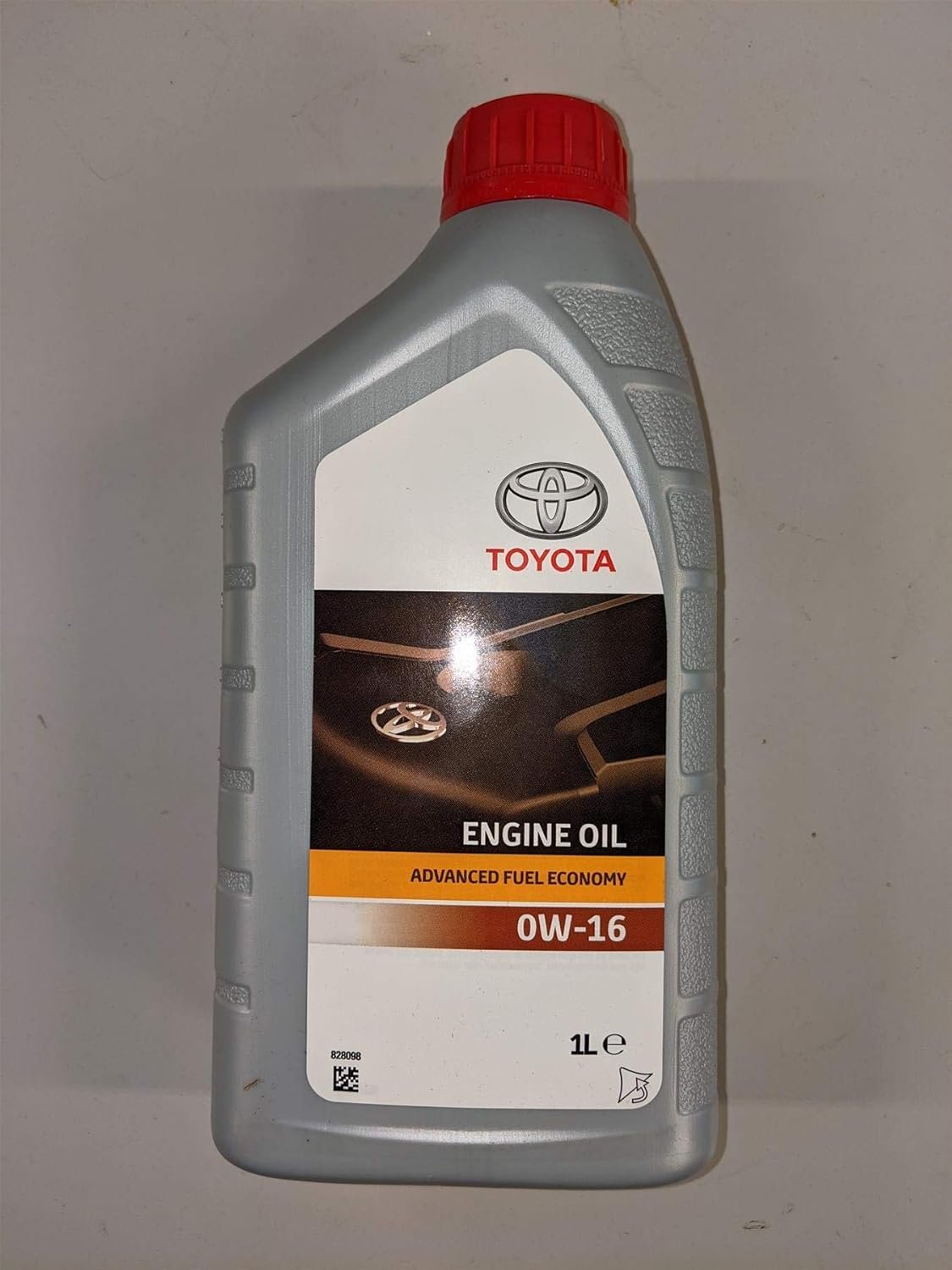
As an Amazon Associate, we may earn from qualifying purchases. This doesn't affect our recommendations — we only suggest oils that hold the exact OEM approval for your engine.
Best Engine Oil for Toyota Highlander XU70 2.5 Hybrid (243 HP) — A25A-FXS
The fourth-generation Toyota Highlander Hybrid (XU70, 2020-present) is America’s best-selling three-row hybrid SUV and a vehicle that routinely carries families, cargo, and the expectation of running forever with minimal fuss. Its powertrain centers on the A25A-FXS, a 2.5-liter Dynamic Force four-cylinder running an Atkinson cycle, paired with two electric motors in front-wheel-drive models or three in all-wheel-drive variants. The combined system output reaches 243 horsepower — enough to move nearly 4,500 pounds of family hauler while returning 36 MPG combined. The engine that makes this possible was engineered around a specific oil specification. Getting it right means the difference between a powertrain that lasts 250,000 miles and one that develops avoidable problems long before that mark. This guide covers the correct oil, capacity, known issues, and everything an owner needs to service the Highlander Hybrid with confidence.
Quick Answer: Recommended Oil
For Toyota Highlander 2.5 Hybrid (243 HP, A25A-FXS):
- Specification: API SP / ILSAC GF-6B
- Preferred viscosity: SAE 0W-16
- Alternative viscosity: SAE 0W-20 (one-time substitute only)
- Oil capacity: 4.8 quarts with filter (4.5 quarts without)
Key point: Toyota specifies 0W-16 as the primary viscosity for the A25A-FXS. The owner’s manual allows 0W-20 as a one-time substitute when 0W-16 is unavailable, but it should be replaced with 0W-16 at the next service. Do not use 0W-20 permanently — the engine’s bearing clearances, oil passage geometry, and friction targets were designed specifically around ultra-low viscosity oil.
The A25A-FXS Engine
The A25A-FXS is a 2,487cc inline four-cylinder engine from Toyota’s Dynamic Force family. In the Highlander Hybrid, the gasoline engine alone produces 185 horsepower at 6,000 RPM and 163 lb-ft of torque at 3,600-5,200 RPM. The higher combined system output of 243 horsepower (versus 219 HP in the RAV4 Hybrid) comes from a more powerful front electric motor and, in AWD models, an additional rear electric motor. The gasoline engine itself is mechanically identical to the unit in the RAV4 Hybrid and Camry Hybrid.
What makes this engine remarkable is its 41 percent thermal efficiency, achieved through a high-expansion-ratio Atkinson cycle with a 14.0:1 compression ratio. Toyota controls detonation at this extreme ratio using D-4S dual injection — a system that combines direct injection for high-load efficiency with port injection at lower loads to keep intake valves clean and reduce particulate emissions. The valvetrain uses DOHC with 16 valves, VVT-iE (electrically driven variable valve timing) on the intake side, and hydraulic VVT-i on the exhaust. The electric intake VVT-iE is particularly significant in hybrid duty because it does not depend on oil pressure to adjust valve timing during the frequent engine restarts that characterize hybrid operation.
The bore-and-stroke configuration of 87.5mm x 103.4mm creates a heavily undersquare design that favors low-RPM torque — ideal for a three-row family SUV that spends most of its life between 1,500 and 4,000 RPM in hybrid mode. The timing chain is designed to last the engine’s lifetime with no scheduled replacement, but its tensioner and the exhaust VVT-i actuator depend on consistent oil pressure and quality.
Understanding the Oil Specification
API SP and ILSAC GF-6B
The A25A-FXS requires oil meeting API SP, the current top-tier gasoline engine oil standard. API SP includes specific protections critical to this engine:
- LSPI protection: Low-Speed Pre-Ignition can occur in direct-injected engines when fuel droplets or oil mist in the combustion chamber ignite before the spark event. The A25A-FXS mitigates this risk through its dual-injection system, but API SP oil chemistry provides a necessary additional safeguard through carefully balanced calcium and molybdenum additive levels.
- Timing chain wear (Sequence X test): API SP introduced a dedicated test for timing chain elongation resistance. With the A25A-FXS relying on a lifetime chain, this protection directly extends the engine’s service life.
- Oxidation stability: Hybrid operation subjects oil to repeated thermal cycles as the engine starts, heats up, shuts down, cools, and restarts dozens of times per trip. API SP oils are formulated to resist breakdown under these conditions.
Oils carrying the ILSAC GF-6B designation also satisfy API SP requirements. GF-6B specifically covers 0W-16 viscosity grades and includes additional fuel economy testing.
Why 0W-16 Matters for the Highlander
The Highlander Hybrid’s role as a family hauler makes the oil specification more important than it might seem. This vehicle frequently operates in the exact conditions that stress engine oil the hardest: short school runs, cold morning commutes, stop-and-go suburban driving, and extended idle periods in carpool lines. The engine cycles on and off constantly during these trips, and 0W-16 flows through oil galleries and reaches bearing surfaces faster after each restart than heavier viscosity grades. That rapid protection during restarts — potentially hundreds per day in heavy traffic — is the primary engineering reason Toyota specified 0W-16 rather than 0W-20.
Technical Specifications: A25A-FXS in Highlander Hybrid
| Specification | Value |
|---|---|
| Displacement | 2,487cc (2.5 liters) |
| Layout | Inline-4, transverse, aluminum block and head |
| Cycle | Atkinson (high expansion ratio) |
| Injection | D-4S (direct + port injection) |
| Valvetrain | DOHC, 16 valves, timing chain, VVT-iE (intake) / VVT-i (exhaust) |
| Bore x Stroke | 87.5mm x 103.4mm |
| Compression Ratio | 14.0:1 |
| Power (engine alone) | 185 HP @ 6,000 RPM |
| Combined System Output | 243 HP |
| Torque | 163 lb-ft @ 3,600-5,200 RPM |
| Fuel Type | Regular unleaded (87 octane minimum) |
| Preferred Viscosity | SAE 0W-16 |
| Alternative Viscosity | SAE 0W-20 (one-time substitute only) |
| Oil Capacity (without filter) | 4.5 quarts (4.3 liters) |
| Oil Capacity (with filter) | 4.8 quarts (4.6 liters) |
| Oil Specification | API SP / ILSAC GF-6B |
| Timing | Chain (lifetime, no scheduled replacement) |
Budget Alternative: Valvoline Advanced Full Synthetic 0W-20 For owners who cannot find 0W-16 locally or who need a temporary substitute, Valvoline’s full synthetic 0W-20 provides reliable API SP protection. Widely available at every major auto parts store for $23-27 per 5 quarts. Remember that Toyota considers 0W-20 a one-time substitute — return to 0W-16 at the next service.
Oil Change Intervals
Toyota Official Recommendation:
- 10,000 miles or 12 months (whichever comes first)
The A25A-FXS is gentle on its oil. The naturally aspirated Atkinson cycle runs cooler exhaust gas temperatures than turbocharged engines, there is no turbocharger to degrade oil through coking, and the D-4S dual-injection system reduces the fuel dilution that plagues direct-injection-only engines. The hybrid system further reduces effective oil stress by cutting the engine’s total running hours per mile — the gasoline engine is simply off more often than in a conventional vehicle.
Consider shorter intervals (7,500 miles or 6 months) if:
- The vehicle is used primarily for short trips under 10 miles (school runs, suburban errands)
- You frequently idle for extended periods (carpool lines, drive-throughs)
- The vehicle operates in extreme heat or cold
- Mileage exceeds 150,000 miles
- You notice any oil consumption between services
At 4.8 quarts per change and $25-38 for quality 0W-16, oil changes are one of the cheapest maintenance items on the Highlander Hybrid. Do not extend intervals to save a few dollars per year.
Why Correct Oil Matters for the Highlander
The Highlander Hybrid weighs approximately 4,450 pounds — roughly 500 pounds more than a RAV4 Hybrid. That additional mass means higher bearing loads, greater thermal stress on the oil film at crankshaft journals and connecting rod bearings, and more energy extracted from the engine during acceleration and grade climbing. The A25A-FXS was not designed with excessive safety margins in its lubrication system. Toyota engineered the oil passages, bearing clearances, and piston ring tension around the specific film strength and flow characteristics of 0W-16. Using a heavier grade does not add protection — it increases parasitic drag, reduces fuel economy, and can starve tight-clearance components that depend on rapid oil delivery.
The hydraulic exhaust VVT-i actuator is particularly sensitive to oil quality. Degraded or incorrect-viscosity oil causes sluggish valve timing response, which manifests as rough idle, reduced power, and increased emissions. Over time, contaminated oil can damage the actuator’s internal seals, turning a maintenance issue into a component replacement.
Common Highlander Hybrid A25A-FXS Problems Related to Oil
Oil Emulsion from Short Cold Trips
This is the single most commonly reported oil concern among Highlander Hybrid owners, and it is more prevalent in this vehicle than in non-hybrid applications of the same engine. The hybrid system keeps the gasoline engine off during short, low-speed trips — the exact conditions where moisture accumulates in the crankcase. In a conventional vehicle, the engine runs long enough to reach full operating temperature and boil off condensation. In the Highlander Hybrid, the engine may never fully warm up during a 5-mile school run on a cold morning. The result is a milky, mayonnaise-like emulsion visible on the oil filler cap and sometimes on the dipstick.
Occasional emulsion on the filler cap is cosmetic and not harmful if the vehicle also makes regular longer trips that allow the engine to reach full operating temperature for 20 minutes or more. However, chronic short-trip driving in cold climates without periodic highway runs can allow moisture accumulation to reach levels that degrade the oil’s lubricating and anti-corrosion properties. If the emulsion is persistent and visible on the dipstick (not just the cap), shorten your oil change interval and make a point of taking the vehicle on a 30-minute highway drive at least once per week during cold months.
Fuel Odor from High-Pressure Fuel Pump Corrosion (TSB T-SB-0008-23)
Toyota issued Technical Service Bulletin T-SB-0008-23 addressing a fuel odor condition caused by internal corrosion of the high-pressure fuel pump. Affected vehicles may exhibit a noticeable gasoline smell, particularly after the engine has been running. In severe cases, the corroded pump can introduce metallic particles into the fuel system or allow fuel to seep past internal seals. While this is primarily a fuel system issue rather than an oil problem, fuel seeping past worn pump seals can enter the crankcase and dilute the engine oil, reducing its viscosity and protective properties below acceptable levels.
If you notice a persistent fuel smell, have the dealer inspect the high-pressure fuel pump. This repair is typically covered under warranty or the TSB. Check your oil level and condition — if the oil smells strongly of gasoline or the level reads above the full mark on the dipstick, fuel dilution is occurring and the oil should be changed immediately regardless of mileage.
EGR Cooler Cracks
The A25A-FXS’s exhaust gas recirculation system includes a cooler that can develop internal cracks, allowing engine coolant to leak into the combustion chamber. Symptoms include white exhaust smoke, a sweet smell from the tailpipe, unexplained coolant loss without visible external leaks, and in serious cases a milky residue on the oil filler cap that looks similar to moisture emulsion but persists even after long highway drives in warm weather. Coolant contamination of engine oil is a critical condition — coolant destroys the oil film and causes rapid bearing wear. If you suspect coolant intrusion, stop driving and have the EGR cooler inspected immediately. This is typically a warranty repair on vehicles within coverage.
Oil Consumption Monitoring
Some A25A-FXS engines develop measurable oil consumption over high mileage, typically from carbon buildup behind the oil control rings. With only 4.8 quarts total capacity, losing one quart represents over 20 percent of the engine’s oil volume. Check the dipstick every 3,000-5,000 miles and top up with the same specification oil. If consumption exceeds one quart per 3,000 miles, have the engine evaluated.
Conclusion
The Toyota Highlander XU70 2.5 Hybrid requires 4.8 quarts of API SP compliant SAE 0W-16 full synthetic engine oil at every service, with 0W-20 acceptable only as a temporary substitute. Toyota Genuine 0W-16, Mobil 1 Advanced Fuel Economy 0W-16, and Idemitsu 0W-16 are all proven choices — confirm the API SP rating on the bottle before purchase. Watch for oil emulsion during cold-weather short-trip driving, address any fuel odor promptly per TSB T-SB-0008-23, and monitor for EGR cooler issues if you notice unexplained coolant loss. The A25A-FXS is one of the most efficient and durable gasoline engines in production. Paired with the hybrid system, it is engineered to deliver 250,000 miles and beyond in a vehicle that carries your family every day. Use the oil Toyota specified, service it on schedule, and the powertrain will hold up its end of the bargain.
Our Top Picks
As an Amazon Associate, we may earn from qualifying purchases. This doesn't affect our recommendations — we only suggest oils that hold the exact OEM approval for your engine.