 Oil-
Oil-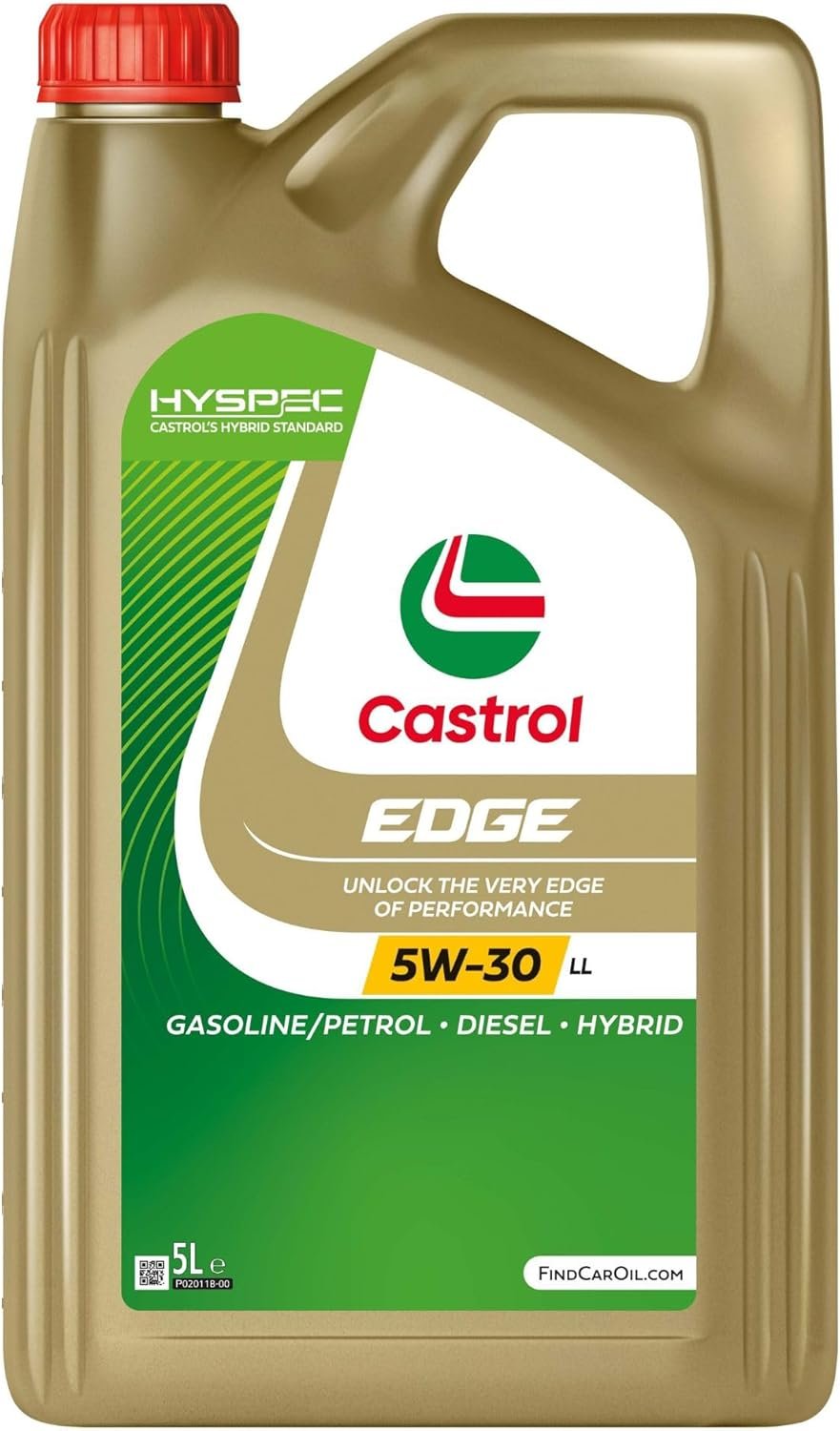
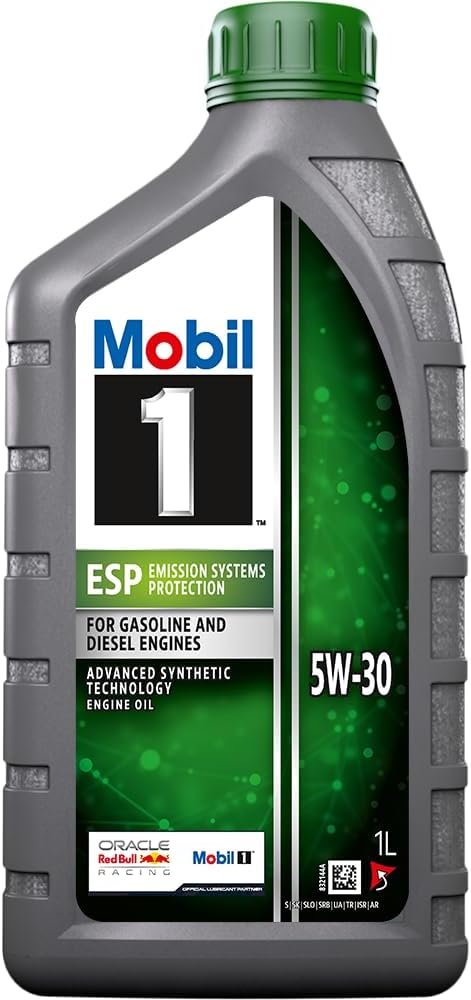
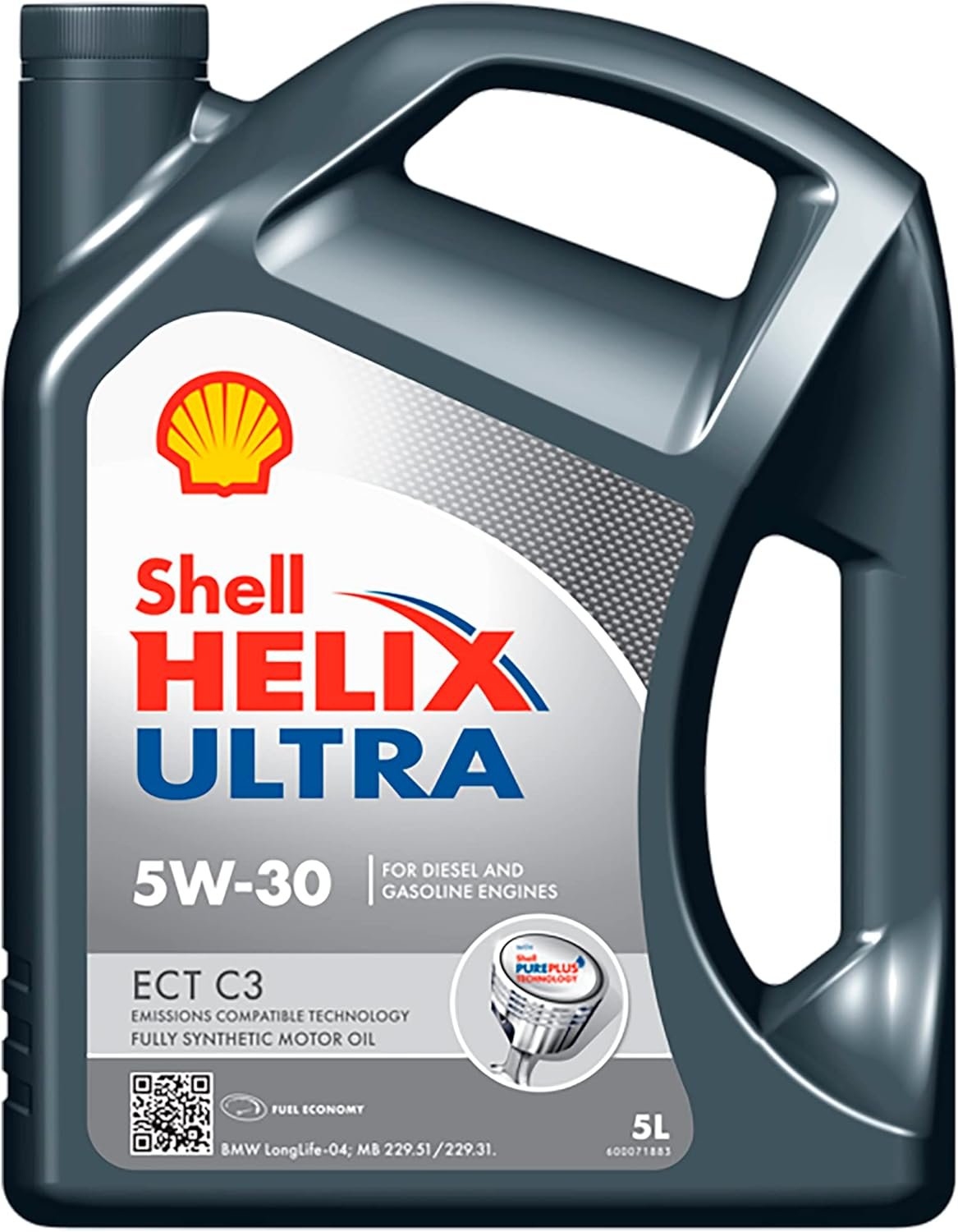
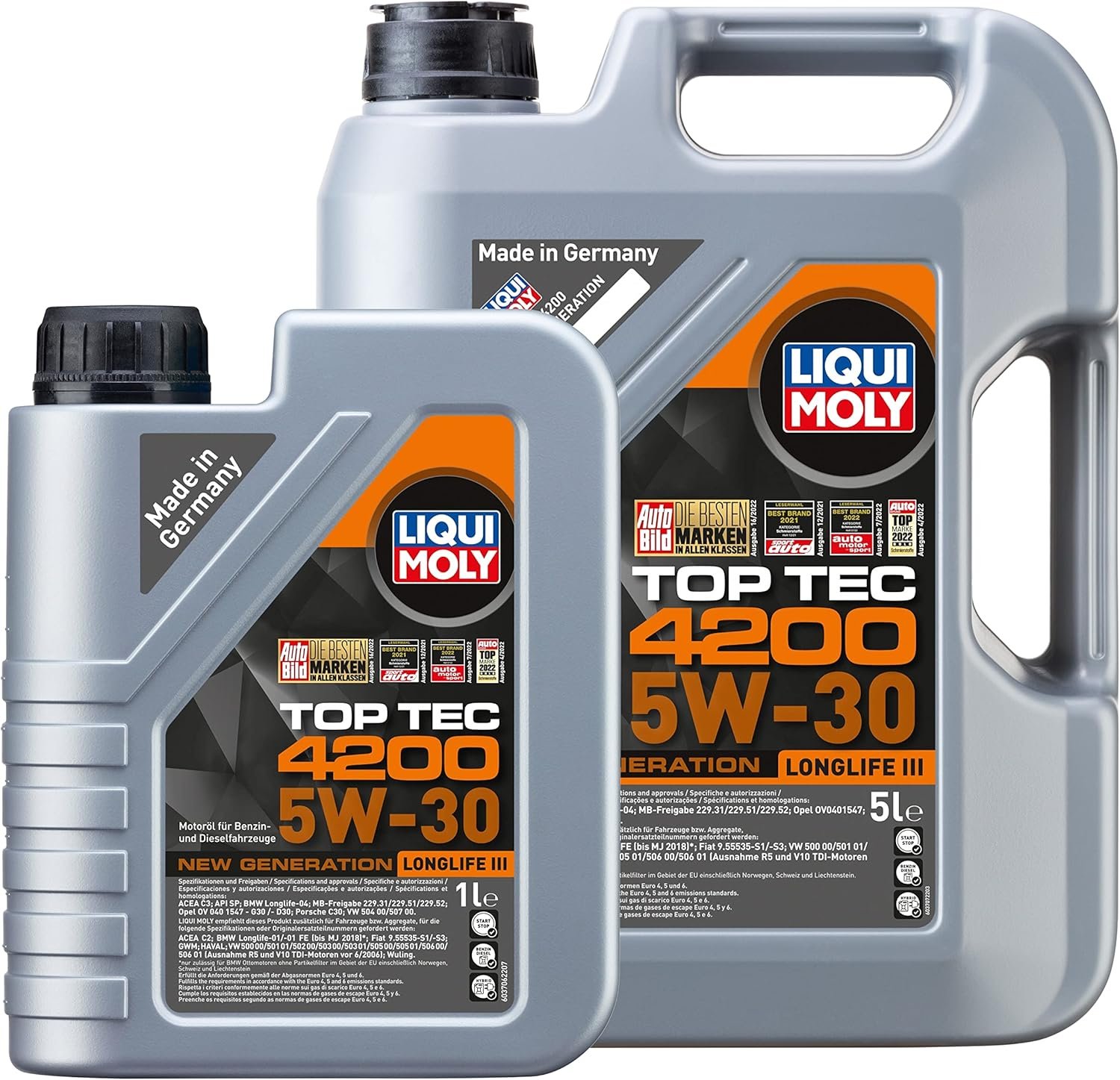
As an Amazon Associate, we may earn from qualifying purchases. This doesn't affect our recommendations — we only suggest oils that hold the exact OEM approval for your engine.
Best Engine Oil for Volkswagen Transporter T6/T6.1 2.0 TDI (110/150/204 HP)
The Volkswagen Transporter is an icon of British commercial and leisure motoring. The T6 (2015-2019) and T6.1 (2019 onwards) share the same basic platform with progressively refined electronics and emissions hardware. All petrol and diesel variants use the 2.0 TDI from the EA288 family, available in three power outputs: 110 HP (single turbo), 150 HP (single turbo), and 204 HP (bi-turbo). With a gross vehicle weight of up to 3,200 kg, payload capacities exceeding 1,000 kg, and applications ranging from panel vans to campervan conversions, the Transporter places extraordinary demands on its engine oil. At 7.0 litres with filter, it holds the largest oil capacity of any VW passenger/commercial vehicle using this engine family — and every drop of that oil needs to meet VW 507 00 specification.
Quick Answer: Recommended Oil
For VW Transporter T6/T6.1 2.0 TDI (110/150/204 HP):
- Recommended viscosity: SAE 5W-30
- Oil capacity: 7.0 litres with filter (6.5 L without)
- Required norms: ACEA C3, VW 507 00
Note: You will need two 5-litre containers (10L total) to complete an oil change with filter. Keep the remaining 3 litres for top-ups between services — the Transporter’s 2.0 TDI can consume 0.5 litres per 5,000 miles under heavy commercial use.
Three Power Variants, Different Turbo Configurations
110 HP (CXGB — single turbo): The base commercial variant produces 110 HP at 3,500 RPM and 250 Nm from 1,500-3,200 RPM. A single variable-geometry turbocharger provides adequate boost for unladen and lightly loaded work. This is the most commonly specified variant for panel van and minibus applications where payload matters more than performance.
150 HP (single turbo): The mid-range option delivers 150 HP and 340 Nm, sharing its turbo configuration with the Golf 7 2.0 TDI but calibrated for the Transporter’s heavier mass. This is the sweet spot for most owners, providing sufficient performance when loaded while maintaining good fuel economy.
204 HP (DNAA — bi-turbo): The range-topping variant uses a sequential bi-turbo system — a small, low-inertia turbo for rapid low-RPM response and a larger turbo for high-RPM power. Producing 204 HP and 450 Nm, it transforms the Transporter’s driving experience but adds complexity to the oil system. Both turbochargers share the engine’s oil supply, and the sequential handover between turbos creates thermal cycling that tests oil stability.
All three variants share the same 7.0-litre oil capacity and VW 507 00 requirement. The bi-turbo 204 HP variant is the most thermally demanding and benefits most from premium synthetic oils with high oxidation stability.
7.0 Litres: Why the Transporter Needs More Oil
The Transporter’s oil capacity is 50% greater than the Golf 7 or Passat B8 using the same engine. This larger sump serves several purposes specific to the Transporter application:
Thermal mass. A larger oil volume absorbs more heat before temperature rises, providing a buffer during heavy-load driving. When towing, climbing with payload, or sustained motorway cruising at near-GVW, the additional oil volume prevents the extreme temperature spikes that can occur in smaller sumps.
Extended drain intervals. VW designed the larger capacity to support LongLife service intervals in commercial use, where workshop time is a direct cost to the operator. More oil means more additive reserve to neutralise acids and suspend contaminants over extended mileages.
Oil consumption tolerance. Commercial vehicles consume more oil than passenger cars due to higher sustained loads, longer operating hours, and more frequent DPF regeneration. The 7.0-litre starting volume provides a larger margin before the level drops to minimum, reducing the risk of oil starvation between services.
Campervan Conversions: A Different Oil Stress
A significant proportion of UK Transporters are converted to campervans — California, Caravelle, and aftermarket conversions. These vehicles face a unique oil stress profile that differs from both passenger and commercial use:
Seasonal heavy use. Campervans may sit unused for weeks, then cover thousands of miles during holiday periods. Sitting idle allows oil to drain from bearing surfaces, and the first start after extended storage subjects the engine to conditions approaching a cold start even in warm weather.
Loaded climbing. Fully loaded campervans with occupants, water, and equipment can approach GVW. Mountain passes and coastal roads in popular camping destinations create sustained high-load conditions.
Altitude and cooling. Higher altitude camping destinations mean thinner air, reducing turbo efficiency and requiring more boost to maintain power. The engine works harder, and oil temperatures rise.
For campervan owners, annual oil changes regardless of mileage are essential. The oil degrades during extended storage through moisture absorption and oxidation, even without the engine running.
Technical Specifications: 2.0 TDI EA288
| Specification | Value |
|---|---|
| Displacement | 1,968cc (2.0 litres) |
| Layout | Inline-4, transverse, iron block, aluminium head |
| Valvetrain | DOHC, 16 valves |
| Timing System | Dry timing belt |
| Turbocharger | Single VGT (110/150 HP) / Sequential bi-turbo (204 HP) |
| Injection | Common-rail, up to 2,000 bar |
| Power | 110 / 150 / 204 HP |
| Torque | 250 / 340 / 450 Nm |
| Emissions | Euro 6 — DPF + SCR (AdBlue) + EGR |
| Recommended Viscosity | SAE 5W-30 |
| Oil Capacity (without filter) | 6.5 litres |
| Oil Capacity (with filter) | 7.0 litres |
| ACEA Norm | C3 |
| VW Norm | VW 507 00 |
Best Value: Total Quartz INEO LongLife 5W-30 The most economical VW 507 00 option for commercial operators who change oil frequently. Reliable protection at the lowest per-change cost. Two 5L containers at £64-76 total.
Oil Change Intervals
Volkswagen Official Recommendation:
- LongLife service: up to 18,600 miles or 24 months
- Fixed service: 10,000 miles or 12 months
Recommended Practice:
- Commercial panel van: 8,000-10,000 miles or 6-12 months
- Campervan (regular use): 10,000 miles or 12 months
- Campervan (seasonal): annually regardless of mileage
Reduce to 6,000-8,000 miles if:
- Urban delivery or courier service
- Regular towing near maximum capacity
- The 204 HP bi-turbo variant under heavy use
- Oil consumption exceeds 1 litre per 5,000 miles
- DPF issues have occurred previously
Conclusion
The Volkswagen Transporter T6/T6.1 2.0 TDI requires SAE 5W-30 engine oil meeting ACEA C3 and VW 507 00, with a capacity of 7.0 litres including the filter. Whether used as a commercial workhorse, a family transporter, or a campervan, the T6’s EA288 engine operates under greater sustained loads than any other VW passenger/commercial vehicle sharing this platform.
Castrol EDGE Professional LL III 5W-30 is the factory partner’s choice. Budget for two 5L containers per oil change plus a spare for top-ups. The Transporter rewards correct oil specification and sensible change intervals with the dependable, economical service that has made it the default choice for British tradespeople and campervan enthusiasts for decades.
Our Top Picks
As an Amazon Associate, we may earn from qualifying purchases. This doesn't affect our recommendations — we only suggest oils that hold the exact OEM approval for your engine.