 Oil-
Oil-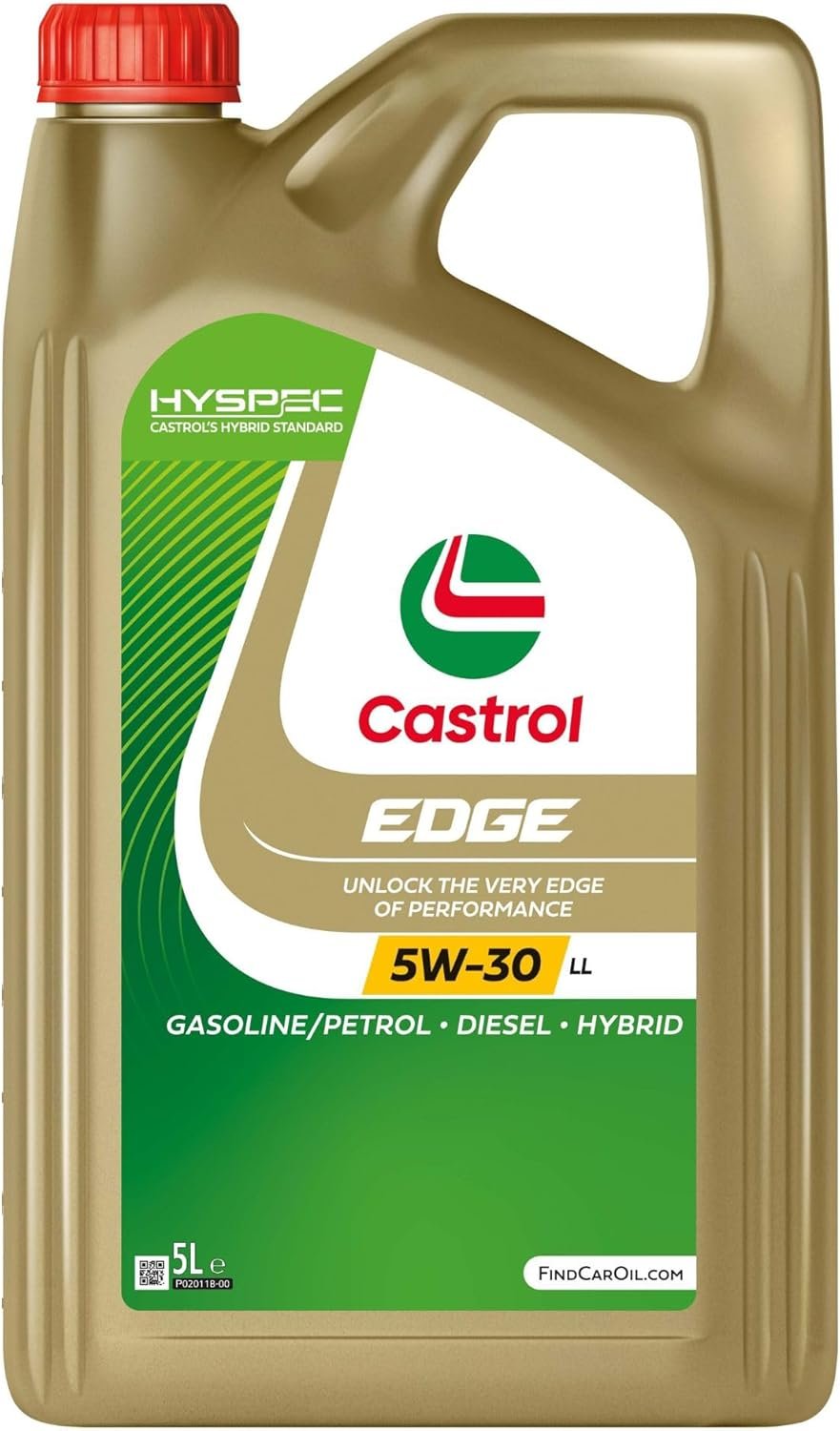
As an Amazon Associate, we may earn from qualifying purchases. This doesn't affect our recommendations — we only suggest oils that hold the exact OEM approval for your engine.
Best Engine Oil for Volkswagen Caddy 2.0 TDI (102/122 HP)
The fifth-generation Volkswagen Caddy, launched in 2020 on the MQB Evo platform, transformed VW’s compact van from a commercial workhorse into a dual-purpose vehicle that serves tradespeople, courier drivers, and families with equal competence. Its 2.0 TDI engine, part of the EA288 Evo family, comes in two outputs: 102 HP (DTRC) and 122 HP (DTRF), both producing the kind of low-end torque that loaded vans depend upon. Commercial vehicles face unique oil demands — heavy payloads, extended idle periods, stop-start delivery routes, and high annual mileages that push oil far harder than typical passenger car usage. This guide covers what the Caddy 2.0 TDI specifically requires.
Quick Answer: Recommended Oil
For VW Caddy 5th Gen 2.0 TDI (102/122 HP):
- Recommended viscosity: SAE 5W-30
- Oil capacity: 4.6 litres with filter (4.3 L without)
- Required norms: ACEA C3, VW 507 00
The EA288 Evo in Commercial Service
The DTRC (102 HP / 280 Nm) and DTRF (122 HP / 320 Nm) are detuned variants of the EA288 diesel family, optimised for durability and fuel economy rather than outright performance. Both use common-rail injection at up to 2,000 bar, a variable-geometry turbocharger, and the full Euro 6d emissions suite including DPF, SCR with AdBlue, and dual-circuit EGR.
The Caddy’s maximum payload of 730 kg (panel van) means the engine regularly operates under loads that passenger cars rarely experience. A fully loaded Caddy weighs up to 2,160 kg — significantly more than even a loaded Passat estate. This payload creates sustained high torque demand, particularly in urban delivery conditions with frequent starts from rest, hill climbs, and roundabout entries.
The 4.6-litre oil capacity is modest for a commercial diesel engine operating under these loads. The oil must manage higher sustained temperatures than the same engine in a Golf, where typical loads are 60-80% lower. Oil degradation accelerates proportionally with loading, making the commercial Caddy one of the most oil-sensitive applications in the EA288 range.
Commercial Vehicle Oil Demands
Commercial Caddy usage creates three specific stresses that passenger car owners rarely encounter:
Extended Idle Time. Courier drivers, tradespeople, and mobile workers often leave the engine idling while loading, unloading, or working at a site. Extended idling keeps the engine at sub-optimal temperatures — too hot for the oil to rest but too cool for full-temperature protection. Fuel dilution increases because combustion is incomplete at idle, and the DPF cannot regenerate at idle temperatures. The oil accumulates fuel and soot without the thermal cycling that burns them off during normal driving.
Stop-Start Urban Delivery. Multi-drop delivery routes involve hundreds of engine starts per day, each one a cold-start micro-cycle for the oil system. Oil pressure surges during each start stress the oil pump and filter, while frequent cold injector operation maximises fuel wash past the piston rings.
High Annual Mileage. Commercial Caddys commonly cover 25,000-40,000 miles per year. At VW’s LongLife interval of 18,600 miles, this means one to two oil changes annually. However, the oil in a commercial van at 18,600 miles has experienced far more stress than the same mileage in a passenger car, due to the loading and duty cycle differences described above.
DPF Management in Commercial Use
The DPF challenge on a commercial Caddy is severe. Urban delivery routes — the most common Caddy usage pattern — provide almost no opportunity for passive DPF regeneration. The engine rarely sustains the speeds and exhaust temperatures needed for passive soot oxidation.
Active regeneration must therefore handle the entire soot load. Each active regeneration cycle injects additional fuel, some of which dilutes the sump oil. In a van covering 30,000 urban miles per year, the DPF may attempt active regeneration hundreds of times, with many attempts aborted because the driver stopped the engine to make a delivery.
VW 507 00 oil minimises two components of this problem. Its low-SAPS formulation produces less permanent ash in the DPF, extending the filter’s life before blockage. And its resistance to fuel dilution maintains viscosity protection even as delivery-pattern driving progressively contaminates the oil.
Technical Specifications: 2.0 TDI EA288 Evo
| Specification | Value |
|---|---|
| Displacement | 1,968cc (2.0 litres) |
| Layout | Inline-4, transverse, iron block, aluminium head |
| Valvetrain | DOHC, 16 valves |
| Timing System | Dry timing belt |
| Turbocharger | Variable-geometry (VNT) |
| Injection | Common-rail, up to 2,000 bar |
| Power | 102 HP (DTRC) / 122 HP (DTRF) |
| Torque | 280 Nm (DTRC) / 320 Nm (DTRF) |
| Emissions | Euro 6d — DPF + SCR (AdBlue) + EGR |
| Recommended Viscosity | SAE 5W-30 |
| Oil Capacity (without filter) | 4.3 litres |
| Oil Capacity (with filter) | 4.6 litres |
| ACEA Norm | C3 |
| VW Norm | VW 507 00 |
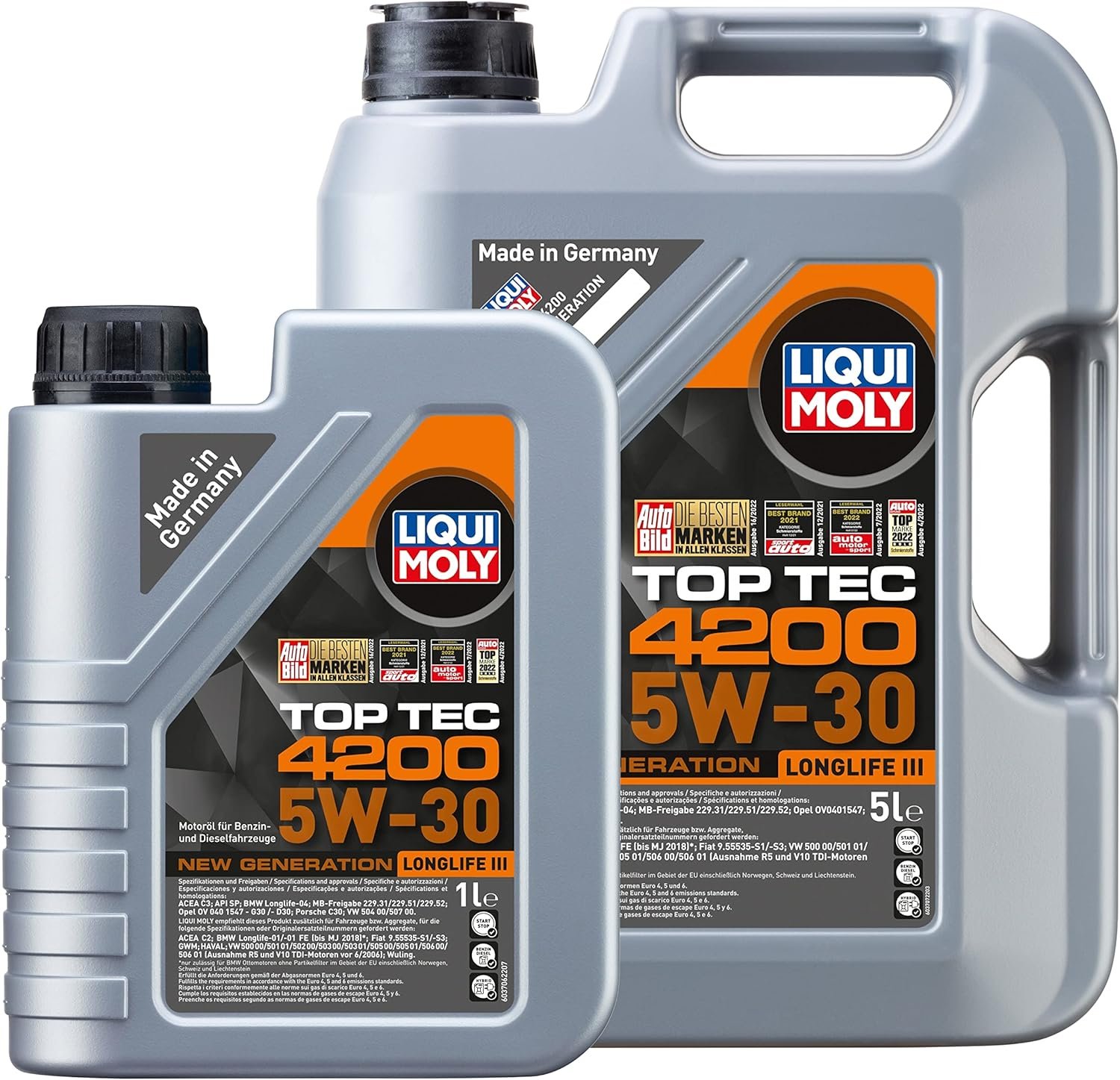
Best Value: Total Quartz INEO LongLife 5W-30 TotalEnergies’ VW 507 00-approved formula at a competitive price. Reliable protection for commercial operators who change oil more frequently and benefit from lower per-change costs. At £32-38 for 5 litres.
Oil Change Intervals
Volkswagen Official Recommendation:
- LongLife service: up to 18,600 miles or 24 months
- Fixed service: 10,000 miles or 12 months
Recommended Practice for Commercial Use: 8,000 miles or 6 months, whichever comes first.
VW’s service intervals are calibrated for mixed driving conditions. Commercial Caddy usage — predominantly urban, heavily loaded, with frequent idling and stop-start cycling — degrades oil approximately twice as fast as the passenger car driving the LongLife algorithm assumes.
Reduce to 6,000 miles if:
- Predominantly urban delivery or courier work
- Extensive daily idling (more than 30 minutes cumulative)
- Payload consistently near maximum
- DPF warning light has appeared
- Oil appears black and thin before the 8,000-mile mark
Conclusion
The Volkswagen Caddy 2.0 TDI requires SAE 5W-30 engine oil meeting ACEA C3 and VW 507 00, with a capacity of 4.6 litres including the filter. As a commercial vehicle, the Caddy subjects the EA288 Evo to stresses that exceed typical passenger car usage — heavier loads, more frequent starts, extended idle time, and urban DPF challenges.
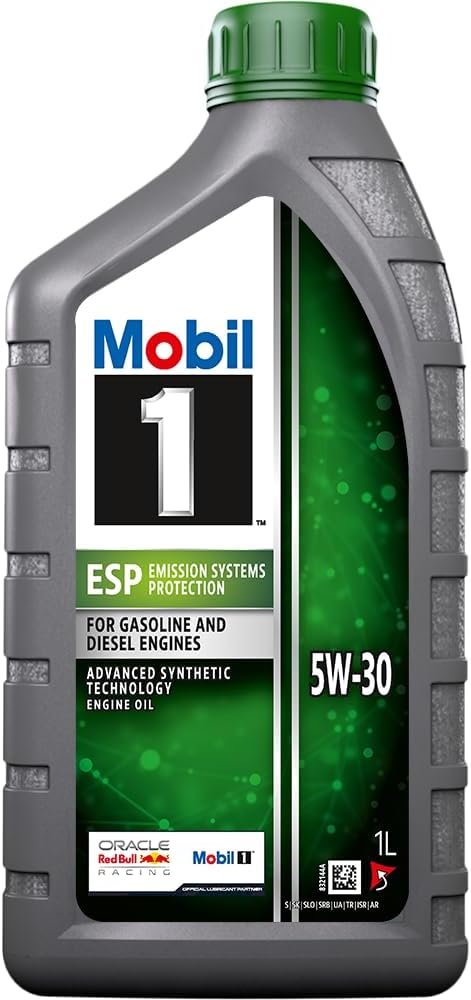
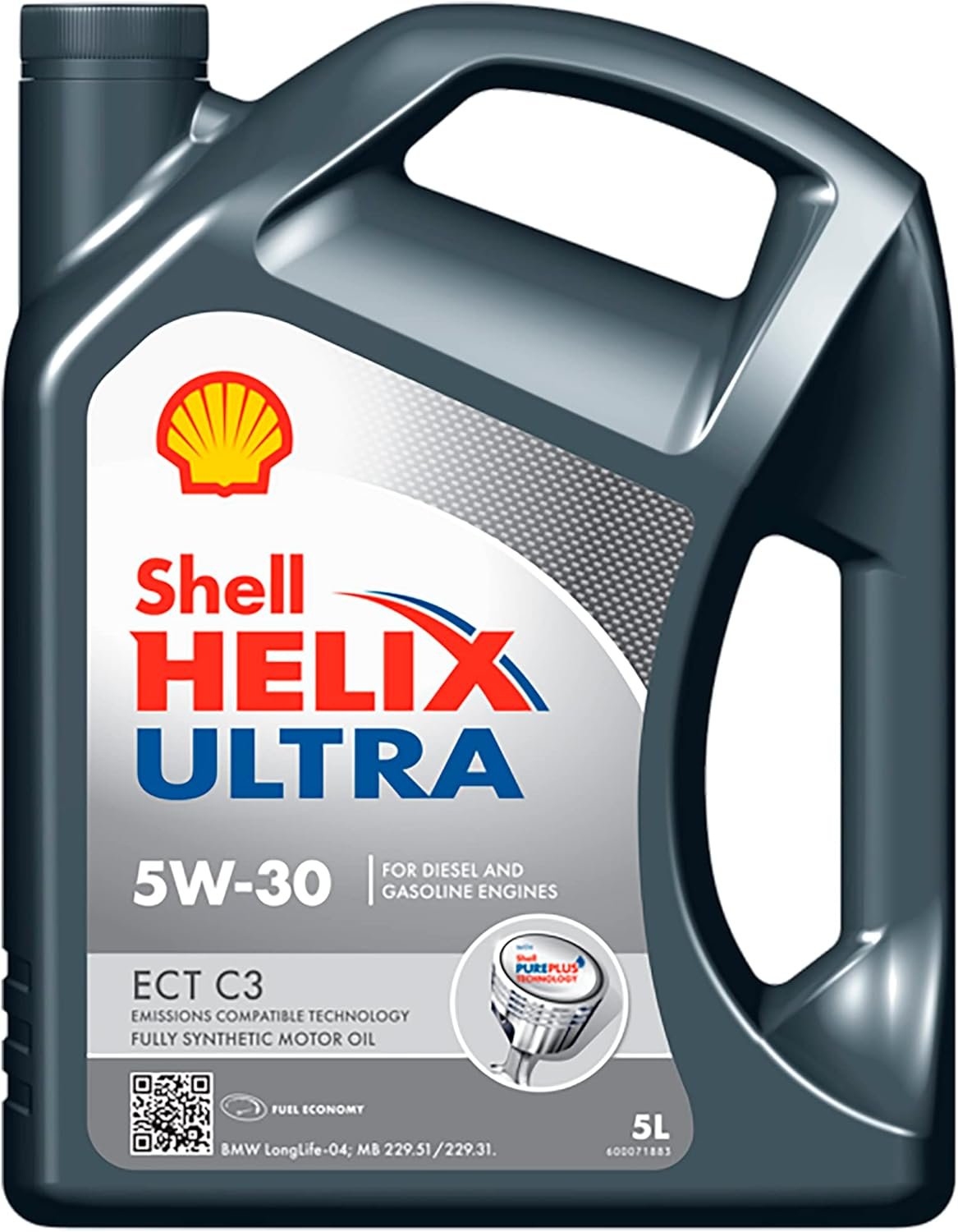
Castrol EDGE Professional LL III 5W-30 is the factory partner’s choice. Mobil 1 ESP Formula, Shell Helix Ultra ECT C3, and Total Quartz INEO LongLife are all VW 507 00-certified alternatives. Shorten change intervals beyond VW’s standard recommendation, monitor the dipstick for fuel dilution, and plan occasional motorway runs to support DPF regeneration. The Caddy 2.0 TDI is a capable commercial tool that repays attentive oil management with dependable, economical service.
Our Top Picks
As an Amazon Associate, we may earn from qualifying purchases. This doesn't affect our recommendations — we only suggest oils that hold the exact OEM approval for your engine.