 Oil-
Oil-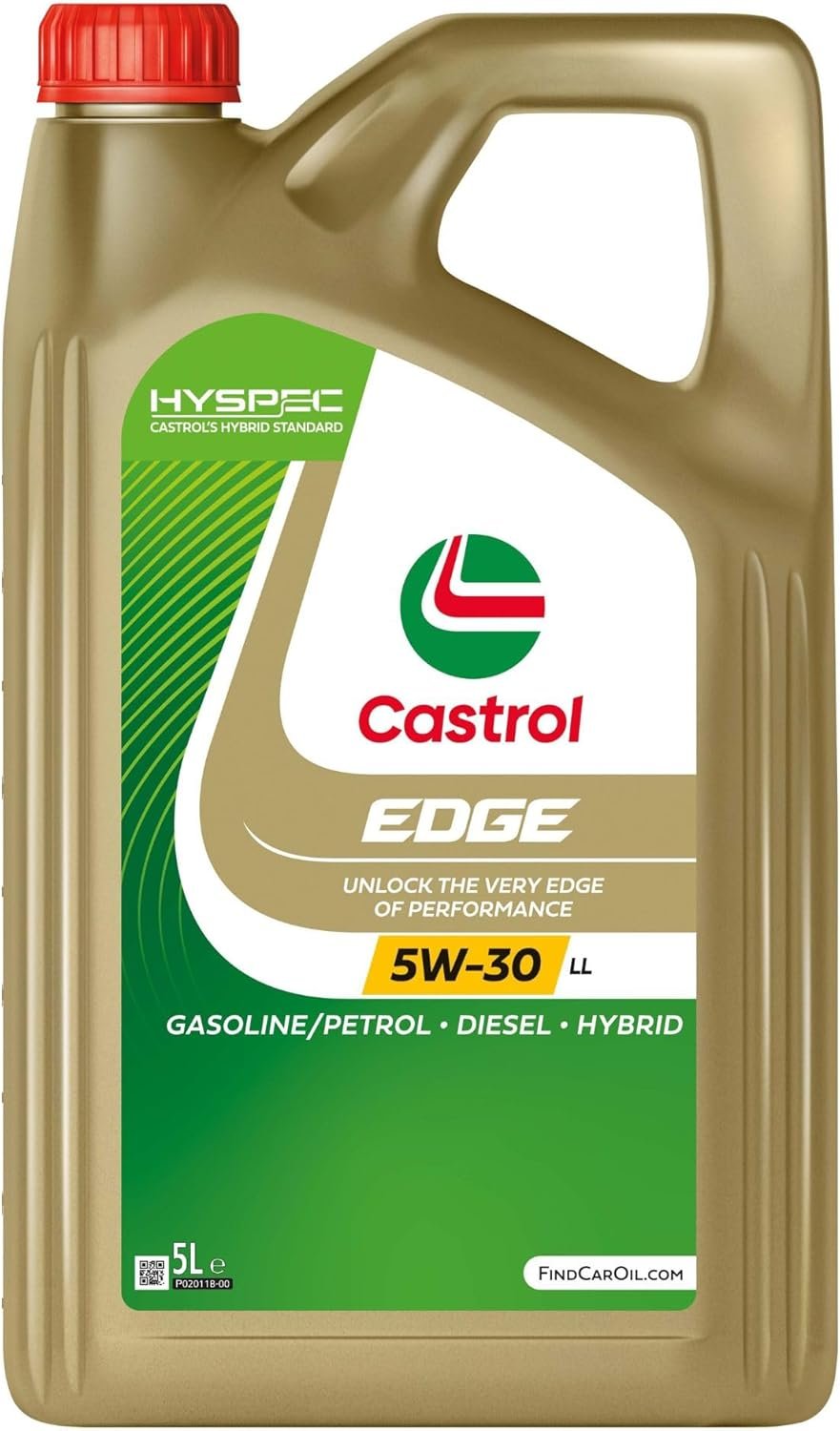
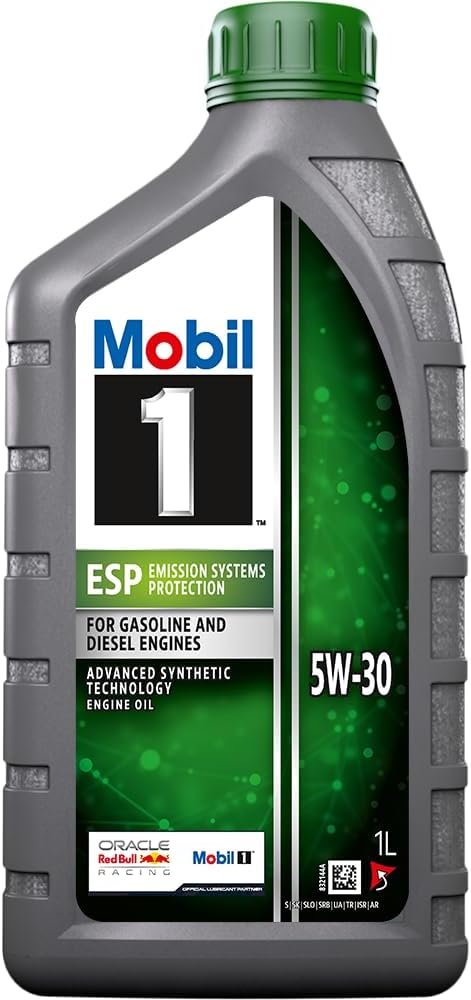
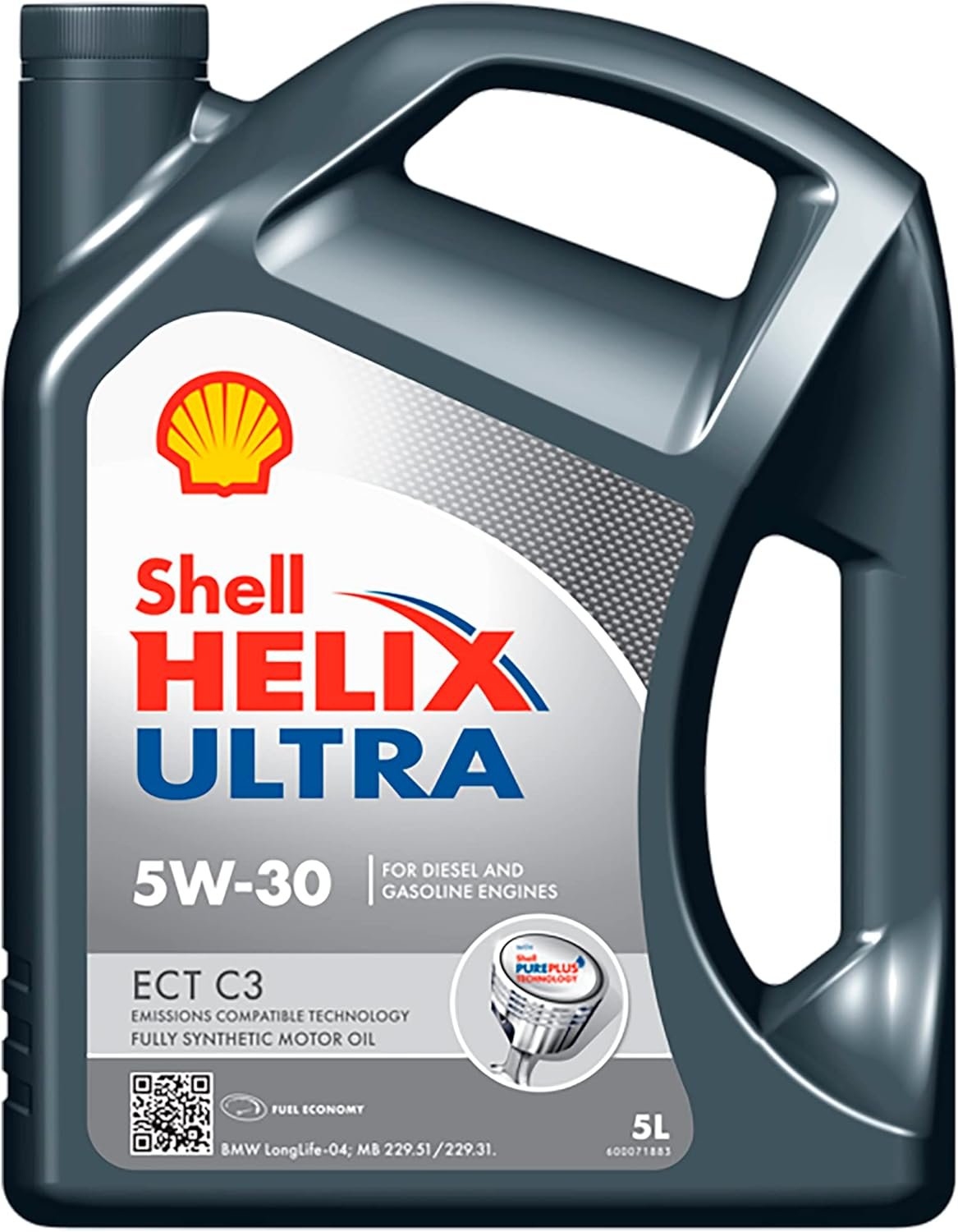
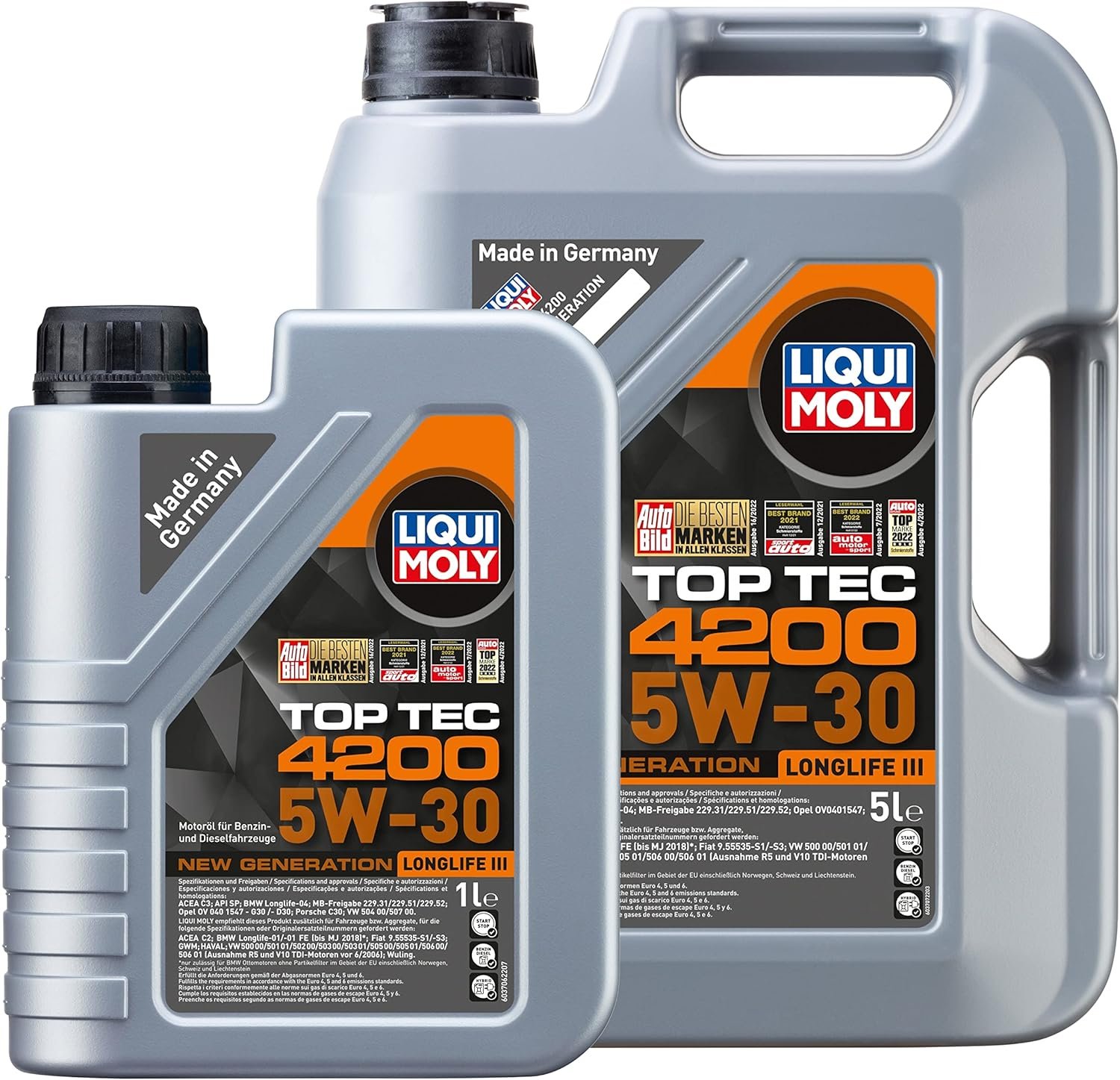
As an Amazon Associate, we may earn from qualifying purchases. This doesn't affect our recommendations — we only suggest oils that hold the exact OEM approval for your engine.
Best Engine Oil for Audi Q5 FY 2.0 TDI (163/204 HP)
The Audi Q5 is a premium mid-size SUV that has dominated its segment in the UK since launch. The FY generation (2017 onwards) uses the EA288 2.0 TDI in longitudinal configuration with quattro all-wheel drive as standard on most variants. Available as the 163 HP (40 TDI, DETA) and 204 HP (50 TDI, DTUA), the Q5 represents the heaviest and most demanding application of the 2.0 TDI in the Audi range, with a kerb weight approaching 1,850 kg and a towing capacity of up to 2,400 kg. These figures push the EA288 harder than in any A4 or A6, making oil specification and change intervals proportionally more critical.
Quick Answer: Recommended Oil
For Audi Q5 FY 2.0 TDI (163/204 HP):
- Recommended viscosity: SAE 5W-30 (alternative: 0W-30)
- Oil capacity: 5.0 litres with filter (4.7 L without)
- Required norms: ACEA C3, VW 507 00
The EA288 Under SUV Demands
The Q5’s kerb weight of 1,800-1,850 kg is approximately 350 kg heavier than the A4 B9 that shares the same longitudinal EA288 platform. With quattro AWD adding mechanical friction from the Haldex-type centre coupling and rear differential, the engine must produce more sustained torque to maintain any given speed.
The 163 HP variant (DETA) produces 340 Nm from 1,500-3,250 RPM — adequate for an unladen Q5 but noticeably strained when towing or fully loaded with passengers and luggage. The 204 HP variant (DTUA) delivers 400 Nm with a revised turbo calibration and higher injection pressures, providing significantly more comfortable performance under load.
Both variants share the longitudinal mounting, rear-positioned turbocharger, and 5.0-litre oil capacity of the A4 B9 TDI. The oil system is identical — the same volume of lubricant manages considerably more thermal and mechanical stress in the heavier Q5.
Towing and Oil Stress
The Q5’s 2,400 kg towing capacity makes it a popular choice for caravan and trailer work. Towing creates sustained high-load conditions that are qualitatively different from normal driving — the engine operates at 60-80% load continuously rather than the 20-40% typical of unladen motorway cruising.
Under towing conditions, oil temperatures can reach 130-140°C in the sump and significantly higher in the turbocharger bearing housing. VW 507 00 oils are validated at these temperatures, but thermal degradation is proportional to temperature and time. A Q5 that tows regularly will degrade its oil approximately twice as fast as one that never tows.
For regular towers: Reduce oil change intervals to 8,000 miles or shorten by 2,000 miles from your normal schedule. Check the oil level before and after every towing trip — oil consumption increases under sustained high load.
Oil Pump Shaft: The EA288 Risk
The EA288 family has a documented oil pump drive shaft wear concern that applies to the Q5. The shaft connects the crankshaft to the oil pump, and wear at the connection point can cause sudden oil pressure loss. In the Q5’s heavier application, the oil pump works harder to maintain pressure through the quattro system’s additional oil-cooler circuits, potentially accelerating wear.
Preventive inspection at 50,000-60,000 miles is recommended by independent Audi specialists. The cost (£400-800) is trivial compared to the £6,000-10,000 for engine and turbo replacement after a failure.
Technical Specifications: 2.0 TDI EA288 (Longitudinal)
| Specification | Value |
|---|---|
| Displacement | 1,968cc (2.0 litres) |
| Layout | Inline-4, longitudinal, iron block, aluminium head |
| Valvetrain | DOHC, 16 valves, timing belt |
| Turbocharger | Variable-geometry (VNT) |
| Injection | Common-rail, up to 2,000 bar |
| Power | 163 HP (DETA) / 204 HP (DTUA) |
| Torque | 340 Nm / 400 Nm |
| Drivetrain | quattro AWD (standard) |
| Recommended Viscosity | SAE 5W-30 |
| Oil Capacity (with filter) | 5.0 litres |
| VW Norm | VW 507 00 |
Best Value: Total Quartz INEO LongLife 5W-30 — Reliable VW 507 00 protection at competitive pricing. £32-38/5L.
Oil Change Intervals
Audi Official: LongLife up to 18,600 miles / 24 months; Fixed 9,300 miles / 12 months.
Recommended: 9,000-10,000 miles or 12 months. Reduce to 7,000-8,000 miles if towing regularly, covering predominantly urban miles, or the vehicle has passed 80,000 miles.
Conclusion
The Audi Q5 FY 2.0 TDI requires SAE 5W-30 meeting VW 507 00, with 5.0 litres capacity. As the heaviest EA288 application in the Audi range, plus quattro drivetrain friction and potential towing duties, the Q5 demands strict oil specification compliance and shortened intervals under heavy use. Investigate the oil pump shaft at 50,000 miles and the Q5 will deliver refined, capable performance for years.
Our Top Picks
As an Amazon Associate, we may earn from qualifying purchases. This doesn't affect our recommendations — we only suggest oils that hold the exact OEM approval for your engine.